Examination Prayer: Quick Steps to Stay Calm Before Tests
Examinations can be a source of stress, anxiety, and a sense of pressure to perform. For many students and professionals, an examination prayer or brief ritual provides a way to invite calm, focus, and a sense of purpose before sitting down to answer questions. This article offers a thorough guide to using examination prayer, test-day rituals, and practical mindfulness techniques to stay calm and present. Whether you call it a prayer before exams, an examination ritual, or a short moment of quiet, the goal remains the same: to cultivate a clear mind, steady nerves, and confident performance.
What is examination prayer and why it matters
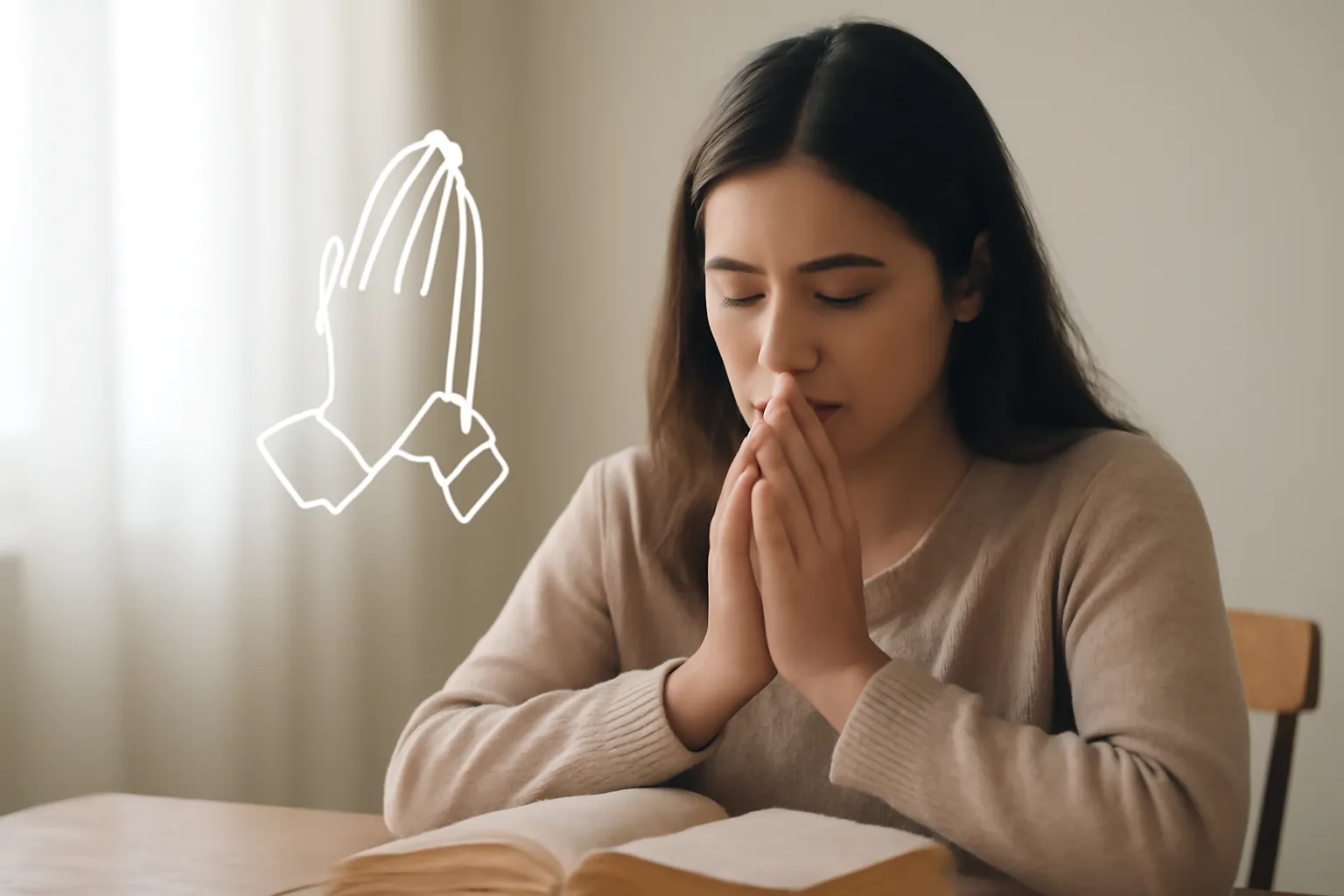
Examination prayer, in its broadest sense, refers to a short moment of intention, reflection, or blessing that centers the mind before a test or assessment. It can be religious, devotional, spiritual, or secular and inclusive of any belief system. The essential elements are intentional breathing, a brief pause, and a statement or sentiment that aligns your actions with your goal—doing your best, understanding the material, and staying present with the task at hand. Studies from cognitive science suggest that structured routines before a performance task can help regulate the autonomic nervous system, reduce physiological arousal, and support working memory and attention during the test. While a formal prayer is not a substitute for preparation, it can function as a ritual that primes the mind for success.
In this guide, we will explore variations of the examination prayer and related practices—ranging from traditional prayers to secular mindfulness—to support a tranquil, focused mind. We’ll also provide practical steps you can apply in minutes, both before you leave your study space and right before you begin your exam. The aim is to create a quick, repeatable routine that helps you navigate the moment with intention, resilience, and composure.
Principles behind a calm and effective test experience
Calmness before a test is not a sign of weakness; it is a strategic stance that helps you deploy your knowledge more efficiently. Here are core principles that underpin calm preparation and clear thinking during an examination:
Breath control reduces physical symptoms of stress and stabilizes heart rate.
Mindful awareness helps you notice rising thoughts without getting swept away by them.
Positive self-talk replaces fear-based narratives with constructive, confidence-building language.
Clarity of intention aligns actions with your goals (e.g., read directions carefully, manage time, review answers).
Focus on process, not perfection—you can be thorough and accurate even if you encounter tricky questions.
Ritual consistency creates a reliable routine you can lean on in times of stress.
These principles can be embedded in a series of examination prayer practices, but you can adapt them to your personal beliefs and preferences. The best approach is one that feels authentic and sustainable for you, whether that means a traditional prayer, a secular breath-centered routine, or a brief moment of gratitude and intention.
Quick steps to stay calm before tests
Below is a practical, seven-step framework you can apply in the minutes leading up to an exam. Each step includes an optional short ritual, a brief explanation, and ideas for examination prayers or affirmations you can adapt. The steps are designed to be flexible: you can perform all seven in one compact routine or pick the ones that fit your time and setting.
Ground yourself in the present moment. A simple, reliable method is box breathing or the 4-4-4-4 pattern. Inhale for four counts, hold for four, exhale for four, hold for four. Repeat for a minute or two. This helps regulate the autonomic nervous system, reduces tension in your shoulders and jaw, and creates a stable baseline from which you can think clearly.
In an examination prayer or short ritual, you might say, “I pause. I breathe. I am here to do my best.” If you prefer a non-religious wording, try: “May my mind be calm, my body steady, and my focus true.”
Step 2: Mindful awareness and acceptance
Notice any anxiety signals without judging them. The goal is not to eradicate nerves completely but to observe them with curiosity and move past them. A quick practice is to scan your body for areas of tension, starting at the crown of the head and moving down to the toes. As you encounter tension, imagine releasing it with each exhale.
In an examination prayer, you could include a line like: “I release fear and invite clarity. I accept that I have prepared to the best of my ability, and I will respond with calm and care.”
Step 3: Positive self-talk and visualization
Replace negative narratives with constructive thoughts. Examples include: “I am prepared. I will read each question carefully. I will allocate my time wisely.” Visualize yourself navigating the exam smoothly—reading each item, choosing the best answer, and finishing confidently. Visualization engages the same cognitive pathways used during actual performance and can bolster confidence.
In an examination prayer sublimation, you might declare: “I visualize success as I approach each question; I trust my preparation and my mind’s ability to reason clearly.”
Step 4: Short prayer or intention (personalized)
If you practice examination prayer, this is a moment to articulate a concise intention. You can recite a traditional line, use a non-denominational sentiment, or recite a personal intention. Examples:
Traditional approach: “Guide my mind, steady my hands, grant me focus, and protect me from fear.”
Non-denominational: “May I think clearly, may I stay calm, may I act with integrity and effort.”
Gratitude-centered: “I am grateful for the opportunity to demonstrate what I have learned; may I use this knowledge wisely.”
Whichever form you choose, anchor it in a few words you can repeat quietly before and during the exam as needed.
Before you step into the testing hall or begin an online assessment, verify the practical details that can influence performance: your seating, lighting, water bottle, calculator, permitted materials, and time management plan. A quick checklist reduces last-minute stress and ensures you can focus on the work rather than logistics.
In your examination prayer practice, you might frame this as a reminder: “I am ready in this moment; I have prepared; I will use the time wisely; I will stay on task and avoid distractions.”
Step 6: Time management and task prioritization
Once the test begins, take a minute to skim the instructions and plan your approach. Decide how you will allocate time to each section, and identify questions you can answer confidently first to build momentum. A brief ritual can reinforce this plan: a quiet exhale, a nod to yourself, and a reminder that speed will not compromise accuracy.
An examination prayer might include: “I proceed with care, not haste; I trust my training and I use my time wisely.”
Step 7: Post-exam ritual and release
After submitting the exam, take a moment to acknowledge your efforts, regardless of the outcome. A short ritual of release can help your nervous system recover and transition to the next task. This could include a quick stretch, a sigh of relief, or a brief reflection on what went well and what you might adjust next time.
In the language of examination prayer or mindful practice, you could say: “Thank you for the opportunity to learn; may I carry forward what I have learned and release what did not serve me.”
Sample texts and scripts for examination prayer practices
Below are a few examples of short scripts you can adapt. Each script can be spoken softly, whispered, or used as personal affirmations. The goal is to have a ready-to-use line that resonates with your beliefs and preferences. Feel free to mix and match phrases from different variations to create your own test-day prayer or secular ritual.
Traditional examination prayer: “Grant me a calm mind and steady hand, O Source of understanding. Help me recall what I have learned, read each question with care, and answer with honesty and precision.”
Short non-denominational intention: “May my mind be clear, my heart steady, and my answers true.”
Mindfulness-focused affirmation: “I inhale calm, I exhale worry. I focus on the task, I do my best, and I move forward.”
Gratitude-centered: “I am grateful for preparation and opportunity. I will use this moment to show what I know and grow from the experience.”
These texts are just starting points. The power of examination prayer or any pre-exam ritual lies in consistency and personal resonance. If you have a particular tradition or belief system, you can tailor the language to reflect that tradition while maintaining the core elements: intent, breath, presence, and purpose.
Integrating examination prayer with daily study habits
To get the most benefit from examination prayer or similar practices, integrate them into a broader routine that supports learning and performance. A few practical ideas:
Evening review sessions paired with a brief reflection on what you learned and what remains unclear.
Sleep hygiene practices that promote restorative rest, which in turn supports memory consolidation and cognitive flexibility.
Regular, short mindfulness moments during study breaks to refresh attention and reduce cumulative stress.
Healthy routines around meals, hydration, and caffeine, which can influence energy levels and concentration.
Practice tests to build familiarity with exam formats and reduce novelty effects on test day.
When you pair examination prayer with these habits, you create a reliable preparation framework that can be activated quickly whenever you face a test. The idea is not to replace study with ritual but to harmonize inner calm with outer action for a more effective performance.
Variations of examination prayer, and the secular options
People approach examination prayer from many angles. Some traditions emphasize gratitude, others highlight supplication, and many prefer secular mindfulness or cognitive strategies. Here are several broad avenues you can explore:
Religious or faith-based prayers that align with your tradition, including lines requesting wisdom, focus, and serenity.
Humanistic or secular prayers that center on intention, gratitude, and clear thinking without religious content.
Mindfulness-based rituals that rely on breath, body scan, and present-moment awareness rather than words.
Affirmation rituals that emphasize self-efficacy and mastery of the material.
In practice, you can blend these approaches. For example, you might begin with a short prayer or affirmation, followed by a minute of box breathing, and finish with a moment of gratitude for the opportunity to demonstrate your abilities. This hybrid approach respects diverse beliefs while offering a practical set of tools to manage pre-exam nerves.
Common mistakes to avoid
Even well-intentioned examination prayer practices can fall into pitfalls that counteract their benefits. Here are common mistakes and how to avoid them:
Overcomplication—A ritual that is too long or complex can add stress instead of reducing it. Aim for simplicity and repeatability.
Rigid expectations—Believing that you must feel perfectly calm can create pressure. Accept fluctuations in mood and focus as normal.
Distraction from preparation—Spending excessive time on ritual at the expense of study is counterproductive. Use ritual as a brief tool, not a replacement for work.
Neglecting sleep and basics—Rituals are less effective if you are hungry, dehydrated, or sleep-deprived. Prioritize health as part of your preparation.
Inauthentic language—Use words that fit your beliefs and feelings. Forced language reduces meaning and impact.
Ready to start implementing an examination prayer routine or a pre-exam ritual? Use this quick checklist to establish a practical routine you can rely on before any test.
Choose your approach (religious, secular, or hybrid). Select language or rituals that feel authentic.
Set a time frame (2–5 minutes) for the pre-exam ritual. Practice the steps in advance to build familiarity.
Prepare the essentials—water, a quiet space, a comfortable chair, and any permitted materials.
Practice breathing (box breathing or 4-7-8) to establish a calm baseline.
Create a simple intention—one or two sentences that guide your performance.
Incorporate a short prayer or affirmation as a closing cue before you begin.
Review your plan for time management and question approach after the ritual ends.
Conclusion: building a resilient exam mindset
In the end, an examination prayer or brief ritual is a resource—one of many tools you can use to cultivate a calm mind, a steady focus, and a confident approach to testing. When combined with solid study, effective sleep, and good exam strategies, these practices can help you perform at your best. Remember that the goal is not to eliminate challenge but to create a poised, present, and capable state of mind that allows you to access your knowledge when it matters most.
Variations of the examination prayer, test-day ritual, and pre-exam reflection demonstrate that a wide range of beliefs and preferences can converge on a single objective: to approach exams with intention, composure, and integrity. By integrating breathing, awareness, intention, and personalization, you can develop a quick, reliable routine that supports your learning journey and helps you navigate tests with greater ease and effectiveness.
Ultimately, the practice is about empowerment: you choose a moment of stillness before momentum, a pause that helps you bring your best self to the task. Whether you call it an examination prayer, a pre-exam ritual, or a mindful breath sequence, the aim is the same: to step into the examination with clarity, confidence, and calm.









Publicar comentario