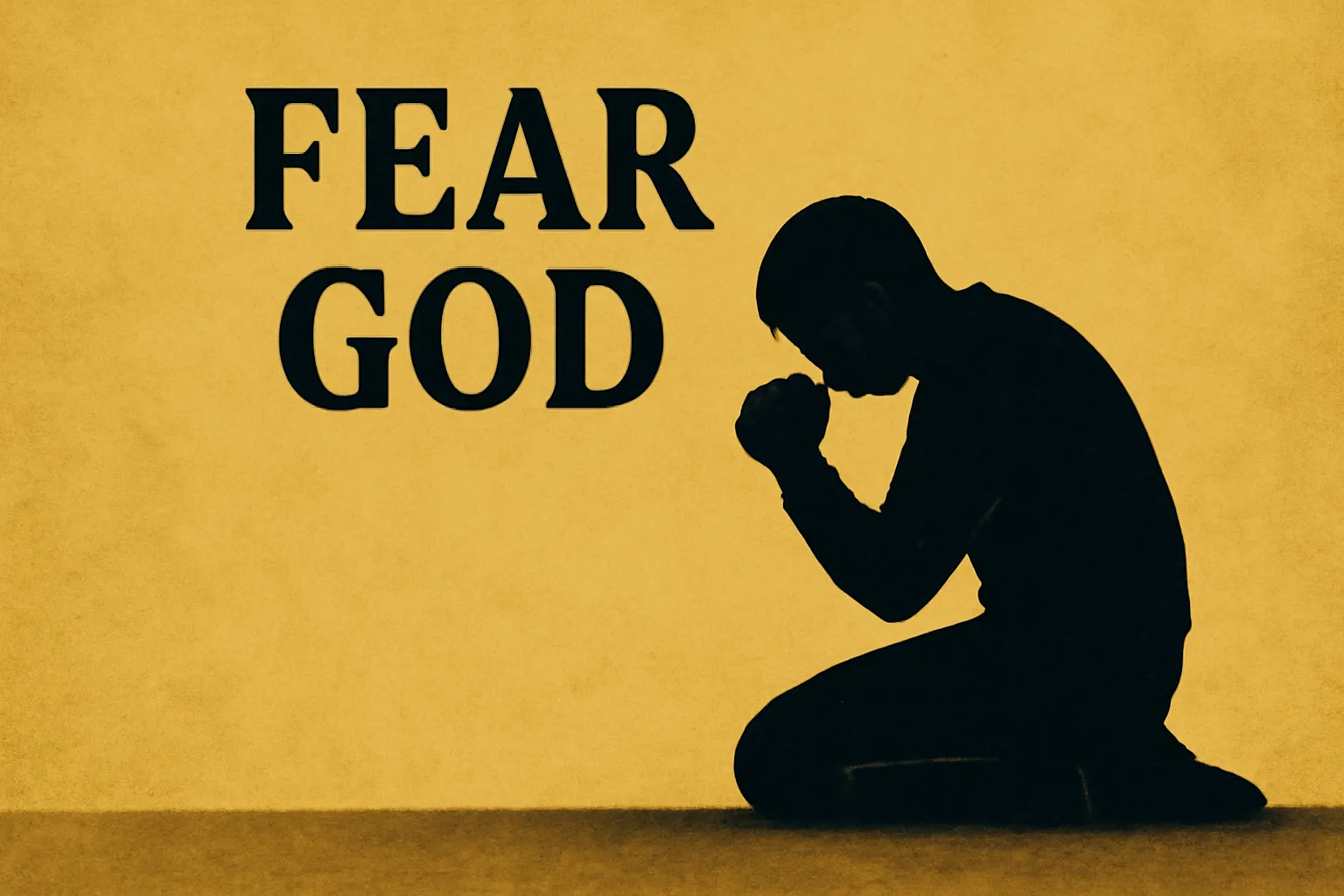
The phrase “fear God” or “the fear of the Lord” appears repeatedly in the Bible as a foundational posture for life. It is not merely a call to terror, but a rich, multidimensional concept that blends awe, reverence, obedience, trust, and love. Across centuries of teaching, writing, and worship, biblical fear has been described as the starting point of wisdom, the steady anchor in times of trouble, and a compass for ethical decision‑making. In this article, we explore Fear God Quotes Bible in a way that is both accessible and scholarly, offering inspiring Bible verses on reverence and faith along with practical reflections for daily living. Whether you are seeking comforting reminders, sermon topics, or a way to refresh your devotional life, the familiar cadence of these verses can renew your sense of purpose and align your heart with God’s purposes.
Key Bible Verses About the Fear of the Lord
When we speak of the fear of the Lord, we refer to a posture toward God that integrates humility, worship, and allegiance. The Bible presents a spectrum of verses that illuminate its depth. The following quotes are representative of the most cited and influential passages, each offering a different angle on what it means to fear God and why it matters.
Foundational Verses
Proverbs 1:7 — «The fear of the LORD is the beginning of knowledge: but fools despise wisdom and instruction.» This verse establishes a premise: true knowledge and wise living begin with proper reverence for God.
Proverbs 9:10 — «The fear of the LORD is the beginning of wisdom: and the knowledge of the holy is understanding.» Here wisdom and sacred knowledge flow from honoring God as holy.
Psalm 111:10 — «The fear of the LORD is the beginning of wisdom: a good understanding have all they that do his commandments: his praise endureth for ever.» A pairing of reverence, obedience, and enduring praise.
Job 28:28 — «And unto man he said, Behold, the fear of the LORD, that is wisdom; and to depart from evil is understanding.» A timeless reminder that wisdom grows where God is honored and evil is shunned.
Wisdom, Knowledge, and Moral Insight
Proverbs 8:13 — «The fear of the LORD is to hate evil: pride and arrogance, and the evil way, and the froward mouth, do I hate.» Fear of God motivates moral clarity and ethical alignment.
Psalm 19:9 — «The fear of the LORD is clean, enduring for ever: the judgments of the LORD are true and righteous altogether.» A statement about character and justice rooted in reverence.
Psalm 34:9 — «O fear the LORD, ye his saints: for there is no want to them that fear him.» Confidence in God’s provision grows from trust that follows reverence.
Concluding Truths and Covenant Protection
Psalm 25:14 — «The secret of the LORD is with them that fear him; and he will shew them his covenant.» Fear of the Lord fosters intimate relationship and divine disclosure.
Psalm 128:1 — «Blessed is every one that feareth the LORD; that walketh in his ways.» A blessing that broadens from personal conduct to communal flourishing.
Isaiah 33:6 — «And wisdom and knowledge shall be the stability of thy times, and strength of salvation, the fear of the LORD is his treasure.» Reverence as a source of steadiness in life’s storms.
Ecclesiastes 12:13 — «Let us hear the conclusion of the whole matter: Fear God, and keep his commandments: for this is the whole duty of man.» A succinct summary of purpose and obedience.
Deuteronomy 10:12–13 — «And now, Israel, what doth the LORD thy God require of thee, but to fear the LORD thy God, to walk in all his ways, and to love him, and to serve the LORD thy God with all thy heart and with all thy soul, To keep the commandments of the LORD, and his statutes, which I command thee this day for thy good?» A covenant call to allegiance and loyalty.
Psalm 111:10 (reiterated) — «The fear of the LORD is the beginning of wisdom: a good understanding have all they that do his commandments: his praise endureth for ever.» The pathway to lasting wisdom includes obedience and worship.
The New Testament Perspective: Fear God in the Christian Era
Many readers assume that the New Testament moves away from the language of fear, but the concept remains central in a transformed way. The gospel invites a fear that is rooted in trust, love, and reverence before a holy God who has shown mercy in Jesus Christ. In the New Testament, the call to fear God often aligns with a call to worship, repentance, and faithful living under the lordship of Christ.
Acts 9:31 — «Then had the churches rest throughout Judaea, and Galilee, and Samaria, and were edified: and walking in the fear of the Lord, and in the comfort of the Holy Ghost, were multiplied.» The early church’s growth was linked to a shared reverence for God and reliance on the Spirit.
Luke 12:5 — «But I will forewarn you whom ye shall fear: Fear him, which after he hath killed hath power to cast into hell; yea, I say unto you, Fear him.» Jesus distinguishes a proper fear that guards eternal and moral priorities.
Revelation 14:7 — «Saying with a loud voice, Fear God, and give glory to him; for the hour of his judgment is come: and worship him that made heaven, and earth, and the sea, and the fountains of waters.» A call to reverent awe before the creator in eschatological hope.
How to Interpret “Fear of the Lord” in Biblical Context
Understanding the fear of the Lord requires recognizing its breadth. In biblical terms, fear is an attitude and a posture toward a rightly understood God. It is not primarily about being afraid of punishment; rather, it is about recognizing God’s holiness, power, and goodness, which naturally produces humility, trust, and obedience. The Bible often links fear with wisdom, instruction, and covenant faithfulness. Here are some guiding theological insights to help you interpret these quotes in daily life:
Awe and worship: The fear of the Lord begins with reverent worship—standing in awe of God’s majesty and love.
obedience as love in action: Fear of the Lord is shown as obedience to God’s commandments, not as legalistic constraint but as a loving response to grace.
trust in divine provision: When we fear God, we trust that he provides, protects, and guides us through life’s uncertainties.
moral clarity: The fear of the Lord helps distinguish light from darkness, good from evil, and truth from distortion.
eternal perspective: This fear keeps eternity in view, shaping decisions that honor God beyond momentary gain.
Fear God Quotes Bible in Daily Life: Practical Reflections
Bringing the biblical idea of reverence into daily routines helps believers translate ancient wisdom into modern conduct. Here are practical applications drawn from the themes of fear, reverence, and faith. This section blends well with studio discussions, family devotions, and personal journaling.
Daily reverence: Start each day with a brief moment of awe—acknowledging God’s greatness before planning your tasks. This simple habit can recalibrate priorities and reduce hurried, self-centered choices.
ethical decision‑making: When faced with a moral dilemma, ask, «What would reflect reverence for God in this situation?» This question anchors choices in the fear of the Lord rather than in expediency or popularity.
humble learning: Accept correction and wisdom from mentors, friends, and Scripture as a manifestation of the fear of the Lord at work—desiring growth rather than defensiveness.
family leadership: In families, teach children that reverence for God informs respect for parents, kindness toward others, and integrity in school and work.
community service: Let fear of the Lord lead to generosity, advocacy for the vulnerable, and integrity in service, not merely personal benefit or image management.
Variations of the Phrase Across Translations: A Semantic Bridge
Across biblical translations, the core idea remains, but the language varies. You can encounter fear the Lord, fear God, the fear of the Lord, and even tremble before God in some paraphrases. Each variation carries nuances that illuminate different facets of reverence:
Fear the Lord: Emphasizes a response of awe and obedience as a protective stance against folly and sin.
Fear God: A direct address to God, often used in prophetic or exhortational contexts to call to allegiance and obedience.
The fear of the Lord: A noun phrase that frames reverence as a fundamental orientation to reality and moral life.
Tremble before God: A more intense expression of awe and recognition of God’s holiness in the face of his majesty.
In practice, readers should consider how each translation shapes emphasis. For example, the King James Version (KJV) frequently uses the formal phrase “the fear of the LORD”, which underscores reverence as a royal attitude toward a sovereign God. Modern translations might emphasize relational language—such as “fear the Lord” or “fear God”—to foreground the personal relationship that believers enjoy with their Creator through Jesus Christ. Regardless of wording, the essential message remains a call to anchoring life in reverence, obedience, and trust.
Thematic Highlights: How Fear God Quotes Bible Shapes Theological Imagination
Throughout the corpus of biblical literature, the theme of fearing God reverberates in counsel, poetry, prophecy, and church history. Here are some thematic highlights that show how these verses function in the broader theological imagination:
Foundation of wisdom: Repeatedly, fear of the Lord is described as the bedrock for wisdom, knowledge, and understanding. This is as much about character as it is about intellect.
Character formation: The fear of the Lord shapes habits, ethics, and ambitions, aligning a person’s life with God’s holy standards.
Relationship with God: Far from being distant, the fear of the Lord invites intimate trust and a covenant‑relationship rooted in grace.
Hope and mercy: Even while invoking reverence, the Bible pairs fear with the mercy and faithfulness of God, inviting sinners to repentance and renewal.
Pastors, teachers, and families often encourage memorization of key fear God quotes Bible to anchor daily living. Here are selected verses that are especially memorable and conducive to meditative reflection. Consider keeping a small index card or a journal entry for each.
Proverbs 1:7 — «The fear of the LORD is the beginning of knowledge: but fools despise wisdom and instruction.» A reminder that humility in front of God opens the path to learning.
Psalm 25:14 — «The secret of the LORD is with them that fear him; and he will shew them his covenant.» A personal, intimate aspect of divine companionship.
Psalm 34:9 — «O fear the LORD, ye his saints: for there is no want to them that fear him.» A promise of provision grounded in reverence.
Ecclesiastes 12:13 — «Let us hear the conclusion of the whole matter: fear God, and keep his commandments: for this is the whole duty of man.» A summative invitation to faithful living.
Revelation 14:7 — «Fear God, and give glory to him; for the hour of his judgment is come.» A call to reverence in the context of ultimate accountability.
In worship settings and personal study, these verses can be a lifeline for reflection, confession, and transformation. Here are practical practices to integrate the fear God quotes into spiritual disciplines:
Devotional readings: Allocate a fixed time to read a set of fear‑themed verses, then journal your observations, questions, and prayers.
Guided meditations: Meditate on one verse at a time, focusing on the attributes of God revealed in the passage (holiness, justice, mercy, sovereignty) and how they should shape your actions.
Family devotions: Use short passages to discuss obedience, kindness, and decision‑making within the family, emphasizing reverence for God as a shared value.
Sermon and teaching prep: When outlining a message on reverence, deploy a few select verses to illustrate the breadth of the theme—from wisdom and knowledge to justice and blessing.
Note‑taking in study Bibles: Mark phrases like “fear of the Lord” and “the fear of the Lord is the beginning of wisdom” to trace themes across books and authors.
Readers often ask how to interpret and apply these verses in contemporary life. Here are some frequently asked questions with concise answers that reflect a balanced biblical understanding.
Is fear of God about punishment only? No. While consequences are real, the biblical concept primarily describes a posture of awe, respect, and trust that leads to a life aligned with God’s will.
How does fear relate to love? True fearing of God coexists with love for him (1 John 4:18 speaks of love driving out fear). Reverence and love reinforce one another in a healthy, growing faith.
Can fear of the Lord change over time? Yes. As you grow in understanding of God’s character and grace, your reverence deepens, becoming more rooted in gratitude and obedience than in fear alone.
What does it mean to fear God in a modern, pluralistic world? It means choosing God’s standards as primary, seeking wisdom, and living with integrity, while extending grace to others who may hold different beliefs.
Throughout the biblical record, fear of the Lord is presented not as a sterile duty but as a transformative posture. When a person or a community embodies this reverence, life takes on a different rhythm: decisions are weighed with eternity in view, relationships are tempered by humility, and speech reflects truth and mercy. The fear God quotes Bible are not antiquated slogans but living invitations to a deeper relationship with the Creator who made us, sustains us, and invites us into his good plans. In a world crowded with distractions, the ancient language of reverence can reorient hearts toward what matters most: a faithful, joyful, obedient trust in God.
Conclusion: Embracing Reverence as a Way of Life
To conclude, the theme of fear God quotes Bible offers a compelling invitation: cultivate a life marked by reverence for God, seek wisdom that comes from acknowledging God’s holiness, and live in a way that honors the One who loves us with an enduring faithfulness. By meditating on the verses above, readers can build a repertoire of memories, reflections, and practices that nourish faith, promote moral clarity, and sustain hope in difficult times. The Bible’s call to fear the Lord remains as relevant today as it was in ancient times—an invitation to live under the light of God’s majesty with hearts full of trust, praise, and faithful obedience.







Publicar comentario