Introduction: what makes gospel music a lasting art form
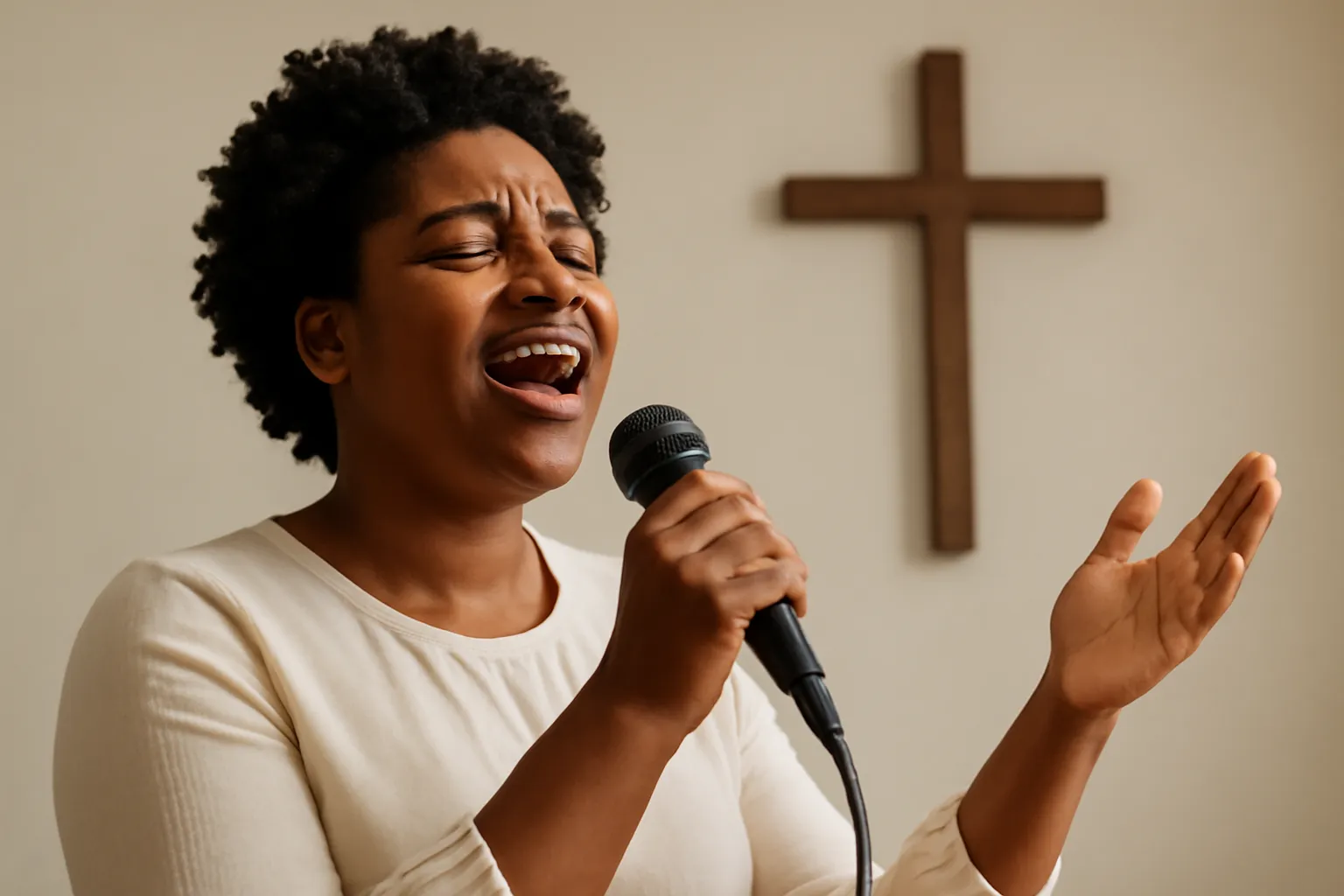
Gospel music is more than a genre; it is a living tradition that blends theology, community, and artistry. From whispered spirituals sung in hush-lit churches to expansive choir arrangements that fill a sanctuary with sound, this musical idiom has continuously evolved while preserving a core mission: to express faith, hope, and resilience. When people talk about the best gospel songs and the most influential gospel artists, they are often tracing a history that spans spirituals, hymnody, quartet singing, and contemporary worship—all while remaining deeply rooted in a shared sense of purpose.
In this article, you will find a broad panorama of the gospel repertoire, methods for listening intelligently, and guidance for exploring both historic milestones and current trends. We’ll cover classic hymns, soul-infused gospel, urban contemporary gospel, and gospel-inflected sounds that reach across genres. Whether you are a longtime listener, a curious newcomer, or a researcher seeking context, this guide aims to illuminate the most impactful songs and the artists who shaped them.
Understanding the gospel music landscape
The term gospel music encompasses a family of styles that emerged from African American churches and communities, but its reach has become global. The core elements—testimony, praise, call-and-response, powerful vocal embrace, and musical improvisation—create a sonic language that communicates reverence as well as emotional release. Across eras, several characteristics recur:
Religious themes and spiritual messages that affirm faith, perseverance, and divine guidance.
Vocal prowess and a willingness to bend notes, slide between registers, and layer harmonies for collective impact.
Rhythmic vitality ranging from steady, gospel-quartet grooves to up-tempo praise lines and lush ballads.
Congregational energy—music designed to invite participation, whether in church aisles or concert halls.
Lyric storytelling that often traces personal journeys from struggle to deliverance, mirroring biblical narratives.
Over the decades, gospel music has given rise to several subgenres and hybrids, each with its own audience, instrumentation, and production style. Some listeners gravitate toward the classic, quartet-driven sound that dominated early to mid-20th-century performances. Others seek the modern, gospel-influenced sound that blends pop, R&B, hip-hop, and contemporary worship. In any case, the heart of the music remains the same: to uplift, comfort, and challenge listeners toward greater faithfulness.
Historical overview: from spirituals to modern gospel
The roots of gospel music lie in African American spirituals and the church hymn tradition. Early spirituals blended African musical sensibilities with European hymnody. As congregations grew and recording technologies emerged, a new sound evolved—one that could be heard in revival meetings, church gatherings, and on radio programs.
Origins and early pioneers
In the late 19th and early 20th centuries, figures such as Thomas A. Dorsey helped systematize the gospel idiom. Dorsey, often called the «Father of Black Gospel Music,» fused bluesy harmonies with devotional lyrics, creating songs that could be sung by choirs and led by soloists. Another foundational figure is Mahalia Jackson, whose radiant vocal power popularized gospel beyond church walls and inspired countless future singers.
The mid-20th century saw the rise of gospel quartets and large-church choirs. Groups such as the Flying Five and, later, the Ward Singers and the Staple Singers brought gospel to popular radio and television audiences. The music began to reflect social experiences and civil rights-era hope, making it a source of resilience for many communities.
From sanctified sound to urban and contemporary gospel
Beginning in the 1960s and accelerating in the 1980s and 1990s, gospel music diversified. Urban contemporary gospel fused gospel with R&B, funk, and pop textures, making the sound accessible to younger listeners without sacrificing spiritual intensity. In parallel, artists explored a broader spectrum—hymns sung with modern arrangements, worship-oriented songs designed for church services, and studio-produced albums intended for mainstream praise.
Best gospel songs: timeless anthems and modern gems
The following lists present a curated cross-section of best gospel songs across eras. The selections emphasize enduring influence, vocal excellence, lyrical depth, and musical innovation. Note that preferences vary by denomination, culture, and personal experience; the goal here is to offer a well-rounded map for listeners who want to explore the repertoire intelligently.
Selected classics: foundational recordings and songs that shaped genres
Amazing Grace — traditional hymn, various renditions — Why it matters: one of the most beloved Christian songs ever written, with countless gospel interpretations that highlight grace as central to the human journey.
Oh Happy Day — Edwin Hawkins Singers — Why it matters: a milestone of crossover appeal that brought gospel harmonies into mainstream pop consciousness in the late 1960s.
Take My Hand, Precious Lord — Thomas A. Dorsey (popularized by Mahalia Jackson) — Why it matters: a profound expression of faith in difficult times, with a melodic arc that invites heartfelt participation.
When the Saints Go Marching In — various traditional/arranged versions — Why it matters: a spiritual standard that framed congregational exhortation and celebratory procession in gospel and jazz contexts alike.
Precious Lord, Take My Hand — Aretha Franklin and Mahalia Jackson versions — Why it matters: a hymn of surrender and trust performed by some of the era’s strongest voices, becoming an anthem of endurance.
Through It All — Andraé Crouch — Why it matters: a testament to steadfast faith in the face of adversity, with a lyric that has circulated in worship settings worldwide.
Total Praise — Richard Smallwood — Why it matters: a modern gospel standard for worship ensembles, known for its expansive arrangement and uplifting message.
Shout/This Little Light of Mine — classic gospel roots sung by several artists — Why it matters: staples of church life that emphasize communal exuberance and the call to shine one’s light in the world.
People Get Ready — The Staple Singers (and other cover versions) — Why it matters: a soulful, quasi-gospel civil-rights anthem that has lived across gospel, soul, and pop libraries.
Oh How I Love Jesus — traditional/gospel arrangements — Why it matters: a devotional standard whose simplicity and sincerity continue to resonate in worship settings.
Contemporary gospel and inspirational anthems
I Smile — Kirk Franklin — Why it matters: a hymn-like affirmation wrapped in upbeat gospel rhythm, commonly heard in churches and youth concerts alike.
He’s Able — various artists (notable versions by gospel choirs) — Why it matters: a jubilee-style proclamation of faith in God’s provision that has fed congregational worship for decades.
A Change Is Gonna Come — (note: inclusion as an influence in gospel-inflected contexts, originally by Sam Cooke) — Why it matters: though not a traditional gospel hymn, its message of hope and longing has found a home in gospel-inflected renditions and cross-genre performances.
I Need You Now (How Many Times) — Smokie Norful — Why it matters: a contemporary gospel ballad that blends intimate vocal devotion with a polished studio sound.
Blessed Assurance — various artists (historic hymn meeting gospel) — Why it matters: a hymn that has endured and adapted within gospel choirs and church settings for spiritual assurance.
The following list highlights gospel artists who left lasting imprints on the tradition. They exemplify how different eras express faith through voice, arrangement, and message.
Thomas A. Dorsey — The Father of Black Gospel Music; composer of many foundational hymns and leader whose songs defined the early gospel idiom.
Mahalia Jackson — A towering vocal presence whose recordings helped crown gospel as an art form with universal appeal.
Aretha Franklin — A gospel-rooted soul singer whose early recordings influenced pop and R&B while maintaining spiritual intensity.
Andraé Crouch — A composer and pastor whose congregational worship shaped modern gospel and youth ministry.
Edwin Hawkins and the Edwin Hawkins Singers — Pioneers of a gospel-soul blend that reached broad audiences.
James Cleveland — A key architect of the urban gospel choir sound and church leadership in the postwar era.
Shirley Caesar — A prolific evangelist and artist whose songs emphasize faith and family in ministry contexts.
Walter Hawkins — A gifted composer and organizer whose collaborations produced enduring worship standards.
Kirk Franklin — A transformative figure in contemporary gospel, merging rap, hip-hop flavor, and traditional praise with studio polish.
Yolanda Adams — A pioneer of contemporary gospel radio presence and a voice synonymous with empowering worship.
Donnie McClurkin — A trusted voice in modern gospel and worship, known for inclusive messages and robust arrangements.
The Clark Sisters — A legendary female quartet whose tight harmonies and spiritual intensity influenced generations.
Bethel Music and Hillsong Worship— Examples of broader Christian worship communities whose gospel-influenced songs often cross into contemporary praise genres.
Why gospel music matters beyond worship spaces
Gospel songs and artists have influenced broader music ecosystems—R&B, soul, jazz, rock, folk, and even modern hip-hop. The social and cultural impact of gospel is visible in several ways:
Community and identity: gospel music has long been a vehicle for shared identity, particularly within Black communities, offering space for storytelling, testimony, and collective memory.
Musical innovation: techniques such as call-and-response, melisma, and extended harmony practices migrated into other genres through gospel channels.
Leadership and ministry: many artists began in church settings, where music serves as a form of ministry, education, and outreach.
Social commentary: gospel songs have addressed civil rights, personal freedom, and resilience in the face of oppression, shaping public discourse and morale.
The most celebrated gospel songs often carry both spiritual depth and universal appeal. They invite not only personal reflection but communal participation, making live performances and choir experiences a shared spiritual event.
How to explore gospel music today
If you are new to this repertoire or seeking to deepen your understanding, here are practical ways to engage with gospel music thoughtfully and joyfully.
Listen across eras—Start with classic recordings from Dorsey, Jackson, and Hawkins, then move to urban gospel stars and contemporary worship leaders to hear how the sound has evolved while retaining its core energy.
Follow thematic playlists—Look for playlists organized around topics like “praise and worship,” “gospel heritage,” “gospel choirs,” and “inspirational ballads.”
Attend live performances—If possible, attend church services, gospel concerts, or choir showcases to experience the communal dimension and vocal prowess firsthand.
Study the arrangements—Pay attention to call-and-response patterns, harmonic progressions, tempo shifts, and dynamic contrasts that give gospel performances their signature drive.
Read about the artists—Biographies and liner notes reveal how faith, community, and musical craft intersect, shaping the choices artists make in repertoire and arrangement.
Explore cross-genre connections—Notice how gospel sensibilities appear in soul, funk, R&B, hip-hop, and even some pop music, often through shared gospel chords, cadences, or lyrical themes.
Listening guide: recommended albums and performances
While many albums could claim iconic status, the following selections have demonstrated durable influence, musical richness, and spiritual resonance. This guide is designed to help new listeners approach a broad spectrum with a sense of progression.
Thomas A. Dorsey: Complete Piano and Vocal Works — foundational songs and gospel hymns that reveal the early architecture of the genre.
Mahalia Jackson: The World’s Greatest Gospel Singer — a powerful showcase of vocal mastery and emotive storytelling.
Edwin Hawkins Singers: Oh Happy Day — a landmark recording that popularized gospel in mainstream culture.
Andraé Crouch: The Speckled Bird / Through It All — both spiritual and gospel-elegant expressions of faith and artistry.
Kirk Franklin: The Nu Nation Project or Love Theory — contemporary gospel that blends hip-hop energy with worship sensibility.
Yolanda Adams: Mountain High…Valley Low — a record that balances intimate devotion with radio-ready appeal.
The Clark Sisters: You Bring Me Joy — a landmark achievement in female-led gospel quartet singing.
Donnie McClurkin: Stand — a celebratory collection of praise and personal testimony.
Thomas Dorsey: If You Please — early collection illustrating urban gospel’s blueprint.
Bethel Music / Hillsong Worship — modern worship sources that share gospel-inflected textures with broader Christian music.
Conclusion: embracing the breadth of gospel music
The story of gospel music is the story of people gathering to sing about faith, hardship, celebration, and hope. It is a tradition that welcomes new voices while cherishing its roots. The best gospel songs and the most influential gospel artists demonstrate the resilience of a community that uses music not only to worship but to teach, comfort, and challenge. As you explore, you will likely discover that gospel music is not a single sound but a living spectrum—an ever-adapting language of praise that speaks truth, invites participation, and invites you to listen deeply.
Whether you are drawn to the crisp harmonies of a classic quartet, the expansive soundscapes of a church choir, or the intimate expressiveness of a solo ballad, the gospel tradition offers a path to encounter the sacred through sound. And as new composers and performers join the lineage, the music continues evolving—ever rooted in community, ever looking toward hope.








Publicar comentario