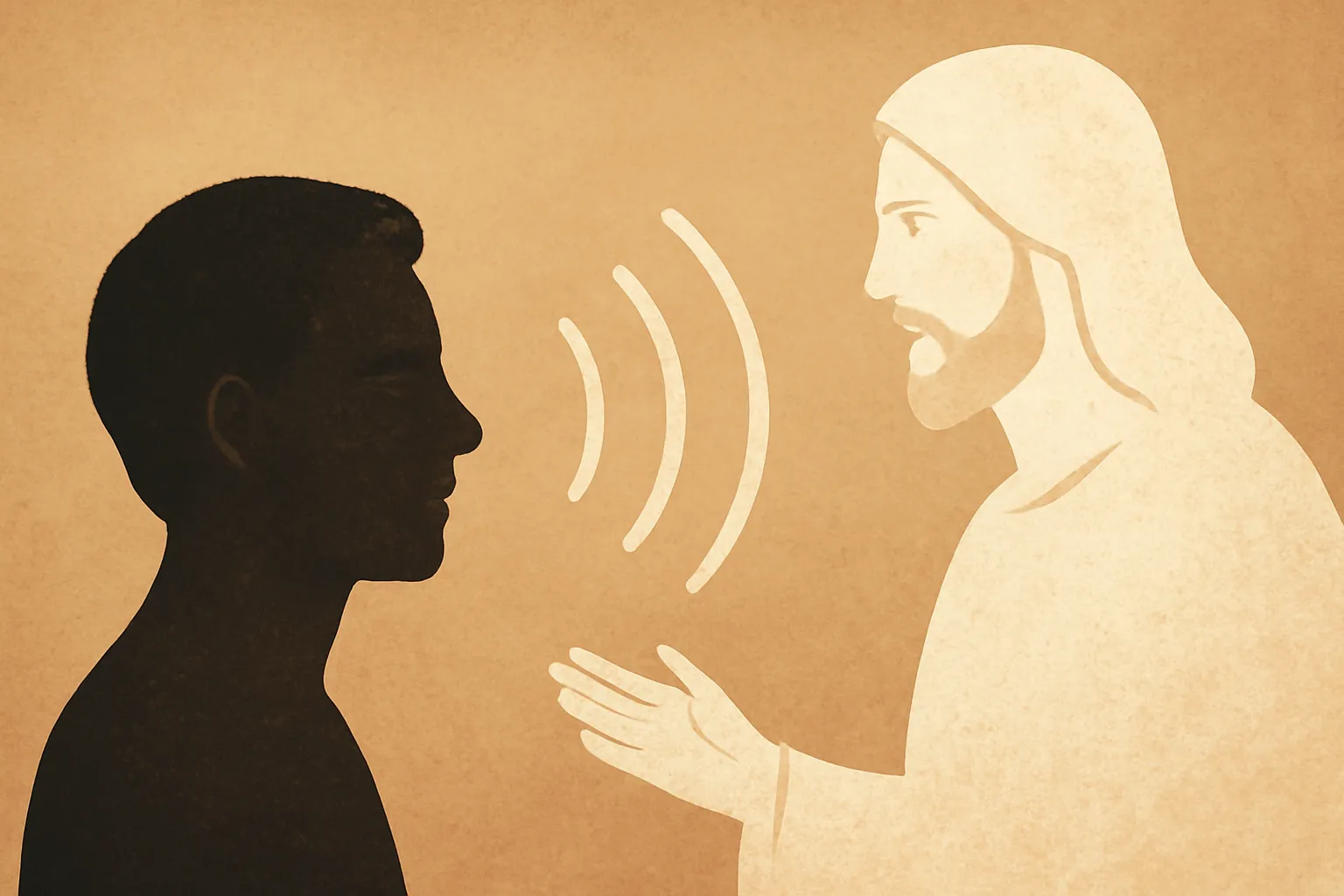
Many people describe moments when they hear a voice or sense a message that feels outside ordinary self-talk. This phenomenon can be framed in different ways depending on culture, faith tradition, personal history, and health. Some individuals experience what they interpret as divine communication, auditory messages, or holy guidance that informs decisions, strengthens faith, or deepens spiritual practice. Others may experience similar sensations but interpret them through a clinical lens as signals of a health issue that requires support. This article explores hearing voices from God as a broad topic—what it can mean, what tends to cause it, and how to seek help with care, sensitivity, and safety in mind.
What It Means to Hear Voices from God
The phrase hearing voices from God can describe a range of experiences, from deeply personal spiritual encounters to symptoms that resemble perceptual disturbances. In many religious and spiritual traditions, people report experiences that are considered divine communication, revelatory dreams, or inner discernment that guides actions, ethics, or life choices. In others, such experiences are interpreted through the lens of psychology or neuroscience as auditory hallucinations or other cognitive phenomena. While the overlap can be substantial, the meanings attached to these experiences are distinct and can influence how a person responds to them.
Key distinctions to understand include:
Spiritual experiences: A person may hear a voice or receive a sense of presence that aligns with their faith tradition, moral framework, and sense of purpose. Many who report such experiences describe a sense of peace, guidance, or reassurance. In healthy spiritual contexts, these experiences are often framed as trustworthy guidance that does not undermine agency or personal responsibility.
Psychological experiences: In some cases, hearing voices may arise from a confluence of cognitive, emotional, and physiological processes. Some of these experiences may be disruptive, distressing, or disorienting, and they can be a sign of a mental health issue requiring professional evaluation.
Clinical considerations: When voices are frequent, distressing, or impair functioning, clinicians may assess for underlying conditions such as psychotic disorders, mood disorders with psychotic features, post-traumatic stress disorder (PTSD), sleep disorders, or substance effects. Prognosis and treatment vary widely depending on the cause and context.
For many people, the line between sacred experience and clinical symptoms is navigated through community, faith leadership, and healthcare. In supportive settings, individuals are encouraged to explore the meaning of their experiences, while also ensuring safety, reducing distress, and promoting well-being. The goal is not to dismiss the spiritual significance of the experience but to address any distress or impairment and to respect personal beliefs.
Common Causes
Understanding why voices occur helps people respond in ways that are compassionate and effective. Causes can be manifold and may interact with a person’s faith and culture. They are often categorized into several broad domains:
1) Spiritual, Cultural, and Contextual Factors
Religious practice and tradition: In some faith communities, quiet voices or felt perceptions are considered a normal part of prayer, meditation, or prophetic activity. For adherents who interpret experiences within a tradition’s framework, it can be a source of meaning and guidance.
Cultural interpretation: Cultural norms shape how people understand unusual sensory experiences. What one culture interprets as a message from the divine, another may interpret as a psychological phenomenon; both interpretations are possible in parallel, depending on context and support systems.
Meaning-making and purpose: People often seek a reason for their struggles or a sense of purpose. A voice that seems to speak on behalf of God can fulfill a need for clarity or direction, especially during life transitions, moral doubt, or crisis.
2) Psychological and Cognitive Factors
Stress, trauma, and dissociation: Prolonged stress or traumatic experiences can influence perception, memory, and inner speech. Some individuals may experience voice-related phenomena as part of coping or neural processing after trauma.
Depression and mood disorders: Severe mood disturbances can be accompanied by perceptual symptoms, including hearing voices. In some cases, these experiences respond to treatment for the mood disorder.
Schizophrenia spectrum and other psychotic disorders: For some, voices may be a core symptom of a psychotic process. These experiences can vary in frequency, intensity, and content and may require specialized care.
Sleep deprivation and fatigue: Lack of sleep can intensify perceptual experiences, including auditory phenomena that may be interpreted as messages from God or from a higher power.
Neurological conditions: Certain conditions affecting the brain, such as temporal lobe epilepsy or other neurological disorders, can produce auditory experiences.
Brain chemistry and medications: Substance use, withdrawal, or side effects of medications (including psychiatric medications) can alter perception and lead to hearing voices.
Medical illness: Severe illness, infections, or metabolic disturbances may contribute to perceptual changes, including hearing voices.
4) Substance-Related Factors
Alcohol and drugs: Intoxication, withdrawal, or chronic use can provoke perceptual disturbances, including hearing voices.
Medications and interactions: Some medications may have auditory side effects or interact in ways that influence perception.
5) Intersecting Pathways
Co-occurring mental health conditions: It is common for voice-hearing to appear alongside other concerns such as anxiety, obsessive-compulsive symptoms, or personality patterns.
Life stress and identity: Major life changes (grief, loss, career shifts, or parental responsibilities) can heighten sensitivity to internal experiences and social cues.
Because experiences related to hearing voices can arise from many pathways, clinicians encourage a comprehensive, contextual assessment. A person’s spiritual meaning, cultural background, and personal values are important pieces of the overall picture. The aim is to support safety, well-being, and meaning-making, rather than to suppress legitimate spiritual experiences or pathologize a lifestyle or belief system unnecessarily.
How to Seek Help
For many people, the question is not whether voices exist but how to respond to them in a way that respects faith and protects health. Here are practical steps to consider if you or someone you know is experiencing voices that cause distress, impairment, or confusion:
Assess safety and distress: If voices encourage self-harm or harm to others, seek immediate help. Your safety and the safety of others is the first priority. If you’re in immediate danger, call your local emergency number or go to the nearest emergency department.
Talk with trusted people: Reach out to someone you trust—a family member, friend, spiritual mentor, or community leader. Sharing experiences can reduce isolation and help you gather support for next steps.
Seek a professional evaluation: A primary care clinician, psychologist, or psychiatrist can help determine whether there is a medical, neurological, or psychiatric basis for the voices. A careful evaluation may include medical history, sleep patterns, substance use, and a mental status examination.
Respect spiritual needs: If you are part of a faith community, consider involving a trusted clergy member, chaplain, or spiritual director who respects your beliefs and can help you navigate the intersection of faith and health.
Explore integrated care: In many places, healthcare systems offer integrated care that combines medical/psychiatric treatment with spiritual care. A team approach can address both the health aspects and the faith-based meanings of the experience.
Develop a safety and care plan: Work with your care team to create a plan that includes coping strategies, emergency contacts, crisis plans, and steps to reduce triggers (sleep hygiene, stress management, substance avoidance).
Learn coping skills: Techniques such as grounding exercises, mindfulness, journaling, and distraction strategies can help reduce distress and improve functioning when voices arise.
Assess religious interpretation: Reflect on how your beliefs shape the experience. Are there ways to interpret the voices that align with your values and responsibilities, while avoiding harm or coercion?
When to Seek Urgent Help
Some situations require immediate clinical attention beyond routine care. Seek urgent help if you notice any of the following:
Sudden, severe changes in thoughts, mood, or perception that are new and distressing.
Auditory commands to hurt yourself or others.
Self-harm thoughts or plans, or a loss of contact with reality (e.g., delusions, severe paranoia) that impairs ability to care for yourself.
Substance-induced deterioration: A drop in functioning after using or withdrawing from substances.
Medical red flags: Fever, severe headache, neurologic symptoms, or sudden weakness that could indicate a medical problem.
In the United States, you can dial 988 for immediate mental health crisis support. In other countries, contact your local emergency number or national crisis helpline. If you are worried about someone else, you can often reach out to a crisis line on their behalf or contact emergency services for a welfare check.
What Clinicians Look For: A Respectful, Evidence-Informed Approach
When a person reports hearing voices, clinicians take a careful, person-centered approach that respects both health and belief systems. Key components often include:
Clinical history: Onset, duration, intensity, content of the voices, level of distress, and impact on daily functioning.
Content and context: Whether the voices are commanding, consoling, or neutral, and whether they align with or challenge the person’s beliefs or values.
Risk assessment: Assessing risk to self or others, including any coercive voices that urge harmful actions.
Medical and substance review: Checking for substance use, sleep problems, infections, metabolic issues, or medication side effects.
Collateral information: Input from family, partners, faith leaders, or community members, with respect for the person’s confidentiality.
Differential diagnosis: Distinguishing between spiritual experiences, mood disorders with psychotic features, schizophrenia spectrum disorders, PTSD, or other medical conditions.
Treatment planning: If a health condition is identified, evidence-based treatments may include psychotherapy (e.g., cognitive-behavioral therapy for psychosis, CBT-P), pharmacotherapy (antipsychotic/antidepressant medications), sleep and stress management, and integrated care that respects spiritual life.
Many clinicians recognize that voice-hearing is not inherently dangerous and that some experiences may be meaningful within a person’s belief system. The emphasis is on reducing distress, improving functioning, and ensuring safety, while honoring individual values and spiritual identity.
Navigating Faith and Mental Health
Balancing religious or spiritual beliefs with mental health needs can be challenging but is often possible with careful planning and supportive relationships. Here are approaches that can help:
Open dialogue: Have honest conversations with trusted faith leaders about your experiences. A supportive clergy member can provide spiritual guidance while acknowledging health needs.
Joint care planning: When appropriate, involve both a mental health professional and spiritual advisor in the care plan to ensure that interventions respect beliefs and practices.
Rituals and routines: Maintain daily routines, prayer, or meditation practices that offer structure and comfort, while adapting as needed for health concerns.
Belief safety: Explore interpretations that emphasize compassion, non-harm, and personal responsibility. Avoid beliefs that stigmatize or isolate you from supportive communities.
Education and advocacy: Learn about voice-hearing as a human experience and advocate for your needs within your faith community, reducing stigma and encouraging supportive responses.
Individuals who manage both spiritual identity and health concerns often report that meaningful engagement with faith continues to be a source of resilience even as they pursue medical or psychological treatment. The aim is not to diminish the person’s faith but to help them live a safe, purposeful life aligned with their values.
Whether you interpret the experience as a spiritual gift, a warning, or a symptom, practical coping tools can help manage distress and improve day-to-day functioning. Consider these approaches, ideally in partnership with health professionals and spiritual mentors:
Grounding techniques: Use sensory grounding (name five things you see, touch, hear, smell, and taste) to anchor yourself during or after an episode.
Structured routines: Regular sleep, meals, exercise, and activities reduce the likelihood of destabilizing symptoms.
Voice-related strategies: When voices are present, you might try acknowledging them without surrendering control, and use coping statements such as “I hear you, but I am safe and in charge of my actions.”
Religious and spiritual practices: Continue prayer, meditation, scripture study, or sacred music if these practices are comforting, while ensuring they do not cause additional distress or harm.
Safer content management: If voices contain violent or coercive content, develop safety plans with your clinician that minimize risk and maximize autonomy.
Support networks: Lean on trusted friends, family, clergy, and peers who understand your values and can provide nonjudgmental support.
Cultural humility in care: Seek clinicians who respect your faith tradition and who can discuss how your beliefs influence your experiences without dismissing them.
Resources and Support
Finding the right support often involves a combination of medical care, mental health services, and faith-based guidance. Below are general resources that may be helpful. If you are in immediate danger or feel at risk, contact your local emergency number right away.
National and international mental health organizations: Provide education about voice-hearing, stigma reduction, and referrals to clinicians who are sensitive to spiritual diversity.
Crisis lines and helplines: 24/7 support for people in distress, with options for crisis intervention and referral to mental health professionals.
Faith-based care resources: Chaplains, spiritual directors, and clergy who are trained to support mental health needs and to coordinate with healthcare providers.
Educational materials on voice-hearing: Books, articles, and courses that explore voice hearing from both scientific and spiritual perspectives.
Peer support groups: Communities where people share experiences of voice-hearing in a nonjudgmental environment, often including discussions about faith and coping strategies.
Safe online resources: Reputable websites that discuss the science of auditory experiences, coping strategies, and how faith communities can respond compassionately.
Examples of reputable organizations you might consider contacting include national mental health associations, local clinics, and religiously affiliated counseling services. If you would like, I can tailor recommendations to your location or preferred faith tradition.
Case Scenarios: How People Navigate the Experience
Understanding how diverse individuals approach hearing voices from God helps illustrate the range of possible paths. Here are a few hypothetical yet representative scenarios that highlight different approaches, while avoiding stereotypes:
Scenario A: Faith-forward interpretation: A devout person experiences a guiding voice during a period of decision-making. They interpret the message within their religious framework and consult a trusted faith leader to discern whether the guidance aligns with core values. They also seek medical evaluation to rule out health concerns, finding a balanced approach that honors both spirituality and well-being.
Scenario B: Health-focused support: An individual notices that the voices occur after a difficult trauma and disrupt daily functioning. They pursue a mental health assessment, receive therapy, and begin sleep improvement strategies. Their faith community offers ongoing support, acknowledging the spiritual significance while prioritizing symptom management.
Scenario C: Combined care with caution: A person identifies an inner voice that is comforting but sometimes gives instructions that feel risky. They work with a clinician to determine safety plans, while a spiritual mentor helps reframe the experience using compassionate language and ethical boundaries.
Scenario D: Cultural and community responsiveness: In a diverse community, voice-hearing is discussed openly in both clinical and religious settings, reducing stigma. Community leaders collaborate to create guidelines that respect beliefs and promote access to care for those who need it.
Conclusion: A Compassionate, Informed Perspective
Hearing voices from God or similar experiences is a multifaceted topic that sits at the crossroads of faith, culture, and health. It can be a source of comfort, meaning, and purpose for some, while for others it may signal health concerns that deserve attention. There is no single template for all experiences; what matters most is safety, dignity, and the ability to live a full and connected life.
If you or someone you know is navigating voice-like experiences, consider the following guiding principles:
Honor personal beliefs: Treat spiritual experiences with respect and curiosity, recognizing their potential significance in your life.
Prioritize safety: Distress, coercive content, or self-harm risk require timely support from trusted individuals or professionals.
Seek informed care: A comprehensive assessment can illuminate underlying health factors and inform appropriate treatment, without dismissing the spiritual dimension.
Engage supportive communities: Involving faith communities, family, or peers can provide resilience and reduce isolation.
Develop a plan: A personalized care plan that combines medical, psychological, and spiritual elements tends to yield the best outcomes.
Ultimately, the experience of hearing voices—whether described as God-sent communication, an inner voice, or a perceptual phenomenon—can be navigated with empathy, education, and collaborative care. By approaching the situation with openness to both faith and science, individuals can preserve their sense of purpose while maintaining their health and safety. If you would like, I can tailor this article to a specific faith tradition, country, or set of resources to help readers access more targeted information.











Publicar comentario