Apostle Birds: Facts, Habitat, Diet, and Care Tips
Apostle birds, also known as apostle-birds or Apostlebirds, are distinctive Australian passerines famed for their social behavior, cooperative breeding, and striking presence in the landscapes they inhabit. These birds, scientifically classified as Struthidea cinerea, belong to a small but fascinating lineage of cooperative foragers that often move through open woodlands, scrubby edges, and rural landscapes with ease. In many parts of Australia, these birds are a familiar sight in flocks that work together to forage, defend territory, and raise their young. This article explores facts, habitat, diet, and care tips for apostle birds, offering a thorough guide for bird lovers, students, and potential keepers alike.
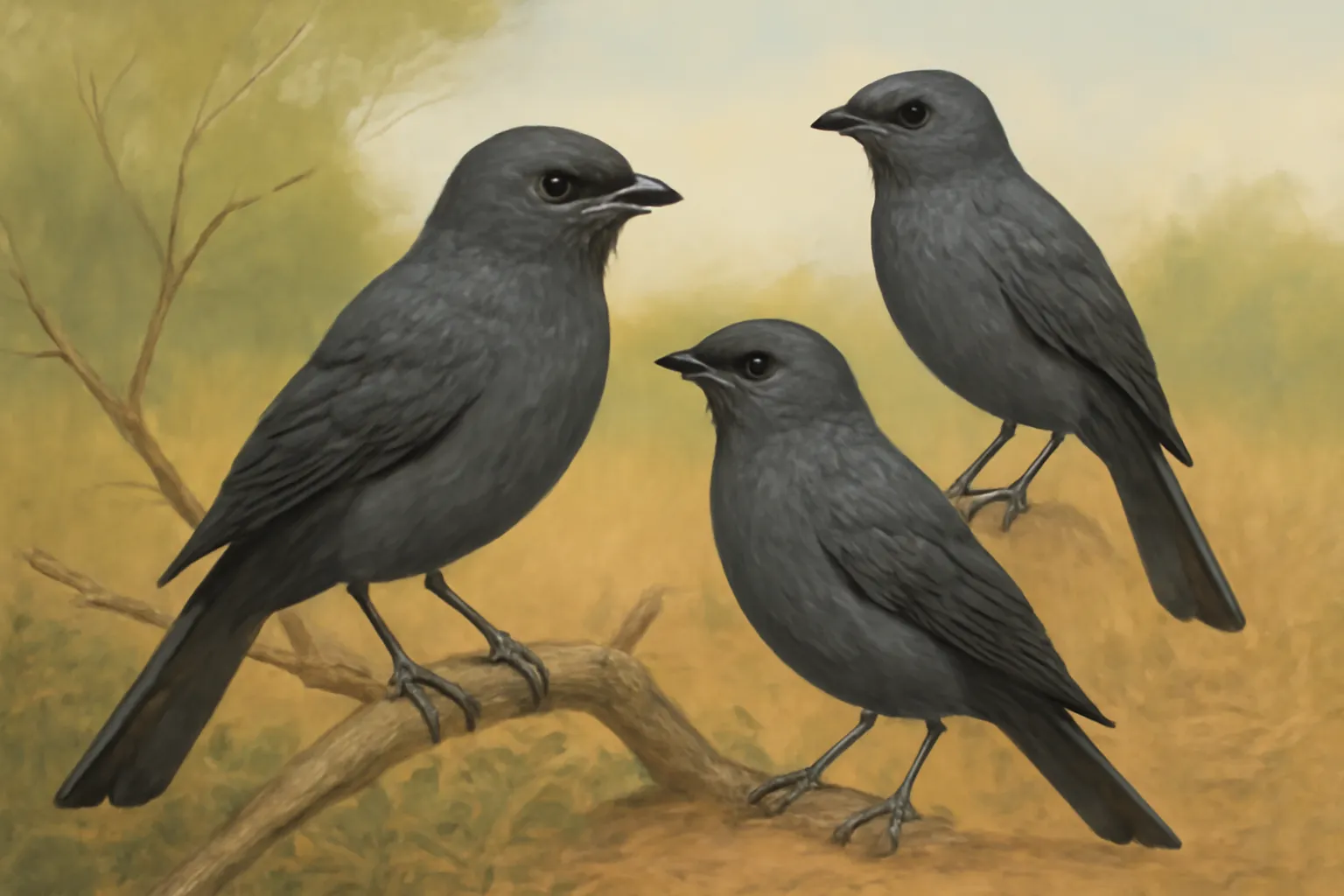
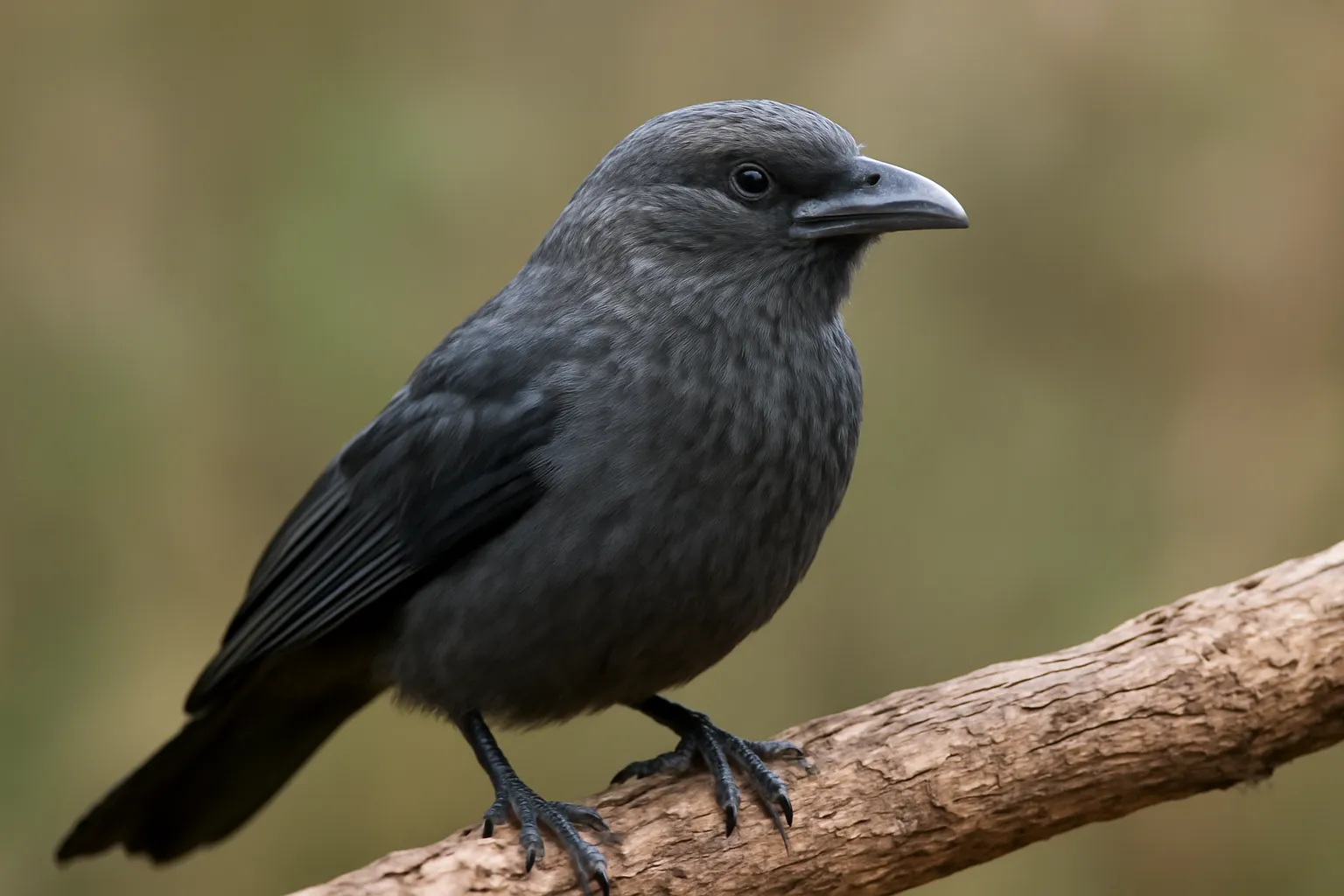
The Apostlebird is a medium-sized passerine with a gentle gray-brown plumage, a pale throat, and a bold social streak. Though often seen in large groups, these birds are nonetheless easily identifiable by their calm, purposeful movements and their distinctive foraging style. Below are some core facts about this species:
Scientific name:Struthidea cinerea
Common names: Apostlebird, apostle bird, or apostle-bird
Size and appearance: Approximately 25–28 cm in length; medium-sized passerine with gray-brown upperparts, pale underparts, and subtle markings on the wings
Social structure: Highly social, living in extended family groups and mobs that cooperate in foraging, defense, and nesting
Diet type: Omnivorous, with a strong emphasis on insects and seeds, supplemented by fruits and plant matter
Breeding system:Cooperative breeding where non-breeding helpers assist the dominant breeding pair
Lifespan in the wild: Typically several years; longer lifespans are possible in protected or favorable habitats
Vocalization: A repertoire of calls used for alarm, contact, and coordination within the flock
Conservation status: Generally not considered endangered; common across suitable habitats in its native range
One of the most remarkable aspects of this species is its cooperative social structure. Within a flock, adults cooperate to incubate eggs, feed nestlings, and defend the territory against predators. This system enhances the survival prospects of the group as a whole and provides juveniles with extended learning opportunities before they reach independence.
Habitat and Distribution
The apostle bird has a broad but well-defined native range across much of southern and eastern Australia. They are particularly common in regions with open habitats, where tall grasses, shrubbery, and scattered trees offer both foraging opportunities and nesting sites. The birds are adept at exploiting a variety of landscapes, including:
Woodland edges and lightly wooded farmland
Scrubland and bushland with ample ground cover
Open forests and semi-arid zones where water sources are accessible
Rural and suburban areas where lawns, gardens, and irrigation create foraging hotspots
In terms of distribution, apostle birds are most common in southeastern Australia, including parts of Queensland, New South Wales, Victoria, and South Australia. They are less common in the extreme north and arid interior regions, but their adaptability allows them to exploit diverse environments as long as food resources and nesting sites are available. Even in farmland and human-modified landscapes, these birds often thrive by forming cooperative groups that can cover substantial ground in search of seeds, insects, and fruit.
Two ecological traits stand out in their habitat choices. First, they prefer open canopy environments that allow for safe, low-visibility foraging along the ground and beneath shrubs. Second, they rely on tree hollows and dense shrub patches for nesting and roosting, which makes mature woodlands and cultivated groves especially valuable. While their range is broad, local populations can shift with droughts, crop cycles, and seasonal rainfall, underscoring the importance of stable habitats and water availability for sustaining flocks over time.
Diet and Foraging Behavior
The diet of apostle birds is varied and opportunistic, reflecting their role as adaptable foragers. They can switch between foraging on the ground and foraging in shrubs, depending on seasonal abundance and habitat structure. Their foraging strategy is characterized by coordinated movements, with members of the group spreading out to probe the soil, leaf litter, and low vegetation in search of edible items.
Insects and other invertebrates: Ants, beetles, larvae, caterpillars, and grasshoppers are common targets, particularly after rains when insect activity increases
Seeds and grains: Grass seeds, weed seeds, and agricultural grains when available
Fruits and berries: Seasonal fruits from native shrubs or cultivated plants
Plant material: Leaves, stems, and buds in some seasons, especially when animal prey is scarce
Foraging behavior is often cooperative. In a typical foraging bout, one or more birds may locate a resource and then signal others, prompting a shared investigation of the resource. This social foraging increases the efficiency of discovery and exploitation of food patches, and it helps the flock cover a larger area in less time. Ground foraging is common, but the birds will also use shrubs and low branches to glean insects from crevices. They are known to flip leaf litter with their bills, a technique that reveals arthropods hiding beneath the surface layer.
In human-modified landscapes, apostle birds will consume a mix of natural foods and items provided by people. If you observe them around gardens or farms, you might see them taking:
Insects attracted to compost piles or open soil
Seeds spilled from crop fields or bird feeders
Small fruits from ornamental or native shrubs
Because they are omnivorous, their nutritional needs are met through a balance of animal protein and plant-based resources. In captivity or in managed reserves, offering a varied diet that mimics natural foods can help maintain health, feather condition, and energy for daily activities such as social interactions and nest building.
Social Structure and Breeding
One of the most striking aspects of apostle birds is their social organization. These birds form complex social groups that may include a single breeding pair plus a number of helpers, or larger multi-family units during certain times of the year. The birds cooperate in several key activities:
Breeding: A dominant breeding pair typically lays eggs and raises the first brood of the season
Parental care: Helpers assist with incubating eggs, feeding nestlings, and defending the nest
Territorial defense: The flock defends its territory against intruders and potential predators
Juvenile learning: Young birds learn essential foraging, predator avoidance, and social skills through participation in group activities
The process of cooperative breeding is a notable evolutionary strategy. In this system, non-breeding adults contribute to the upbringing of the offspring, thereby increasing the overall productivity and survival rate of the group. This approach can also provide a form of social insurance: if a breeding pair fails for any reason, helpers in the group can sustain a portion of parental care and support the next cohort of fledglings.
Breeding seasons for apostle birds are generally tied to rainfall and resource availability. In many parts of their range, eggs are laid during spring and early summer when food is abundant. A typical clutch consists of several eggs—often three to five—and the incubation period lasts about 14–18 days, depending on environmental conditions and the specific pair. Nest sites are usually in trees or tall shrubs with good cover, and nests are sturdy constructions built from twigs and grasses, sometimes reinforced with other plant materials. Once hatched, the nestlings depend on both parents and helpers for food and warmth during the critical early days of development.
Healthy, cohesive flocks tend to have a high rate of successful fledging and can maintain their group cohesion across seasons. However, in environments with persistent drought, habitat loss, or extreme predation pressure, even the best-coordinated groups may experience reduced reproductive success. The resilience of apostle birds is closely linked to habitat quality and access to reliable foraging opportunities, which makes conserving suitable landscapes important for long-term population stability.
Vocalizations and Communication
Communication is central to the life of a social species like the apostle bird. These birds use a variety of sounds to coordinate movements, alert the group to danger, and maintain social bonds. Their vocal repertoire includes:
Alarm calls: Sharp, staccato notes that signal predators or threats
Contact calls: Gentle chatters and soft whistles that help flock members locate each other during foraging
Threat or display calls: More elaborate notes used during territory defense or courtship
In addition to vocalizations, apostle birds rely on visual signals and body language. A perched posture, a flick of the tail, or a wing display can convey information about readiness to forage, aggression toward rivals, or signaling that a chosen feeding patch is open. The combination of sound and movement makes their social life richly communicative and highly responsive to dynamic environmental cues.
Conservation Status and Threats
Across their native range, apostle birds are generally considered to be common and stable in suitable habitats. They have proven adept at inhabiting a range of landscapes, including agricultural areas and urban fringes, provided food and nesting sites remain available. While they are not currently listed as endangered, several factors can influence local populations:
Habitat loss: Clearing of woodlands and shrublands can reduce available nesting cavities and foraging grounds
Water scarcity: Prolonged droughts can limit insect availability and plant resources
Pesticide use: Reduces insect prey and can be harmful if contaminated food sources are consumed
Predation: Cats, birds of prey, and other predators potentially impact nest success in some areas
Conservation efforts that maintain mosaic habitats, protect nesting sites, and promote sustainable land-use practices help ensure that apostle bird populations continue to thrive. Observing these birds in the wild can be a reminder of how social living and environmental balance contribute to the success of a species with such distinctive social habits.
Care Tips: Keeping Apostlebirds in Captivity or in Managed Settings
For educators, wildlife exhibits, or dedicated aviculturists, keeping apostle birds in captivity requires careful attention to their social nature, dietary needs, and enrichment requirements. The following care tips are intended to provide a thorough, ethically informed guide. Before considering keeping apostlebirds, always check local laws and ethical guidelines, as well as the welfare implications for any wild species.
Enclosure and Housing
Social housing: Apostle birds are profoundly social and should be kept in groups rather than in isolation. A small flock is far more natural and humane than keeping single individuals
Space requirements: Provide a large, secure enclosure with vertical space for perching and some ground area for foraging simulations. A minimum of several square meters per bird is advisable, expanding with the number of birds
Perches and habitat features: Include multiple levels of perches, dense shrubs, and faux nesting cavities or boxes to replicate natural roosting opportunities
Protection: Ensure the enclosure is predator-proof and escape-proof, with weather protection for extreme heat or cold
Diet and Feeding Schedule
Balanced diet: A combination of high-quality formulated insectivore or omnivore pellets, supplemented with live insects (such as mealworms), small seeds, and chopped fruit
Natural foraging opportunities: Scatter food to encourage foraging behaviors similar to the wild, and create foraging substrates like leaf litter or shallow baskets filled with safe substrates
Hydration: Provide fresh, clean water at all times; consider shallow water dishes to minimize drowning risk for younger birds
Grit and minerals: A source of grit or mineral supplement helps digestion and overall health, particularly for seed-heavy diets
Social Enrichment and Activity
Social enrichment: Regular social interaction within the flock is essential; avoid solitary housing, and rotate enrichment to keep behaviors flexible
Foraging enrichment: Use puzzle feeders, foraging toys, and naturalistic feeding stations to stimulate problem-solving and energy expenditure
Nest-building opportunities: Provide materials such as twigs, grasses, and leaf bits that mimic nest-building opportunities
Health, Hygiene, and Welfare
Regular health checks: Monitor weight, plumage condition, droppings, activity level, and appetite
Clean environment: Maintain clean water and food dishes; clean enclosures regularly to prevent bacterial growth
Parasite and disease awareness: Watch for signs of mites, respiratory issues, or lethargy; consult an avian veterinarian if abnormalities arise
Quarantine and introduction: If introducing new birds, do so gradually in a supervised, neutral space to reduce aggression and stress
Breeding groups: If your setup involves breeding, ensure you have a stable hierarchy and adequate nesting sites; avoid excessive disruption during the breeding season
Egg handling and incubation: Do not interfere with incubation unless necessary for welfare; avoid removing eggs unless there are welfare concerns
Development: Fledgling care requires careful provisioning of food and warmth, especially during the first weeks after fledging
Legal and Ethical Considerations
Legal permissions: Check with local wildlife authorities about permits or restrictions related to keeping apostlebirds
Ethical welfare: Prioritize the birds’ natural behaviors, social needs, and environmental enrichment; never keep birds in conditions that cause chronic stress or injury
For educational or sanctuary settings, apostle birds can be highly rewarding to observe and study, as long as their needs for social interaction, foraging opportunity, and nesting behavior are fulfilled. A well-designed environment that simulates natural conditions will yield a more authentic and humane experience for both the birds and the people who visit or study them.
Observational Notes and Practical Tips
If you encounter apostle birds in the wild or in a managed setting, here are practical, non-technical tips to enhance understanding and safety for both you and the birds:
Observation during foraging: Watch how a group fans out and then converges on a promising patch. Notice how individuals alert others with specific calls when a predator is spotted
Nesting season awareness: Be mindful of nesting sites during spring and early summer; avoid disturbing nesting birds or handling nest materials
Seasonal behavior: In drier periods, flocks may widen their foraging scope and travel longer distances in search of water and food resources
Interaction with humans: In urban or agricultural areas, apostle birds may become habituated to feeders or people. Maintain respectful distances and avoid feeding them foods that are unhealthy or unsuitable for birds
Studying apostle birds through structured observation can yield insights into their social dynamics, learning patterns, and ecological adaptations. Whether you are a student, a hobbyist, or a professional, taking careful notes on flock size, call types, and nesting outcomes provides a window into a remarkable cooperative system that has evolved to cope with variable resources and environmental pressures.
Frequently Asked Questions (FAQ)
To address common curiosities about apostle birds, here are concise answers to frequent inquiries:
Do apostle birds form lifelong pairs? They typically form breeding pairs for a season or longer, but the species’ social groups can be dynamic, with helpers and relatives contributing to care and defense
Are apostle birds aggressive to other birds? They can be territorial during nesting, especially within their occupied patch, but generally display more cautious and cooperative behavior within their flocks
What is the best way to observe them in the wild? Look for fresh grassy or shrubby edge habitats after rain, listen for a chorus of chattering calls, and maintain a respectful distance to avoid disturbing the birds
Can apostle birds be kept as pets? In many places, keeping native wildlife requires permits and strict welfare standards. If permitted, ensure you meet their complex social needs and provide a large, enriched setup










Publicar comentario