Christ Tour: The Ultimate Guide to Christian Pilgrimages
Overview and purpose of the Christ Tour concept
A pilgrimage is a journey with sacred purpose. When people speak of the Christ Tour, they refer to a guided or personal exploration of places that have shaped Christian faith, life, and devotion across centuries. This article uses the phrase Christ Tour in its broad sense—any organized or individual path that connects believers with the life of Jesus, the saints, and the institutional centers of Christian history. We will also encounter variations like Christ Tours, Christ’s tour, or the Christ pilgrimage circuit, each emphasizing a slightly different angle on the same enduring practice.
The aim of this guide is to help readers understand what a Christ Tour can look like, how to prepare, and how to honor both personal faith and local cultures along the way. Whether you are drawn to the Holy Land, the cradle of Christian civilization, or to celebrated pilgrimage routes in Europe, this guide offers a practical, spiritual, and historical map for today’s travelers.
A brief history of Christian pilgrimage
Christian pilgrimage has deep roots in the first centuries of the Church. Early Christians traveled to Jerusalem to recall the events of Jesus’ life, death, and resurrection. Over time, routes were established to the places where martyrs lived and died, where saints preached, and where monasteries served as anchors of faith and learning.
Early roots and key sites
The earliest pilgrimages often centered on Jerusalem, Bethlehem, and sites related to Jesus, the Virgin Mary, and the Apostles. The practice matured as Christian communities grew in the Mediterranean basin and Western Europe. The Way of St. James (Camino de Santiago) emerged in the medieval era as a durable network of routes to the tomb of the Apostle James in Santiago de Compostela. This route became a spiritual pathway for repentance, penance, and renewal.
The medieval to modern transformation
In the Middle Ages, pilgrimages were supported by monasteries, hospices, and religious orders. The Roman Church and, later, the broader Christian world, formalized pilgrim churches and shrines. In the modern era, pilgrimages diversified to include Marian shrines such as Lourdes in France and Fatima in Portugal, as well as centers of Catholic, Orthodox, and Protestant devotion. Today, the Christ Tour may be undertaken for spiritual formation, historical curiosity, or personal healing, and it is enriched by modern travel logistics, scholarly guides, and digital resources.
Planning your Christian pilgrimage: practical steps
Clarify your purpose and scope
Before you embark on any path associated with a Christ Tour, define what you hope to gain. Is your aim devotional, educational, or artistic? Do you want to walk long distances along the Way of St. James, or do you prefer contemplative time in a single sacred place such as Assisi or Jerusalem?
Choosing a route or destination
There are numerous options for a modern Christ Tour. Some travelers combine several centers into a larger circuit, while others focus on a single site to deepen prayer and understanding.
Jerusalem and the Holy Land for a direct encounter with biblical events and contemporary faith communities.
Rome and the Vatican for an ecumenical and historical center of Christian faith, art, and governance.
Santiago de Compostela or other Camino routes for a physical, communal journey of preparation and perseverance.
Lourdes and Fatima for Marian devotion and healing prayers.
Assisi for the life and message of St. Francis and the Franciscan tradition.
Canterbury for the English church’s medieval history and liturgical heritage.
Plan the timing of your Christ Tour around climate, crowd sizes, and holy seasons. Spring and autumn often offer mild weather and fewer crowds in Europe, while Jerusalem can be intense in the hot summer. Marian shrines may have specific feast days that deepen the experience, but crowded periods can also affect accommodations and quiet spaces for prayer.
Logistics and budgeting
A well-managed budget helps you sustain a meaningful pilgrimage. Consider transportation, lodging, meals, guide fees, entry tickets, and contingencies. If you are walking a route such as the Camino, a pedometer or GPS device, appropriate footwear, and layered clothing become essential. For urban centers like Rome or Jerusalem, plan for public transit or organized tours to maximize time at sacred sites.
Spiritual preparation
A Christ Tour is not only a physical journey but a spiritual one. You can prepare with daily prayer, scripture reading, journaling, and a simple vow of silence or confession at the start of the trip. Many travelers find that carrying a small devotional guide or a personal rosary or prayer card fosters rhythm and focus amidst travel pressures.
Practical documentation
Ensure your traveler documents are in order: passports, visas (if required), travel insurance, and any necessary medical prescriptions. For some destinations, you may need a visa or a special permit for religious sites. Carry copies of important documents and secure digital backups.
Major pilgrimage routes and destinations
Jerusalem and the Holy Land: walking in the land of Jesus
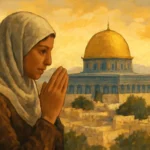
The Holy Land is a magnetic focal point for many on the Christ Tour. Sites include the Church of the Holy Sepulchre, the Basilica of the Nativity in Bethlehem, the Mount of Olives, and the Sea of Galilee region. For many, walking the stations of the cross in Jerusalem, praying at Gethsemane, or renewing baptismal vows near the River Jordan become transformative experiences. Travel tips include layering for climate, respecting sacred spaces, and engaging with local Christian communities to understand diverse expressions of faith.
Rome and the Vatican: center of Catholic Christian history
Rome has been a pilgrimage magnet for centuries. The Vatican City is home to St. Peter’s Basilica, the Sistine Chapel, and papal liturgies. Pilgrims often combine time in Rome with day trips to sites like the Basilica of St. Paul Outside the Walls, the catacombs, and medieval churches. A Christ Tour here can blend liturgical participation with art and architecture appreciation, offering a multi-sensory sense of the Christian story.
Santiago de Compostela and the Camino de Santiago
The Way of St. James has evolved into a global symbol of pilgrimage. Pilgrims tread ancient trails, share albergues, and meet diverse walkers in search of renewal and purpose. The destination, the cathedral housing the tomb of the Apostle James, invites a sense of endpoint and new beginning. Pilgrims often reflect on their journey in light of St. James’ example of faith, endurance, and hospitality.
Marian shrines: Lourdes and Fatima
Marian devotion has shaped many modern expressions of pilgrim practice. In Lourdes (France) and Fatima (Portugal), visitors come for prayer, healing rites, and quiet moments by the grotto or chapel spaces. A Christ Tour that includes these sites emphasizes contemplation, intercession, and gratitude. Respect for local customs, modest dress, and the reverent atmosphere is essential.
Assisi: the life of St. Francis and Franciscan spirituality
In Assisi, the life of St. Francis inspires travelers to explore themes of poverty, unity with creation, and service to the poor. The Basilica of St. Francis and nearby chapels offer opportunities for prayer, reflection, and engagement with a living tradition that emphasizes gentle humility and spiritual poetry.
The English pilgrimage tradition highlights the historical development of Western Christianity. Canterbury Cathedral stands as a tomb of St. Thomas Becket and a symbol of faith under political and social pressures. For pilgrims, Canterbury offers an opportunity to reflect on the endurance of faith, the development of liturgy, and the often rugged paths of reform and reformulation within Christian history.
Other meaningful routes and sites
Beyond the well-known centers, many travelers pursue Christ Tour experiences to regional monasteries, ancient ruins, or sacred landscapes—such as Patmos in Greece, Mount Sinai in Egypt, or Iona in Scotland. Each site contributes to a broader map of Christian memory, spiritual practice, and hospitality.
The spiritual life on the road: practices and disciplines
Prayer and contemplation on the move
A successful Christ Tour invites regular prayer and moments of quiet. Some travelers set a rhythm—morning worship, midday reflection, and evening gratitude. Others prefer guided meditations or devotional books. The key is consistency rather than intensity.
Scripture engagement and devotionals
Bringing a compact Bible, a psalter, or a small devotional booklet can anchor one’s experience. Reading passages related to the day’s site or route can deepen the connection between place and faith.
Community and fellowship
Sharing the journey with others—whether in a formal tour group or a small circle of fellow travelers—provides support, accountability, and opportunities for shared prayer. Even when traveling solo, you can connect with local church communities or pilgrims at hostels and monasteries.
Art, music, and symbolism
Many pilgrims are drawn to sacred art, icons, or liturgical music encountered along the way. Documenting these encounters through sketches, photos, or journaling can become part of the ongoing spiritual practice of the Christ Tour.
Logistics and etiquette for a respectful journey
Respectful dress and modest behavior in sacred spaces, including head coverings where required and minimal disruption during services.
Local customs and language basics that honor host communities, especially in prayer times or religious ceremonies.
Safety and health considerations: stay hydrated, plan for rest, and have access to medical care if needed.
Respect for sacred spaces: photos, silence, and participation rules vary by site; always follow posted guidelines and ask permission when unsure.
Financial mindfulness: tipping practices and donation norms differ by country and site; carry some small local currency for offerings or purchases.
Sample itineraries for different tastes: a few frameworks
Classic European circuit: Assisi – Rome – Canterbury
A 14–18 day journey that blends the spiritual centers of Assisi, Rome, and Canterbury. Begin with Franciscan humility in Assisi, advance to the Roman basilicas for liturgy and art, and conclude with English cathedral heritage and Anglican worship in Canterbury.
Grand Holy Land and Mediterranean mix
A 21–28 day itinerary combining Jerusalem, Galilee, Rome, and optional stops in Greece or Cyprus to explore early Christian communities and Mediterranean spiritual culture.
Camino de Santiago: a walking pilgrimage
A 7–14 day trek along segments of the Camino, culminating in the cathedral of Santiago de Compostela. This path emphasizes physical endurance, community, and reflective practice.
Marian shrines and contemplation
A mixed route visiting Lourdes, Fatima, and nearby sacred sites, with extended time for private prayer, communal liturgy, and healing rites.
Monastic and coastal retreat circuit
An itinerary that weaves visits to monasteries and abbeys—such as those in France, Italy, and the British Isles—with quiet coastal towns for rest, journaling, and spiritual reading.
Preparing for a meaningful journey: spiritual and practical notes
Spiritual readiness
A Christ Tour can be profoundly transformative when paired with intentional spiritual preparation: setting a personal rule of life for the journey, selecting a focus text, and inviting a friend to accompany you for accountability and shared prayer.
Depending on the route, you may walk long distances or navigate uneven urban terrain. Start a gentle fitness plan, choose comfortable footwear, and pack essentials like basic first aid, blister care, and weather-appropriate clothing.
A Christ Tour can be affordable or premium-based depending on destination choice and pace. Consider creating a modest budget with fixed and flexible categories: lodging (hostels, guesthouses, parishes), food (shared meals, local eateries), transportation (rail passes, bus networks), and contingency funds for emergencies.
Documentation and records
Keep a travel journal, collect small mementos, and photograph meaningful moments. If you are visiting multiple sites, maintain a simple card file (digital or paper) with notes about what you learned or felt at each place. This helps you recall insights long after you return.
Ethical and intercultural considerations on the road
Traveling for a Christ Tour involves more than personal conversion; it also invites responsibility toward local communities, histories, and faith practices. Respect differences in theology and practice; seek opportunities to learn from local believers, and approach each site with humility and openness. While some travelers want to imitate a saint’s life, others seek inspiration in the stories and generosity found along the pilgrimage routes. Either way, the focus remains on growth, reverence, and gratitude.
It is also important to be mindful of environmental impact. Follow sustainable travel practices, minimize waste, use public transport where feasible, and support local businesses and religious communities that welcome pilgrims.
Modern pilgrimages increasingly emphasize inclusivity. If you or someone you accompany has mobility challenges, look for routes with accessible accommodations, shorter walking segments, and places to rest. Many sacred sites host accessibility resources and volunteer guides who can adapt a program to fit various needs.
Glossary and variations frequently used with the Christ Tour concept
Christ Tour (singular) — the journey as a spiritual itinerary to sacred destinations.
Christ Tours (plural) — multiple journeys or a longer route composed of several pilgrimages.
Christ’s tour — a phrasing that emphasizes the life of Jesus as the central focus of the journey.
Christ pilgrimage circuit — a networked or looped set of pilgrimage sites connected by common themes or routes.
Pilgrimage to holy sites — a broader term that sometimes describes non-Christian or interfaith journeys but used here to indicate a Catholic/Orthodox/Protestant Christ-centered focus.
The Way or Camino — commonly used for the Camino de Santiago route; often treated as a Christ Tour in spiritual sense.
Conclusion: embracing the journey of the Christ Tour
The Christ Tour represents a living tradition—one that invites believers to encounter faith through place, people, liturgy, and history. Whether you choose a well-trodden route like Santiago de Compostela or undertake a sacred circuit that includes Lourdes, Jerusalem, and Assisi, the core aim remains: to deepen faith, nurture hope, and cultivate charity through movement and contemplation.
A well-planned Christ Tour can be a catalyst for personal renewal, community connection, and a renewed sense of purpose. It challenges you to walk with others across borders and to listen with reverence to the stories of faith that have shaped civilizations. This ultimate guide to Christian pilgrimages is designed to help you envision possibilities, prepare with intention, and step into the journey with openness to transformation.
If you are drafting your own itinerary or evaluating a guided Christ Tour, remember that the most meaningful experiences often arise from quiet moments—when you pause before a sacred site, listen to the liturgy around you, or share a simple conversation with a local pilgrim or a fellow traveler. May your path be blessed, your prayers be sincere, and your steps be steady as you embark on the Christ Tour that most deeply calls you.









Publicar comentario