Church Hats: Styles, Etiquette, and How to Choose the Perfect Hat for Sundays
Church hats have long been a visible symbol of personal style, respect, and community in many congregations around the world. From the grand, wide-brimmed millinery that frames a Sunday outfit to the delicate, understated fascinators perched atop a modest dress, hats worn to worship services carry both aesthetic and cultural significance. This article offers a comprehensive guide to styles, etiquette, and practical tips for choosing the perfect hat for Sundays. Whether you are new to this tradition or seeking to refresh your approach, you will find guidance on how to balance elegance, comfort, and reverence in a way that fits your church’s expectations and your personal taste.
The practice of wearing hats in a house of worship has diverse roots. In many parts of the world, hats were historically a sign of respect, modesty, and celebration on the Sabbath. Over time, the ritual has evolved into a form of expression—a way to complement an outfit, honor cultural heritage, and participate in a shared sense of ceremony. While standards vary by denomination, region, and individual church, the central idea remains: a hat should enhance the service, not distract from it. This means considering factors such as appropriate scale, color harmony, comfort, and seasonal practicality.
Styles of Church Hats
There is a wide spectrum of hat styles that are commonly worn for church services. Below are the most recognizable categories, along with notes on how to wear them, what outfits they pair well with, and the kind of occasions that suit them best. While this list highlights typical options, individual churches may have preferences or prohibitions, so it’s always wise to observe local norms or ask a pastor or church administrator if you’re unsure.
Wide-Brimmed Hats
Wide-brimmed hats are among the most iconic church millinery. They can range from the practical to the extravagant, with brims that extend from 3 to 6 inches or more. These hats create a strong silhouette and offer sunny protection for outdoor processions or church grounds. They pair beautifully with tailored suits, structured dresses, or long skirts and blouses. When choosing a wide-brim hat, consider the proportion of your outfit—if the brim is bold, keep the dress lines clean and let the hat be the focal point. Materials often include felt, straw, sinamay, or structured fabric, and embellishments may feature ribbons, bows, veiling, or decorative flowers.
Suggested pairings:
Solid-color outfits in navy, charcoal, cream, or jewel tones.
Outfits with clean lines to balance the hat’s drama.
Seasonal options such as straw hats for spring/summer and felt or wool varieties for autumn/winter.
Pillbox Hats
Pillbox hats are compact, rounded crowns that sit neatly on the head with a small, structured brim or none at all. They are ideal for those who prefer a polished, understated silhouette. Pillbox hats work well with sheath dresses or A-line skirts and are often recommended for contemporary church fashion that still nods to classic style. They can be embellished with a single bow, a ribbon, a small flower, or a veil for a touch of romance without overpowering the look.
Fascinators
Fascinators are lighter millinery pieces that feature decorative elements mounted on a comb or headband rather than a full hat. They are popular for their versatility and ease of wear, especially in churches with warmer climates or for those who prefer a modern, fashion-forward touch. Fascinators can include sinamay leaves, feathers, beads, or floral accents. Because fascinators are often more delicate, pairing them with a simple dress or a monochrome palette helps the accessory stand out without appearing busy.
Cloche and Soft Hats
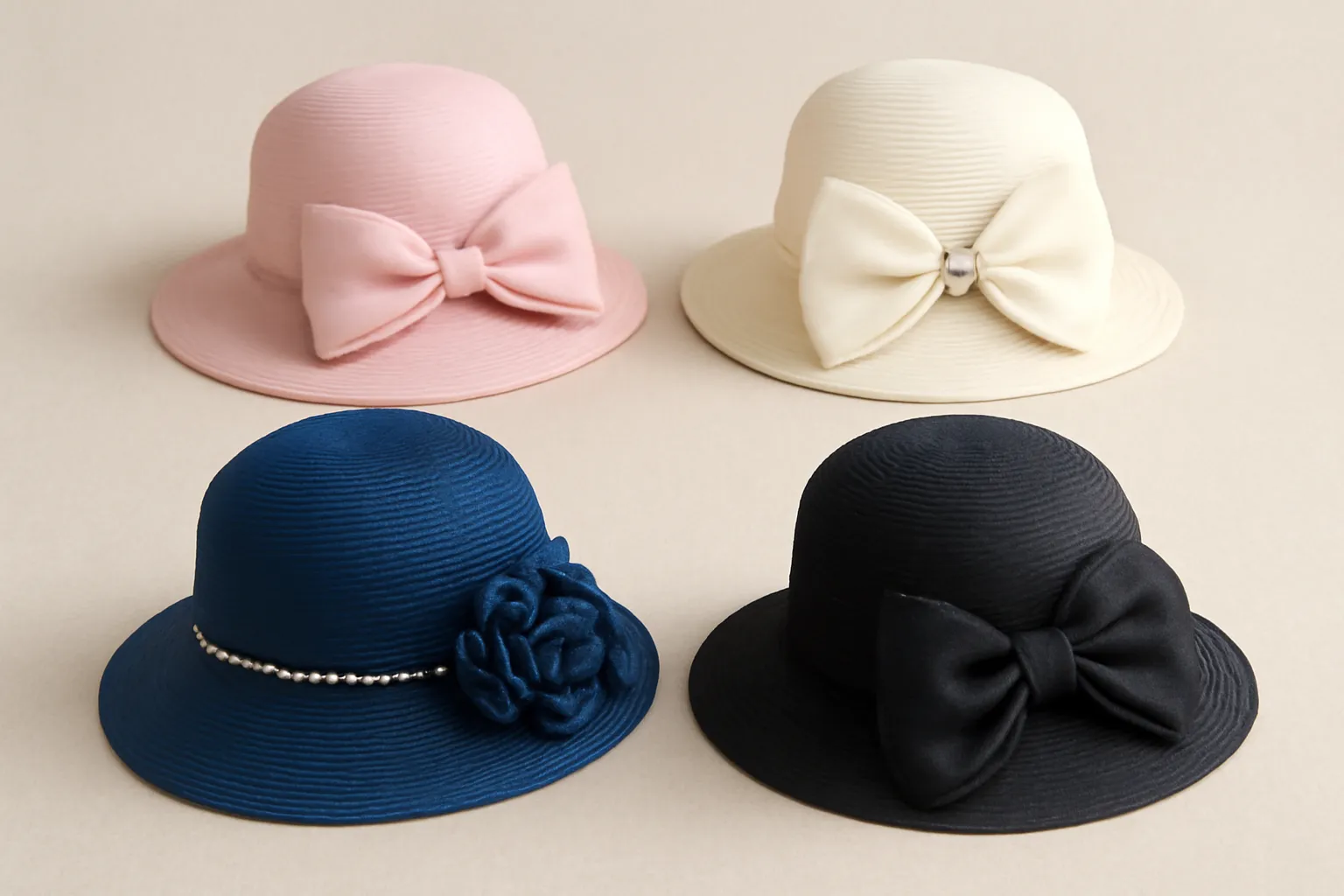
Cloche hats and other soft, rounded toppers offer vintage charm with a modern edge. These hats are particularly flattering on certain face shapes and can be worn with modest necklines and structured skirts. For a Sunday service, choose a cloche in a matte fabric, perhaps with a subtle buckle or ribbon, to avoid overwhelming the wardrobe. Soft hats can be more comfortable for long services and can be easily adjusted to sit at the right angle on the head.
Bonnets and Bonnet-Style Headpieces
Bonnets evoke a classic churchgoing look and can be adapted to many outfits. They often wrap around the head with a gentle curvature and may incorporate delicate embroidery, lace, or tiny floral accents. Contemporary bonnet styles include small satin caps with decorative trim that stay secure without sliding. These options are ideal for modest dressing and can be especially appropriate for more traditional congregations or cultural events within a church community.
Turban styles offer a chic, contemporary alternative to traditional hats. They can be wrapped with fabric bands, adorned with brooches, or feature a gathered crown. Turbans are a good option for those who want a sleek silhouette that remains comfortable for longer services. When wearing a turban hat, consider the neckline and jewelry—statement earrings can complement the look without competing with the hat’s design.
Veiled Hats and Veil Accents
Veiled hats bring a touch of old-world elegance and mystique. A veil element can be detachable or sewn into the hat for versatility. Veils range from short shoulders to longer, floor-length drapes. If you opt for a veil, ensure it is light enough not to obstruct vision or movement, and coordinate with your dress’s collar style to maintain harmony across the silhouette.
Seasonal and Occasion-Specific Variations
In addition to core shapes, many wearers incorporate seasonal textures and event-specific embellishments—for example, satin ribbons for weddings held at a church, or natural fibers and earth tones for eco-friendly church gatherings. Some communities celebrate particular holidays with ceremonial headpieces that feature color symbolism or iconography significant to their tradition.
Color, Fabric, and Ornamentation
Color choices and fabric textures play a crucial role in how a hat reads from pew to pew. Color coordination with the outfit and with the church’s decor helps create a cohesive, respectful appearance. Consider the following guidelines:
Color harmony should extend across accessories, including shoes, belt, or jewelry, so the hat does not feel out of place.
Matte finishes often read as more formal and timeless, while slightly satin or brocade textures can add depth without appearing flashy.
For warmer climates, lighter fabrics such as straw, sinamay, or lightweight felt keep the look breathable and comfortable.
In cooler seasons, consider felts, velvet, or wool blends for a structured silhouette that stays put in drafts or wind outside.
Ornamentation should be deliberate. A single bow, a tasteful flower, or a modest veil can elevate an outfit without drawing excess attention. Over-embellishment—such as heavy feathers, oversized bows, or dense veils—can overwhelm a look and distract from the service. The goal is to achieve graceful balance.
Etiquette for Wearing Hats in Church
Etiquette around church hats blends respect for tradition with personal style. Adhering to thoughtful norms helps maintain the sacred atmosphere of worship while honoring diversity in dress. The following guidelines are commonly observed in many congregations, though local rules may vary.
Observe the church’s expectations: Some congregations expect hats indoors as a sign of order and reverence, while others may encourage removing hats during certain parts of the service or inside specific rooms.
Wear it for the right reasons: Hats should reflect respect for the sacred space, not as a mere fashion statement or status symbol.
Fit and comfort: Ensure your hat sits securely and comfortably for the duration of the service. A properly fitted hat reduces the need to adjust it during prayers or hymns.
Avoid disruption: Large brims, long veils, or heavy materials can impede others’ visibility or movement. Consider pew placement and the church’s layout when selecting your hat.
Mind the weather: Outdoor processions, parking lots, or entrances can be windy or rainy; choose headwear with secure fastenings (clips, headbands, or lightweight combs) to prevent shifting or loss.
Removal etiquette: If the service requires removing hats, do so with quiet dignity, timing it during a moment of reflection or a lull in the service, and keep the hat off until you return to your seat or the service concludes, as directed by the deacon, usher, or worship leader.
Peer considerations: If you are attending with children or elders, consider comfort and safety for everyone—avoid hats that could be a tripping hazard or cause discomfort in crowded spaces.
Respect for modesty: Some hats that reveal too much or are overly extravagant may clash with a church’s modest dress expectations. When in doubt, choose a design with a tasteful profile and a modest color palette.
In communities with more formal traditions, hats may be part of a Sunday best aesthetic that includes coordinated outfits, gloves, and carefully chosen jewelry. In other contexts, hats may be embraced as a practical and fashionable element of personal expression. The key is to align your choice with the church’s spirit, your personal faith, and the overall ambience of the service.
Choosing the right hat is both an art and a practical exercise. The process can be guided by a few essential questions and steps that help you select a hat that flatters your features, coordinates with your wardrobe, and respects the community you worship with.
Assess your face shape and proportions: Hats can accentuate or soften certain features. For example, a broad hat with a prominent brim can balance a long face, while a more compact pillbox may suit rounder faces. Consider your neck length, jawline, and overall silhouette when selecting a shape.
Define the scale relative to your outfit: A bold, wide-brim hat pairs well with a tailored column or A-line dress, while a delicate fascinator or pillbox complements a simpler silhouette. The hat should harmonize with the dress, not overwhelm it.
Coordinate color thoughtfully: Choose a color that either matches a key color in your outfit or provides a tasteful contrast that enhances the ensemble. You can opt for monochrome harmony (different textures in the same shade) or a complementary color that adheres to the overall palette.
Consider the venue and season: Outdoor elements, such as wind or sun, influence hat design and materials. In summer, lighter fabrics with breathable construction keep you comfortable; in winter, more structured felts and velvets offer warmth and stability.
Evaluate your comfort and security: The hat should stay in place during movement, singing, or standing for prayers. A hat with a secure band, combs, or a discreet headband is often more reliable than loose-fitting options.
Reflect your personal faith and heritage: If you come from a tradition that honors cultural headpieces, feel free to incorporate meaningful motifs, colors, or textures that honor that heritage while remaining respectful of the service.
Budget wisely: Hats come in a range of prices. Set a sensible budget that reflects your frequency of use, desired quality, and whether you aim for a seasonal rotation or occasional statement piece.
Practical tips for choosing by scenario:
For a formal church wedding or a holiday service, a statement hat with tasteful embellishment can elevate the entire look—just avoid over-ornamentation that distracts from the ceremony.
For regular Sunday services, a versatile staple such as a pillbox, a simple fascinator, or a classic wide-brim can serve for months without feeling out of place.
If you wear hats regularly for a church group or choir, consider having a few interchangeable pieces that can be mixed and matched with different outfits.
Care and Maintenance of Church Hats
To keep your hat in peak condition, adopt a simple maintenance routine that protects its shape, color, and embellishments. The following practices help extend the life of your headwear:
Storage: Use a hat box or a sturdy container with support to maintain the crown’s shape. For brimmed hats, a wide hanger or upright display can prevent warping.
Cleaning: Dust hats regularly with a soft brush or lint roller. For fabric hats, follow the care label instructions; for straw or sinamay, avoid heavy moisture and store in a dry area. Velvet hats benefit from gentle brushing with a velvet brush.
Repairs: Check embellishments, ribbons, and veils for loose threads or beads. Secure or replace as needed to prevent losses during wear.
Protection: Use a protective spray for certain fabrics if recommended by the manufacturer, and keep hats away from direct sunlight to prevent fading.
Transportation: When traveling to church, pack hats in their boxes or wrap them in tissue and place them in a car trunk or secure luggage to minimize movement and crushing.
Where to Shop and Budget Considerations
Finding the right hat is about matching your style with practicality and budget. There are multiple avenues to explore, depending on your goals—whether you want a timeless piece that lasts for years or a seasonal accessory that reflects current fashion trends.
Specialty millinery shops offer curated selections with expert fitting advice and craftsmanship. These shops typically carry a range of classic and contemporary styles, and staff can help you find the shape and size that flatter your features.
Department stores and fashion retailers often provide affordable options and seasonal collections. Look for hats with structured crowns and comfortable linings.
Online retailers can be convenient for comparing styles, colors, and prices. Be sure to check size guides, return policies, and customer photos to judge fit accurately.
Secondhand or vintage shops offer unique pieces with character. When buying vintage, inspect the crown for wear and ensure the hat can be worn safely with current outfits and head support.
Rentals are an option for special occasions. Some people prefer to rent a high-fashion piece for a wedding or holiday service while maintaining a modest budget.
Budget wise, plan to allocate funds not only for the hat itself but for related accessories and care supplies. Remember that a quality hat usually pays off in durability and comfort, while an inexpensive piece may need replacement more often. A thoughtful approach combines cost, longevity, and the ability to coordinate with multiple outfits.
Hats in church settings have cultural variation across continents and communities. In some traditions, hats symbolize renewal, respect, and the communal experience of worship. In other contexts, hats may be a marker of social events or family heritage—grandmothers passing down heirloom pieces, or church groups coordinating colors for a special service. Understanding this history can deepen your appreciation for the practice and help you select a hat that respects both personal meaning and communal customs. In the modern era, many wearers blend heritage pieces with contemporary design, allowing for creativity while preserving reverence for the sacred space.
Practical Styling Guide: Matching Hat Styles to Common Sunday Attire
A practical approach to styling ensures your hat complements your outfit and the tone of the service. Here are some pairing ideas:
Bold wide-brim hat with a tailored sheath dress in a solid color for a formal service or guest preacher day.
Pillbox in a neutral with a crisp blouse and pencil skirt for a conservative church setting or weekday-turned-weekend event.
Fascinator with a knee-length A-line dress and a light cardigan for a spring service or family celebration.
Cloche or soft hat with vintage-inspired outfits for a retro-chic look at a Sunday brunch after church.
Turban with a modern, minimalist dress and bold jewelry for a contemporary congregation that welcomes fashion-forward silhouettes.
Inclusive Perspectives: Hats in Diverse Communities
Church communities are increasingly diverse, and hat etiquette can mirror that diversity. Some churches celebrate vibrant headpieces that reflect cultural heritage, while others encourage a more modest, subdued appearance. In many communities, hats are a means of expressing identity and inclusion, provided they are worn with respect for the service and its participants. If you are new to a congregation, observe what others wear, ask politely about expectations, and consider starting with a classic, versatile piece before branching into more adventurous designs.
Frequently Asked Questions (FAQs)
Do men wear hats to church as part of this tradition?
Historically, men have worn hats to church in various cultures as part of formal attire. In many modern congregations, men may wear a fedora, derby, or classic top hat for very formal occasions, though it is less common in casual services. If you are unsure, follow the lead of the congregation or ask a church leader about expectations.
If you forget your hat, you can still participate fully in the service. Hats are optional in many churches, and your presence and participation are what matter most. If you wish to wear a headpiece, you might borrow a hat from a friend or church member or choose a simple head wrap that aligns with local norms.
How do I choose a hat for an outdoor service vs. an indoor service?
For outdoor services, consider sun protection and wind stability. A wide-brim or structured hat with a secure fit is helpful. For indoor services, you might opt for a smaller, less conspicuous piece that’s comfortable for long pew seating. In both cases, ensure the color and style harmonize with your outfit and the formality of the occasion.
Are there ethical or sustainability considerations when buying church hats?
Indeed. You can prioritize sustainability by choosing hats made from durable materials, supporting local milliners, and selecting pieces that you can wear across multiple seasons. Some buyers look for ethically produced fabrics and transparent supply chains. Reusing or renting a hat for multiple events reduces waste and encourages thoughtful consumption.
Final Thoughts
Church hats offer a rich blend of tradition and personal style. They invite wearers to present themselves with intention, to honor their community, and to participate in worship with a sense of dignity and joy. Whether you favor a dramatic wide-brim figure that commands attention, a quiet pillbox with a subtle accent, or a modern fascinator that hints at contemporary fashion, the best hat for Sundays is the one that makes you feel confident, comfortable, and connected to the service you attend. By considering style, etiquette, and function, you can choose a hat that respects the sacred space while reflecting your own faith and aesthetic. Remember: the goal is to enrich the worship experience—not to overshadow it.




Publicar comentario