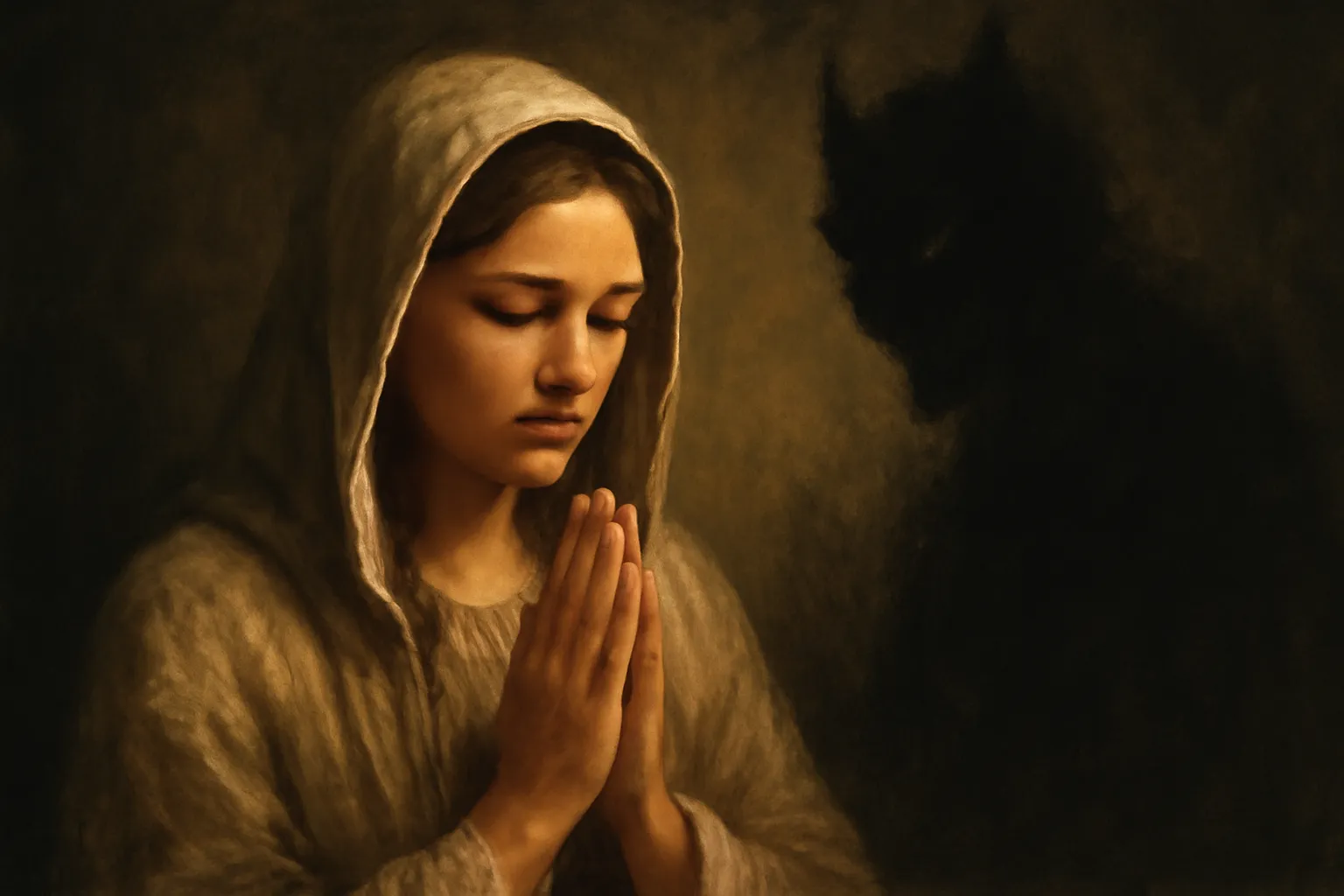
Prayer for Protection Against Evil: What It Means and How It Can Help
Across cultures and faith traditions, many people turn to prayer for protection against evil as a way to cultivate a sense of safety, resilience, and moral clarity. This article offers an in-depth, practical guide to protective prayer—covering different styles, traditional sources, contemporary applications, and a framework you can adapt to your own beliefs and life circumstances. The goal is not to promise outside force fields or magical guarantees, but to provide meaningful language, structures, and habits that can support your sense of security and well‑being.
When we speak of protection against evil, we are often talking about more than warding off external harm. It can also mean guarding the mind from fear or despair, setting healthy boundaries, cultivating virtuous habits, and inviting guidance during moments of temptation, danger, or uncertainty. A robust practice blends inner discipline and outer safeguards, pairing reflective prayer with practical steps in daily life.
Foundations of Protection: Inner and Outer Safeguards
A thoughtful approach to protection against evil recognizes that safety is multi‑dimensional. You can think in terms of two broad pillars: inner safeguards (mental, emotional, spiritual resilience) and outer safeguards (environment, boundaries, routines, community). Both are important, and they reinforce one another.
Inner safeguards
Clarity of intention: know why you are praying and what you hope to nurture—courage, wisdom, calm, or discernment.
Mindful awareness: practice noticing fear, intrusive thoughts, or temptations without judgment, then redirect with a protective prayer or breath work.
Healthy boundaries: commit to safe interactions, honest communication, and limits that protect your well‑being.
Ethical living: align actions with values that promote safety for yourself and others (compassion, nonviolence, responsibility).
Regular spiritual practice: consistency builds confidence and reduces spiritual or emotional vulnerability.
Outer safeguards
Physical environment: secure doors and lighting, clean spaces, and a sense of order can contribute to a feeling of safety.
Routines and rhythms: predictable schedule, rest, and down‑time support emotional stability.
Community and accountability: trusted friends, family, or mentors who can offer support and accountability.
Practical precautions: safety plans, emergency contacts, and awareness of potential risks in specific contexts (home, travel, work).
Practical Prayers for Protection Against Evil
Below you will find a variety of prayer styles designed to suit different circumstances, time frames, and spiritual leanings. Each section includes practical examples you can speak aloud, meditate on silently, or adapt into your own words. Consider carrying a small collection of these prayers in a journal or a digital note so you can access them when you need protection in a moment of fear or danger.
Short Breath Prayers: Instant Protection
Breath prayers are concise phrases you recite in rhythm with your breathing. They are quick to use in moments of stress or danger and can help ground you in the present moment.
“Protect me now, keep me safe.”—an immediate, direct request for shelter and steadiness.
“I breathe in safety; I release fear.”—a simple pairing of inhalation and exhalation that reframes the moment.
“Guard my heart, guide my steps.”—a compact line for discernment plus protection.
“Be my shield, be my peace.”—a gentle, universal petition for defense and calm.
Daily Protective Prayers: Morning and Evening Routines
Establishing a daily rhythm helps weave protection into ordinary life. Here are two practical templates you can customize.
Morning protection prayer: “As I begin this day, I ask for divine guidance, clarity, and courage. May all my steps be grounded in love and truth, and may I be shielded from harm that is not meant for me.”
Evening protection prayer: “As night falls, I entrust my rest to your care. May my dreams be free from fear, may I awaken with renewed strength, and may the boundaries I set today stand firm tomorrow.”
Protection Prayers for Specific Situations
Different contexts invite slightly different language. Use these as starting points and adapt to your needs.
At home: “Protect this dwelling and all who enter it. Make this space a sanctuary of safety, peace, and honest conversation.”
On the road or when traveling: “Guide my steps, shield my vehicle, and keep me mindful of others. May I arrive safely at my destination.”
In times of temptation or fear: “Give me strength to choose what is good, and the courage to walk away from what harms.”
In medical or emotional crisis: “Grant calm, clarity, and relief from distress. Surround me with compassion and competent care.”
Scriptural and Traditional Prayers for Protection
Many people find meaning in traditional texts and liturgical prayers. Here are carefully chosen examples you can recite or adapt, depending on your tradition.
Psalm 91: A classic protective psalm often read for safety and refuge. You can use this as a reading, a spoken prayer, or a meditative focus.
The Lord’s Prayer (Our Father): A universal, trusted appeal for guidance, daily provision, and deliverance from evil.
Saint Michael the Archangel Prayer: An invocation for protection against evil forces, widely used in many Christian traditions.
Prayer for Protection in Faith Traditions: Adapt quotes or lines from your own sacred texts to align with personal beliefs while keeping the core request for safety and discernment.
If you follow a specific tradition, consider noting the exact verses, phrases, or litanies that remind you of strength and safety. You may also weave these lines into your own spoken words to create a personalized protective liturgy.
Engaging the Senses: Rituals and Practices That Invite Protection
Rituals can help anchor protection prayer in tangible acts, making it easier to focus and remember your intention. The following ideas are symbolic rather than magical guarantees; they function as reminders of your commitment to safety and ethical living.
Lighting a candle: A simple ritual for beginning or ending a protection prayer. As the flame shines, consider your intentions for safety and calm.
Rinsing with water or holy water paraphernalia: A symbolic cleansing that helps you reset and reframe the moment.
Sprinkling with salt: A traditional symbol of purification and boundaries; use with care and intention in a safe space.
Using icons, prayer beads, or sacred objects: Objects that remind you of protection can be held during prayer or placed in a visible position in your space.
Incense or fragrance: Gentle scents can help focus attention and create a calm atmosphere conducive to prayer and reflection.
Prayers for Modern Times: Digital and Global Awareness
Protection in today’s world often includes digital safety and social responsibility. These prayers address contemporary concerns while preserving a sacred frame.
Digital discernment prayer: “Grant me wisdom to protect my online presence, kindness in my communications, and patience when tempted to harm or mislead.”
Justice‑oriented protection: “May safety extend beyond myself to all beings who suffer injustice. Guide me to act with courage and compassion.”
Global safety prayer: “Protect the vulnerable, preserve the innocent, and sustain the peace where there is conflict.”
Creating a Personal Prayer Plan
To make protection prayers meaningful over time, consider building a personal practice plan. A plan helps you stay intentional, track your progress, and adapt prayers to changing circumstances.
Define your intention: What kind of protection do you seek? Safety, discernment, resilience, or something else?
Choose a set of prayers: Pick two or three short breath prayers, one daily routine prayer, and one longer scriptural or traditional prayer you feel drawn to.
Set a schedule: Decide on a morning routine, an evening routine, and a moment for crisis prayers during the day if needed.
Create a sacred space: A small altar, a corner of a room, or a digital note that holds your prayers and reminders.
Record your experience: A journal that logs what you prayed for, how you felt afterward, and any outcomes or insights you notice over time.
Sample Personal Prayers You Can Adapt
Below are ready‑to‑use samples in a range of tones. Feel free to adapt them to your language, tradition, and needs.
Protective Invocation (neutral): “Source of light and safety, shield me from harm and misdirection. Grant me calm clarity, steady courage, and compassionate strength for myself and others.”
Protection for a loved one: “Watch over [Name], guard their steps, and keep their heart from fear. May they walk in wisdom and return home in peace.”
Protection during hardship: “In the midst of trial, let your presence be a calm harbor. Help me discern truth from distraction and move with hope toward healing.”
Protection at a new location: “Be a shelter as I enter this new space. May I sense safety, respect boundaries, and cultivate positive beginnings.”
Common Themes Throughout Protection Prayers
While the words and sources may vary, several enduring themes recur in protect‑against‑evil prayers. Recognizing these can help you connect with your practice more deeply, regardless of tradition.
Protection as refuge: A place of safety where fear is acknowledged but not allowed to control action.
Guidance and discernment: Requests for wisdom to recognize danger, temptation, or deception and to choose what is right.
Boundaries and separation: The idea that safety includes healthy boundaries that separate one from harm.
Compassion and responsibility: Protecting others through humane action rather than coercive force.
Even well‑intentioned prayer practice can drift into less helpful patterns if you’re not mindful. Here are some common missteps and practical ways to correct them.
Relying solely on prayer: Prayer is powerful as a source of clarity and calm, but it works best when paired with practical safety measures, like awareness, planning, and community support.
Fear‑driven prayers: If your language is dominated by fear or condemnation, try reframing to invite steadiness, compassion, and constructive action.
Rigid forms without adaptation: Use traditional prayers as a foundation, but allow your own voice to evolve with your experiences and needs.
Comparative guilt or shame: Do not equate danger or misfortune with personal failing. Protecting oneself is not a moral indictment; it is a legitimate priority.
Frequently Asked Questions About Protection Prayers
Here are concise answers to common questions readers have when exploring prayer for protection against evil concepts.
What is the purpose of a protection prayer?
A protection prayer serves to articulate a desire for safety, discernment, and resilience while grounding your actions in moral intention and calm presence.
Can prayer really keep me safe?
Prayer is not a guarantee of physical protection, but it can strengthen your posture, reduce fear, sharpen discernment, and inspire prudent actions that contribute to safety.
How long should a protection prayer take?
Even a minute can be meaningful. Consistency matters more than duration; a short, steady routine typically has a greater impact than irregular long sessions.
Is it okay to use secular language in protective prayers?
Yes. The essence of protection prayers can be expressed in non‑religious terms that emphasize care, courage, and ethical living while preserving your personal beliefs.
A well‑rounded approach to prayer for protection against evil recognizes that safety is both internal and external. By pairing purposeful language with practical steps—clarity of intention, healthy boundaries, and a supportive community—you can cultivate a resilient posture that helps you navigate danger, temptation, and fear with calm, compassion, and moral strength.
Remember that protection is not about avoidance alone. It is also about preparing to respond wisely, caring for others, and seeking truth in difficult moments. Whether you draw on ancient texts, personal revelations, or simple breath prayers, your practice can become a steady anchor in stormy times and a bright, guiding light in everyday life.
Appendix: Quick Reference for Variation and Semantics
To enhance semantic breadth and help you search or tailor content, here is a compact glossary of phrases and variants you can mix into your practice. Use them to expand the language of your protection prayers while maintaining a consistent core message: safety, discernment, and care.
Protection prayer — general term that encompasses all forms of safeguarding language.
Prayers for safety against harm — emphasizes external safety from threats.
Shield against evil — metaphorical frame for boundary setting and resilience.
Guarding light — a poetic image suggesting illumination, truth, and safety.
Divine protection and spiritual safeguarding — language rooted in sacred aid.
Prayers for discernment — focuses on wisdom to recognize danger or deception.
Boundary prayers — center on establishing and maintaining healthy limits.
If you would like, I can tailor a personalized set of prayers based on your faith background, preferred language style (contemporary, traditional, or hybrid), and the contexts in which you want protection (home, work, travel, online spaces, or personal relationships). This article provides a flexible framework you can reuse and remix as your life evolves.







Publicar comentario