Repent Prink Prayers: A Practical Guide to Forgiveness
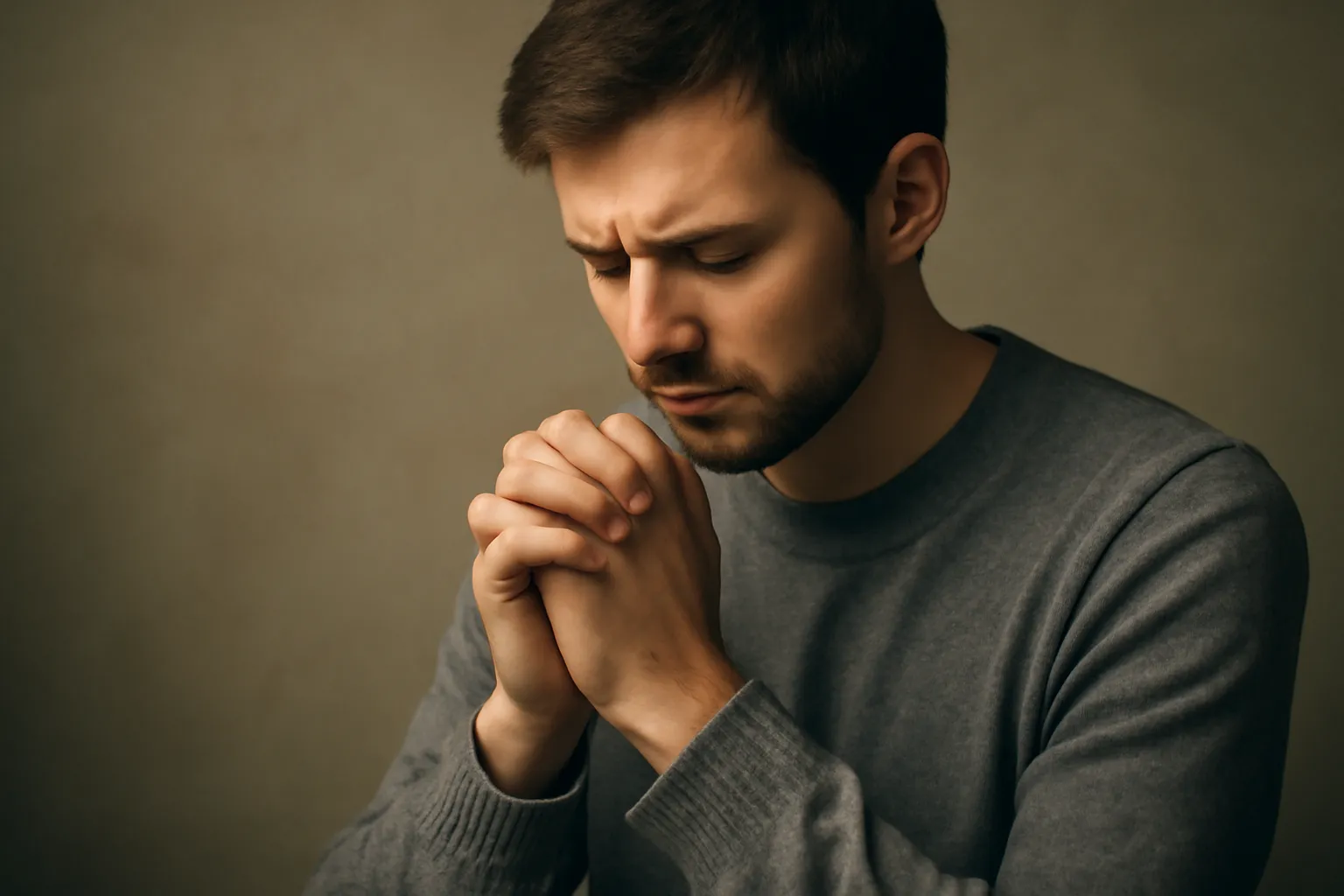
In many spiritual traditions, repent prayers are more than words spoken aloud; they are a deliberate act of turning away from what harms us and others, and turning toward healing, integrity, and renewal. A repent prayer is a humble acknowledgment of hurt caused, a sincere request for forgiveness, and a commitment to live differently in the days ahead. This article offers a practical guide to understanding, composing, and using repent prayers as a path to forgiveness, inner peace, and personal transformation.
What is a repent prayer?
A repent prayer is a form of communication with the divine, the universe, or one’s own higher conscience that centers on remorse for wrongdoing and a pledge to amend one’s life. It typically involves several core elements: acknowledgment of the harm, remorse or sorrow for it, a request for forgiveness, and a concrete plan to change behavior. While the language and emphasis may differ across traditions, the underlying aim is consistent: to restore relationship—first with the sacred, and then with other people and with one’s own self.
Key terms and ideas
Repentance (often translated as metanoia in some traditions) means turning around—a shift in thinking and living rather than merely regretting an action.
Confession is the disclosure of what has been done wrong, sometimes before God, others, or in private prayer.
Amendment of life refers to the practical commitments that demonstrate the intention to live more righteously or ethically moving forward.
Forgiveness is the healing release that may be sought from God, the community, or one’s own sense of guilt.
Why practice repent prayers?
There are several tangible and intangible benefits to regularly engaging in repent prayers. Here are some of the most commonly reported outcomes:
Inner clarity: naming wrongdoing and admitting harm clarifies one’s moral weather and helps reset priorities.
Emotional relief: expressing remorse and asking for forgiveness can relieve guilt and anxiety that build up over time.
Restored relationships: when repentance is paired with sincere steps toward amends, trust can be rebuilt with others who were affected.
Spiritual growth: the practice encourages humility, gratitude, and dependence on something larger than oneself.
Behavioral change: repentance is not merely a feeling; it is a catalyst for practical change—new boundaries, new habits, and new commitments.
Resilience: facing wrongdoing honestly develops moral courage and resilience in the face of temptation or failure.
The anatomy of a repent prayer
Though no two prayers are exactly alike, most effective repent prayers share a recognizable structure. Understanding this anatomy can help you craft something that feels accurate and powerful for you.
1. Acknowledgment
Begin by clearly naming what was done and whom it affected. This is not about excusing the action but about taking full responsibility. Use explicit language so there is no ambiguity about what you regret.
2. Remorse
Allow yourself to feel the weight of harm caused. Remorse is not a public display or performance; it is an honest encounter with your own conscience. Acknowledge that the consequences extend beyond your own feelings.
3. Confession
Confession can be directed toward God, the higher power you acknowledge, or your deepest sense of conscience. It can also be explicit or more reflective, depending on your context and tradition.
4. Request for forgiveness
You may ask for forgiveness from God, from others you have harmed, or from your own inner self. In some traditions, forgiveness is sought through intercession, grace, or divine mercy.
Outline concrete steps you will take to repair the harm and prevent recurrence. This might involve restitution, boundary-setting, seeking accountability, or changing routines that led to the wrongdoing.
6. Request for strength and guidance
Ask for help to sustain the changes you intend to make, whether through grace, wisdom, or practical resources such as mentors, therapy, or supportive communities.
7. Gratitude or praise
Close with gratitude for the opportunity to seek forgiveness, the possibility of renewal, and the ongoing support of the sacred or the community.
Variations of repent prayers across traditions
Different faith traditions articulate repentance in ways that reflect their own theology and practice. Here are brief, respectful overviews of how repent prayers appear in several contexts. The aim is to recognize variation while keeping the focus on the universal pursuit of forgiveness and renewal.
Christian prayers of repentance
Within Christian communities, repent prayers are often heard in daily devotions, liturgical settings, and private moments of confession. Common features include a confession of sin, an appeal to God’s mercy, and a resolve to avoid sin in the future. Some Christians find strength in asking Jesus to take the burden of guilt, while others emphasize a direct appeal to God’s righteousness and grace. A typical Christian repent prayer might include phrases such as, “Forgive me for my sins and cleanse me from all unrighteousness,” coupled with a pledge to live more lovingly and to serve others in humility.
Judaism: Teshuva and Vidui
In Judaism, the practice closest to repentance is teshuva (return or repentance), which includes recognizing misdeeds, feeling genuine remorse, making restitution, and committing not to repeat the offense. The formal prayer of confession, vidui, often appears in communal settings during certain seasons, but personal repentance prayers are also common. Jewish prayers emphasize accountability to community and the impact of actions on the divine presence and communal harmony.
Islam: Istighfar and Taubah
In Islam, repentance is called taubah or istighfar (seeking forgiveness). A repent prayer in this tradition centers on acknowledging mistakes, seeking forgiveness from Allah, and intending to return to righteous behavior. The emphasis is on sincerity, remorse, and a practical commitment to avoid what led to sin, often accompanied by acts of worship, charity, and ethical conduct to repair one’s standing with God and the community.
Other spiritual frameworks
Many secular or non-religious seekers use repent prayers as a form of inner moral inventory. In these contexts, the prayers may be phrased as intentions or affirmations rather than appeals to a deity. The essential components—acknowledgment, remorse, accountability, and a plan for change—remain central even when framed as personal vows or ethical commitments.
A practical guide to crafting your own repent prayer
Whether you are new to this practice or returning after a period of distance, a practical approach can help you craft a meaningful prayer that resonates with your beliefs and life situation. Below is a step-by-step method you can adapt to your own tradition or secular framework.
Set a calm space—find a quiet time and place free from distractions where you can think clearly and speak honestly.
Decide your scope—will this prayer address a specific action, a pattern of behavior, or a broader sense of wrongdoing?
Identify affected parties—name the people or communities harmed, and, if appropriate, reflect on how you contributed to that harm.
Articulate acknowledgment—state clearly what happened and take responsibility without excuses.
Express remorse—describe how you feel about the hurt caused and why it matters to you to change.
Ask for forgiveness—whether from God, the universe, your higher self, or from those you have harmed; recognize that forgiveness may take time and may involve others’ responses.
Commit to change—a concrete plan to repair damage, adjust behavior, and strengthen virtues or boundaries.
Ask for support—seek strength, courage, and accountability through prayer partners, mentors, or a supportive community.
Close with gratitude or praise—thank the sacred, the moral order, or your own sense of conscience for the opportunity to grow.
Here is a simple template you can adapt. Feel free to modify the order or language to fit your tradition or preference:
Template: God/Universe/Higher Self, I come before you acknowledging that I have harmed others by my [specific action]. I am truly sorry for the pain I caused, and I take full responsibility for my actions. Please forgive me and guide me toward healing. I commit to [specific changes] and to seek help from [supportive people or communities] to live more righteously. Thank you for your mercy and for the strength to begin anew.
Ready-to-use repent prayers
Below are several ready-to-use formats you can copy, adapt, or read aloud as part of your practice. Each is designed to be practical, sincere, and adaptable to different faiths or belief systems. The emphasis is on genuineness and concrete action.
Short one-line repent prayer
Lord/Allah/Source of mercy, I admit my wrongs and ask for forgiveness and the strength to do better, today and tomorrow.
Daily practice prayer (2–3 minutes)
Heavenly Father/Compassionate Spirit/Creator of all beings, I come with a heavy heart for the harm I have caused through my [specific behavior]. I am deeply sorry. Please forgive me, and help me to turn away from this path. I commit to [action steps], to learn from this moment, and to extend kindness to those I have hurt. Amen.
Long form repent prayer (for times of deep hurt or recurring patterns)
O God of mercy, whose love is greater than my mistakes, I confess that I have sinned against you and against others through [specific actions]. My heart is heavy with remorse, and I feel the consequences of my choices. I ask for your forgiveness not only in word but in deed, so that I may live in truth. Help me to repair what I have damaged, to restore trust, and to guard my heart against repeating this fault. Grant me the courage to set healthy boundaries, the wisdom to seek counsel, and the perseverance to pursue amendment of life. May your grace empower me to become a more compassionate and honest person. Amen.
Prayer for forgiving others and seeking reconciliation
Lord of peace, I acknowledge the harm I have caused others by my actions and I pray for those I have hurt to find healing. If there is any way I can make restitution, please reveal it to me and give me the humility to follow through. Open my heart to forgive as I have been forgiven, and guide me toward pathways of reconciliation where possible. Amen.
Prayer for self-forgiveness
Merciful Source, I find it hard to forgive myself for [specific mistake]. Help me to release the burden, learn the lesson, and move forward with wisdom. Remind me that I am more than my failures and that your mercy is greater than my fault. Enable me to live with integrity and compassion, starting now. Amen.
Making repent prayers a regular practice does not require dramatic changes in your life. Small, consistent steps can have a powerful cumulative effect. Here are practical ways to weave repent prayers into everyday routines:
Morning intention: begin the day with a brief repentance reflection, acknowledging any expectations or patterns you want to adjust.
Evening review: end the day by listing any moments of hurt you caused and planning restitution or repair where feasible.
Journaling: keep a dedicated page for your sermons of remorse, confession, and renewal, noting insights and progress.
Accountability: partner with a trusted friend, mentor, or spiritual guide who can offer feedback and encouragement.
Rituals: integrate small acts of repair, such as apologizing to someone you owe, making amends, or adjusting harmful habits.
Public or group practice: participate in a group vigil, service project, or communal confession if your tradition supports such rituals.
Lingering presence of grace: remind yourself that forgiveness is not earned by perfection but by sincerity and ongoing effort.
To get the most out of repent prayers, consider the following guidelines. They can help you avoid common pitfalls and deepen your sense of authenticity.
Be specific: vague remorse tends to fade; naming the particular action and its impact creates clarity.
Avoid justification: resist defensive language or explanations that shift responsibility away from your choices.
Match your heart and words: let your language reflect how you truly feel, not just what you think you should say.
Pair prayer with action: commit to visible, measurable steps toward change, not merely inward feelings.
Practice compassion: acknowledge the humanity of others involved and avoid shaming them in your prayers.
Allow time: forgiveness can be a process; give yourself and others time to heal and respond.
Adapt to context: tailor the formality, structure, and language to fit the setting—private prayer, family devotions, or community liturgy.
Common obstacles and how to overcome them
Even with good intentions, people encounter hurdles in the practice of repent prayers. Here are some frequent challenges and practical ways to address them:
Ritual fatigue: if prayers feel hollow, refresh the language, switch to a shorter form, or insert a personal anecdote that connects to your life.
Shame and perfectionism: recognize that forgiveness is about ongoing growth, not about flawless behavior; treat repentance as a journey rather than a verdict.
Reluctance to forgive oneself: separate forgiving yourself from condoning harmful behavior; practice self-compassion while holding yourself accountable.
Relational fear: if reaching out to repair relationships feels risky, begin with a sincere intention and small, respectful steps, and seek guidance from a trusted advisor.
Over-reliance on ritual: prayers are a means to transformation, not an end in themselves; pair words with tangible changes and accountability.
Here is a compact glossary of terms you may encounter when exploring repent prayers. Understanding these terms can deepen your practice and help you articulate your intentions more clearly.
Metanoia — a Greek term often translated as repentance, emphasizing a transformative change of mind and life.
Teshuva — in Judaism, the process of returning to right behavior, including remorse, confession, and restitution.
Vidui — the formal confession prayer in Jewish tradition, often used during certain seasons or personal devotion.
Taubah — in Islam, repentance to God, usually accompanied by deeds that demonstrate sincerity and a change in behavior.
Istighfar — seeking forgiveness from God, frequently expressed as prayers for mercy and entitlement to forgiveness.
Amendment of life — the practical, ongoing effort to reform behavior and align life with moral or spiritual ideals.
Conclusion: embracing repentance as a path to wholeness
Repent prayers are not merely an exercise in remorse. They are a doorway to healing relationships, renewed purpose, and deeper alignment with your values. By approaching repentance with honesty, courage, and a clear plan for change, you invite a sustained transformation that can improve every area of life—your inner world, your interactions with others, and your broader sense of purpose. Whether you come from a specific tradition or engage with the practice in a more personal, eclectic way, the core practice remains the same: acknowledge harm, seek forgiveness, commit to change, and hold yourself accountable with grace and perseverance. May your journey toward forgiveness and peace be steady, sincere, and life-affirming.





Publicar comentario