7 Capital Sins with Meaning: Understanding the Seven Deadly Sins and Their Significance
The seven capital sins, also known as the seven deadly sins or cardinal sins, are a traditional framework in Christian moral theology for understanding the roots of human vice. They are not simply arbitrary lists of bad behavior; they are conceptual tools that explain how certain dispositions can generate other sins and ethical failures. In this article, we explore the seven capital sins with meaning by examining their definitions, historical origins, psychological interpretations, and their relevance in contemporary life. We will look at each sin in detail, offer modern examples, and discuss the virtues that counterbalance them. The goal is to provide a nuanced, practical guide to recognizing these tendencies and cultivating healthier habits.
The concept of the seven deadly sins traces its deepest roots to early Christian thinkers who sought to categorize root causes of moral wrongdoing. They are sometimes described as capital vices because they generate other sins and harmful actions. The list has appeared in various forms throughout history, evolving with theological reflection and cultural contexts. In broad terms, these sins correspond to fundamental distortions in how a person thinks, desires, and acts. When one of these dispositions becomes dominant, it can warp a person’s choices, relationships, and sense of purpose.
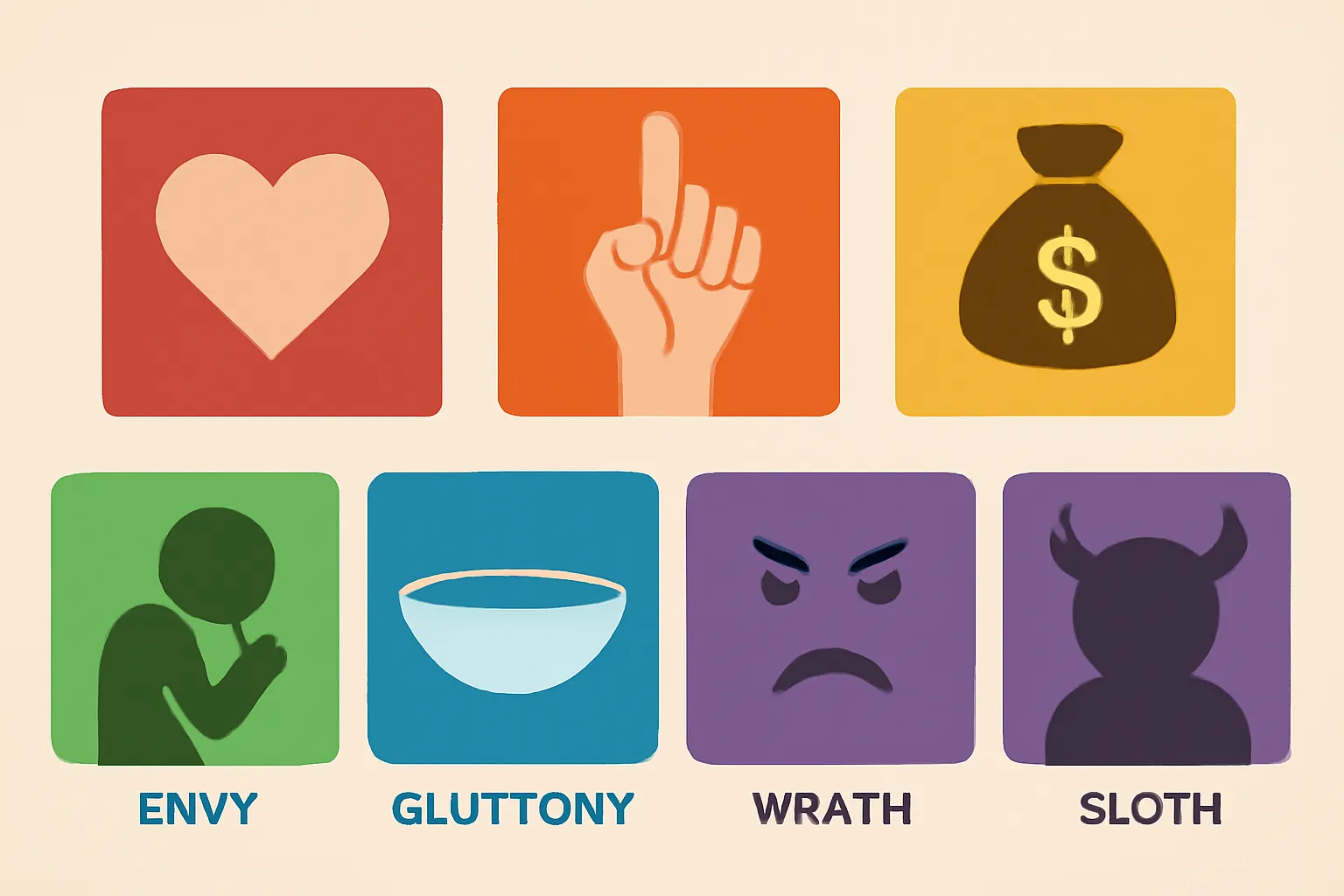
To set the stage, the seven sins can be thought of as a staircase of vices: each rung signals a different inclination, yet all of them can lead to unhealthy patterns if left unchecked. Below is a compact map of the sins, using variations of the phrase «the seven capital sins with meaning» to highlight the semantic breadth of the topic:
Pride (an excessive sense of self-importance or vanity)
Greed (an insatiable desire for wealth or material gain)
Lust (unrestrained or disordered sexual longing)
Envy (resentment over another’s advantages or success)
Gluttony (overindulgence in food or other satisfactions)
Wrath (uncontrolled anger or vengeance)
Sloth (spiritual or moral laziness, neglect of duties)
In addition to naming the sins, many scholars emphasize the countervailing virtues—humility, charity, chastity, gratitude, temperance, patience, diligence—that help redirect these tendencies toward good. The study of these sins is not merely historical; it offers a lens for examining ethics, psychology, and personal growth in today’s world.
Pride: Meaning, Origins, and Modern Significance
Origins and Etymology
Pride is often described as the first and most foundational of the capital sins because it can give rise to the others. The term originates from the Latin superbia, which conveys a sense of arrogance or an inflated view of one’s own worth. Historically, pride has been treated as both a vice and, paradoxically, a virtue in certain contexts (self-respect, dignity) when tempered by humility and service.
Theological Meaning
In classical Christian theology, pride is more than vanity; it is a distortion of the proper order of love. When a person loves themselves or their status above all else, God, others, and truth can be displaced. This form of self-centeredness can lead to stubbornness, a refusal to submit to higher laws, and a habit of looking down on others.
Modern Manifestations
Excessive self-importance that dominates conversations, decisions, and relationships.
Arrogant perfectionism that shames others or stifles collaboration.
Disdain for feedback or constructive critique, because it threatens the self-image.
Humility as an active stance—recognizing limits, valuing others, and seeking truth over recognition.
Gratitude for the gifts and contributions of others.
Service that redirects energy from self-importance to the common good.
Practical Examples
In daily life, pride can show up as insisting on being right, taking credit for group work, or resisting accountability. By cultivating humility and openness to feedback, individuals can transform a potentially destructive pattern into a healthier sense of self-respect that respects others.
Greed: Meaning, Origins, and Modern Significance
Definitions and Historical Context
Greed, or avarice, refers to an insatiable desire for wealth, possessions, or material security. The root idea is not simply wanting more but wanting more than one’s fair share or what is needed to live well. In many traditions, greed is linked to a lack of generosity, leading to hoarding and exploitation.
Psychology of Avarice
Psychologically, greed can be understood as a defense against anxiety about scarcity, safety, and worth. It can produce a compulsive accumulation pattern, a fear of loss, and an inability to enjoy what one already has.
Modern Manifestations
Material obsession—an endless pursuit of gadgets, cars, real estate, or status symbols.
Corporate miserliness—policies that maximize profits at the expense of workers or clients.
Financial hoarding—saving at the expense of generosity or social investment.
Countervailing Virtues
Generosity and charitable giving that shares wealth with those in need.
Moderation in consumption and mindful budgeting that prioritizes purpose over accumulation.
Ethical stewardship—using wealth to support community well-being and sustainable practices.
Case Studies and Applications
In contemporary life, greed can appear in corporate practices, personal debt cycles, or unequal access to resources. Addressing greed often involves fiduciary responsibility, transparent governance, and a commitment to social equity.
Lust: Meaning, Origins, and Modern Significance
Understanding the Drive
Lust denotes disordered or excessive sexual desire that may ignore consent, commitment, or the emotional life of others. The term comes from Latin luxuria and has long been linked with balancing bodily appetites with moral reasoning and relational integrity.
Historical and Theological Notes
Across eras, lust has been framed as a failure to dignify sexuality within the boundaries of love, responsibility, and mutual respect. The concept invites a distinction between healthy, consensual sexuality and disordered longing that undermines trust or harms others.
Contemporary Expressions
Objectification of others or reducing people to sexual objects.
Impulsive or addictive behavior that harms relationships or personal well-being.
Compromised consent or coercive tactics in pursuit of gratification.
Countervailing Virtues
Chastity (in its holistic sense: self-control, respect, and appropriate expression of sexuality).
Temperance—modulating desires in the service of healthy relationships.
Respect and consent as non-negotiables in all intimate interactions.
Real-World Scenarios
In relationships, lust unchecked can erode trust and intimacy. Healthy sexuality, built on consent, mutuality, and communication, provides a countervailing framework that respects both partners and fosters lasting bonds.
Envy: Meaning, Origins, and Modern Significance
What Envy Is
Envy is a painful or resentful longing for someone else’s traits, status, abilities, or possessions. It differs from simple admiration in its tendency to sour into bitterness or hostility. The Greek term often referenced is phthonos, which captures the corrosive edge of wanting what another has.
Historical Perspectives
Envy has been condemned and studied across cultures as a corrosive force that damages both the envier and the envied. The moral problem is not just wanting more but allowing that wanting to become a source of moral grievance or social discord.
Comparison traps—measuring self-worth against others and feeling inferior or superior accordingly.
Resentment toward success of others, which can erode generosity and cooperation.
Social media cycles that amplify perceived differences and fuel discontent.
Counteracting Envy
Gratitude practice—counting blessings and recognizing one’s own unique path.
Moral imagination—considering the effort and circumstances behind another’s success.
Empathy—celebrating others’ good fortune rather than resenting it.
Impact on Community and Relationships
Envy can erode trust and collaboration within families, workplaces, and communities. By turning envy into admiration and then into constructive aspiration, people can transform a potentially destructive impulse into motivation for personal growth and collective well-being.
Gluttony: Meaning, Origins, and Modern Significance
Gluttony is traditionally understood as overindulgence to the point of waste or harm, whether in food, drink, or other pleasures. The term implies not just enjoyment but an excess that disrupts physical health, discipline, or social responsibility.
Theological and Ethical Implications
Gluttony involves a failure to moderate desires in a way that respects one’s body, others who may be deprived of resources, and the stewardship of Earth’s gifts. In some writings, it is linked to a lack of self-control and a willingness to prioritize immediate gratification over long-term good.
Modern Expressions
Overeating or binge drinking that harms health or finances.
Excessive consumption of media, entertainment, or other pleasures at the expense of responsibilities.
Wasteful abundance—buying more than needed and discarding surplus without thought.
Countervailing Virtues
Temperance—disciplined appetite and mindful consumption.
Self-control—pausing to consider consequences before indulging.
Generosity—sharing resources with those who lack what is needed.
Practical Guidance
Near-term strategies to combat gluttony include mindful eating, regular fasting or restraint periods, and a deliberate focus on nutrition and health. In broader terms, reducing waste and choosing sustainable, purposeful consumption helps align appetites with long-term flourishing.
Wrath: Meaning, Origins, and Modern Significance
What Wrath Means
Wrath denotes intense, uncontrolled anger, often expressed as a desire for revenge. Historically linked to impulsivity and a breakdown of rational judgment, wrath disrupts relationships and can lead to harm.
Historical and Theological Context
In many traditions, wrath is seen as a breakdown of the virtue of justice, when anger becomes disproportionate to the offense or seeks punishment beyond the appropriate remedy. It challenges the moral order by acting out of emotion rather than discernment.
Contemporary Manifestations
Explosive anger that erupts in conflict, sometimes with verbal or physical aggression.
Vengeful impulses—wishing harm on others as payback for perceived wrongs.
Chronic irritability that colors daily interactions and decision-making.
Countervailing Virtues
Patience—the ability to endure provocation without losing self-control.
Mercy and forgiveness—resisting the urge to retaliate and choosing reconciliation.
Temperance—channeling energy into constructive action rather than destructive outbursts.
Practical Applications
In personal life and in professional settings, wrath often damages trust and impairs judgment. Techniques such as time-outs, deep breathing, and structured conflict resolution can help transform wrath into constructive, assertive communication.
Sloth: Meaning, Origins, and Modern Significance
Defining Sloth
Sloth is not merely laziness in the sense of physical inertia; it is a spiritual or moral indolence that prevents a person from pursuing duties, growth, or virtue. It can manifest as neglect of responsibilities, apathy toward meaningful work, or a disengagement from personal and communal goods.
The idea of sloth encompasses a broader moral concern: that care for one’s duties, both ordinary and extraordinary, is essential to a well-ordered life. Sloth is often discussed alongside diligence and perseverance as the guardrails for personal and communal flourishing.
Modern Manifestations
Apathy toward responsibilities—meeting obligations late or incomplete.
Procrastination—delaying important tasks and eroding reliability.
Passive disengagement—avoiding opportunities for growth, learning, or service.
Countervailing Virtues
Industry and diligence—consistent effort toward meaningful goals.
Perseverance—staying the course despite obstacles or discomfort.
Responsibility—fulfilling duties to self, family, work, and community.
Ways to Counter Sloth
Practical strategies include setting clear priorities, breaking tasks into manageable steps, and building routines that reward progress. When sloth is addressed, energy can be redirected toward productive, fulfilling activities that align with one’s values.
From Vice to Virtue: A Balancing Framework
Understanding the seven capital sins is not simply an exercise in moral condemnation. It is a framework for recognizing patterns that can distort judgment. By identifying how pride, greed, lust, envy, gluttony, wrath, and sloth manifest in one’s life, a person can choose the corresponding virtues and deliberate practices that promote health, integrity, and flourishing.
Practical Countermeasures for Everyday Life
Self-awareness practices—journaling, mindfulness, and reflection on triggers and consequences.
Ethical decision-making—checking motives, seeking feedback, and considering the impact on others.
Community and accountability—enlisting mentors, peers, or faith-based communities to encourage virtue.
Education, Culture, and Discussion
The language of the sins has history, but its meaning can adapt to contemporary ethics. In education and culture, the Sins framework can be used as a tool for moral psychology, character education, and civic life. It invites reflection on how human desires interact with social structures, technology, and power.
Scholars sometimes discuss variations of the list—academic terms like capital vices or cardinal sins emphasize their status as principal vices from which other faults flow. Some traditions also connect these sins with related concepts such as sinful passions, mortal sins in Catholic theology, or moral psychology categories in secular ethics. By examining multiple labels, readers gain a broader understanding of human weakness and its remedies.
Conclusion: Living with Awareness and Virtue
The exploration of the seven capital sins with meaning invites a hopeful, action-oriented approach to moral life. Rather than viewing these sins as rigid prohibitions, they can function as diagnostic tools that help people identify patterns that undermine well-being and relationships. By pairing each vice with its complementary virtue, individuals can pursue growth, cultivate healthier habits, and contribute to the common good. The path is not about perfection but about ongoing effort, discernment, and a commitment to treating oneself and others with dignity.
Whether approached from a religious, philosophical, or psychological angle, the seven sins offer a durable vocabulary for discussing temptation, moral decision-making, and personal transformation. As society evolves, the meanings of these vices may shift in emphasis or interpretation, yet their core insight remains valuable: the health of a person and a community depends on how well we align our desires with justice, compassion, and lasting good.










Publicar comentario