Church Veil: A Complete Guide to History, Styles, and Significance
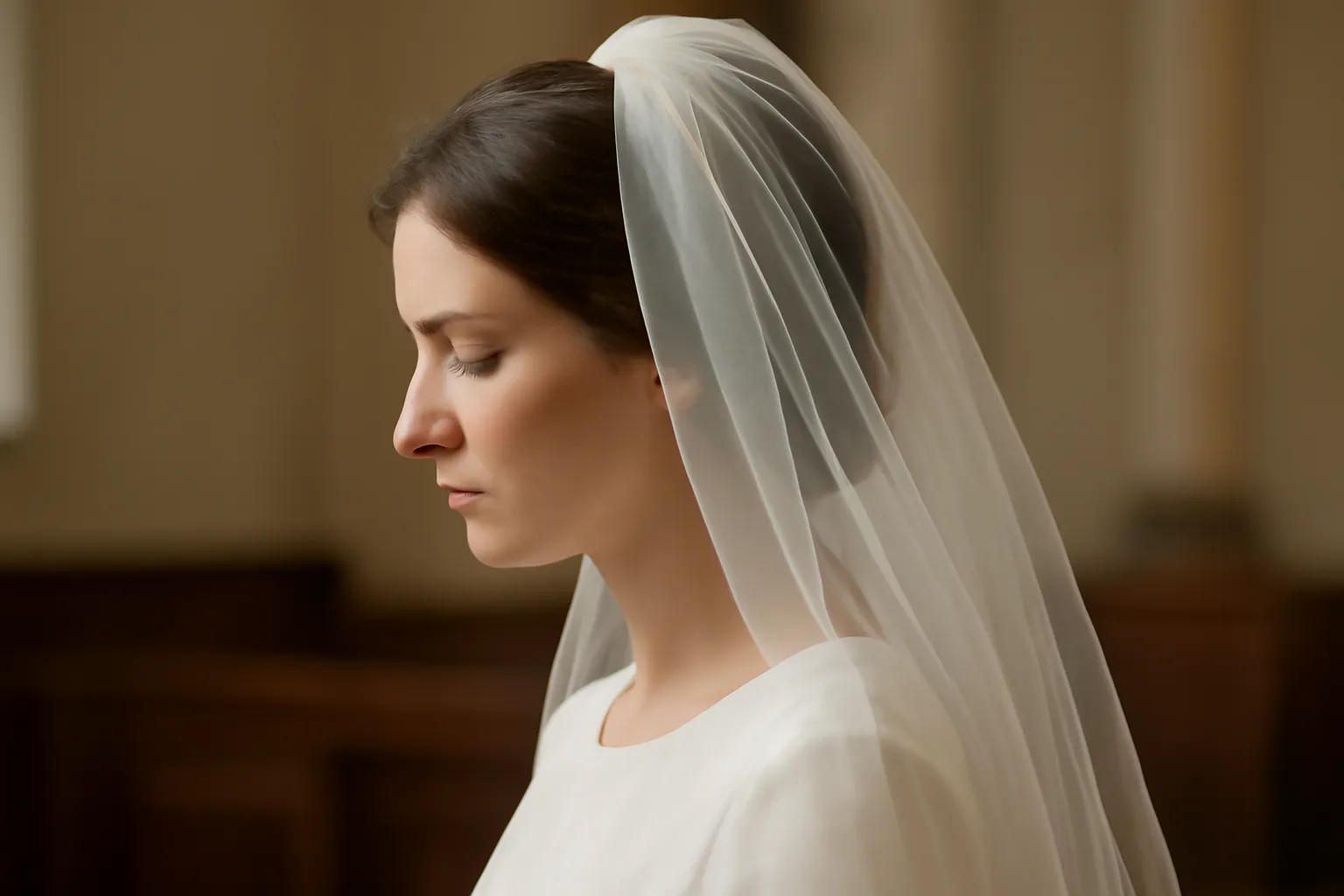
The church veil has been a visible symbol in many Christian communities for centuries, serving as a tangible sign of reverence, modesty, and the sacred space set apart for worship. While the specific practice and appearance of the veil have varied across times, places, and denominations, the underlying questions—why veil, how it communicates faith, and what it means for contemporary worship—remain central for theologians, historians, and laypeople alike. This guide offers a thorough overview of the history, diverse styles, and enduring significance of the ecclesiastical veil, including its modern interpretations and practical considerations.
Origins and Early Usage
The earliest Christians inherited a social habit from the broader ancient Near Eastern and Greco-Roman world: the close inspection of how individuals presented themselves in sacred spaces. For some communities, veiling a woman’s hair or face functioned as a symbol of modesty and spiritual focus during prayer and worship. In the New Testament, particular passages are often cited in discussions about head coverings, most notably the broader discussion about women’s hair and adornment in 1 Corinthians 11. While the exact interpretation remains debated, many scholars agree that the practice reflected a cultural context in which gendered modesty and public decorum were meaningful signs of reverence in the assembly.
Scriptural and historical foundations
Within early Christian communities, the act of veiling was not uniform across every locale or church. Some congregations adopted a head covering for women, others emphasized other expressions of decorum, and still others did not require any specific dress code for worship. Over time, liturgical symbolism—the idea that outward signs communicate inner realities—took root in many traditions. The veil began to function not merely as a personal covering but as a ritual cue that the assembly is gathered in the presence of the divine. Different Christian cultures interpreted this cue in distinct ways, yielding a spectrum of styles that would echo through the ages.
Veil and distinction in early worship spaces
In some ancient and medieval churches, the veil or head covering was connected to the dignity of the sanctuary and the clergy’s distinct role. For laywomen, a veil could signal participation in worship without distraction and a respect for the sacred space. For clergy, the veil, if present on vestments or in architecture, could be read as a sign of separation between the ordinary and the extraordinary. The result was a culture of symbolic garments and coverings that reinforced theological ideas about holiness, order, and reverence.
Key historical influence: cultural norms around modesty and public worship.
Primary purpose: direct attention to the divine rather than individual appearances.
Common metaphor: veil as a doorway to reverent entry into sacred space.
Historical Evolution
The use and appearance of church veils underwent significant changes as churches reinterpreted theology, aesthetics, and social norms across centuries. By tracing major eras, we can understand why styles vary so widely today.
Medieval and Renaissance periods
In medieval Europe, head coverings for women ranged from simple mantles to more elaborate veils and headdresses, with regional customs shaping what was considered appropriate in church. In many places, women entering a cathedral or parish church were expected to wear something that concealed their hair or head as a sign of humility before the holy mysteries. The line between decorative fashion and liturgical sign often blurred, leading to rich textile artistry in mantillas and other coverings in wealthier communities. Painted church interiors and manuscript illuminations sometimes depict women wearing veils during worship, underscoring the integration of fashion, piety, and ritual.
Reformation, Counter-Reformation, and changing attitudes
The Protestant Reformation sparked a wide spectrum of responses to the practice of veiling. Some reformers rejected elaborate adornment in favor of simplicity and biblical authority, prompting many churches to relax mandatory head coverings in public worship. Others maintained certain forms of modest apparel as expressions of reverence. The Counter-Reformation within the Catholic Church, in contrast, reaffirmed traditional symbols and sacramental signs in many regions, including a renewed emphasis on liturgical beauty. This tension produced a lasting divergence: in some places, ecclesiastical veiling continued as a normative practice; in others, it receded to a more private or optional status.
18th and 19th centuries: revival and codification
The 18th and 19th centuries brought renewed interest in religious attire, including veils and head coverings, as part of broader movements toward revival, reviving catholic piety, and the romanticized memory of medieval devotion. In Catholic and Anglican contexts, collegiate chapels and parish churches often saw women wearing lace mantillas or small veils as part of Sunday dress or during special liturgies. The veil was sometimes adopted as a fashionable piety that signaled belonging to a religious community, while still carrying symbolic meaning related to modesty and focus on God.
The 20th century introduced a new pluralism in church practice. Reforms around gender roles, liturgical reforms following the Second Vatican Council, and ecumenical conversations reshaped how veiling was understood in many churches. In some communities, the veil became a voluntary personal choice rather than a rule, while in others it remained a solemn, formal sign within worship. The broader cultural shifts about modesty, feminism, and secular fashion also influenced how a church veil is perceived and worn. In contemporary settings, a range of styles—from ornate lace mantillas to simple fabric head coverings—reflects both tradition and personal conscience.
Styles and Types
Today’s landscape of church veils includes a spectrum of styles designed to suit different liturgical contexts, climates, and personal preferences. Below are several primary styles and their typical uses, along with notes on how they relate to the idea of a cover in sacred space.
Mantilla and lace veils
The mantilla is perhaps the most recognizable form of church veil in many Catholic and some Anglican circles. Traditionally made of lace or sheer fabric and often spanning to cover the back and sides of the head, mantillas can be worn in several ways, from a small cap-like headpiece to a longer shawl that drapes over the shoulders. The mantilla’s delicate pattern and drape convey a sense of reverent beauty appropriate to sacred occasions, such as Mass or processions. In some regions, the mantilla is reserved for feasts and solemn celebrations, while in others it may be worn more regularly by women as a personal expression of devotion.
Chapel veil and headscarf variations
A chapel veil is typically smaller and easier to manage than a mantilla. Often crafted from light fabrics like organza, chiffon, or fine cotton, such veils are designed to lie over the head and shoulders without heavy draping. Many women wear a chapel veil for daily or Sunday worship in churches that encourage modest attire without requiring formal lace. In Protestant contexts, a headscarf or simple veil can be chosen to reflect contemporary modesty while avoiding a more ornate appearance.
Net, tulle, and decorative overlays
Some veils employ netting, tulle, or fine mesh to create a light, airy silhouette that maintains visibility while signaling the sacred. These styles are often used in weddings in addition to or instead of traditional church coverings, and they can appear in non-wedding liturgical settings as well when permitted by church policy. The decorative overlay approach emphasizes aesthetic beauty as part of the atmosphere of worship, aligning with concepts of liturgical beauty and reverence.
Fabric choices and care considerations
Materials range from lace and silk to lightweight polyester and cotton blends. The choice of fabric affects not only appearance but also practicality—clear visibility, ease of wear, and maintenance are important for regular church use. In general, more delicate fabrics require careful washing and storage, while sturdier fabrics offer easier care and durability in busy worship spaces. Denominational guidance often suggests avoiding fabrics that produce noise or distraction during prayer, highlighting the theology that discretion fosters contemplation.
Regional and denominational variations in style
Styles often reflect regional norms and denominational expectations. For example, in some Eastern Orthodox communities, head covering for women in church is still observed in certain jurisdictions, with scarves or veils that cover the hair and sit close to the head. In many Anglican and Episcopal parishes, the veil or headcovering is used in more traditional settings, particularly during rites like Holy Communion or solemn evening prayer. Protestant congregations may emphasize modest head coverings as a choice rather than a requirement, aligning with broader commitments to religious freedom and individual conscience. Across these contexts, the essential purpose remains consistent: to maintain a focused sacred space and a sense of humility before God.
Summary of key styles
Mantilla — lace or sheer fabric, draping over the head and shoulders.
Chapel veil — lighter, simpler, often for daily use in church.
Headscarves and wraps — modest, versatile coverage with minimal ornament.
Netting and tulle overlays — decorative yet lightweight for ceremonial occasions.
Regional and Denominational Variations
How the church veil is interpreted and worn depends heavily on the tradition of a given community. While some traditions maintain formal, ritual veiling in public worship, others emphasize personal choice and test out practical alternatives. The following overview highlights some of the major lines of practice across Christian traditions.
Catholic practice
In the Catholic Church, the practice of veiling has varied by era and jurisdiction. In many cultures, women wearing mantillas or chapel veils in church can be seen during solemn liturgical seasons or on Sundays, especially in more traditional parishes. The significance remains tied to reverence, humility, and the sense that the assembly stands before the holy mysteries. While the frequency of mandatory veiling has decreased in modern Western contexts, some communities continue to observe it for specific liturgies or in certain chapels, particularly where tradition remains strong.
In many Orthodox traditions, women may wear a head covering when entering the church, though the form can vary from a simple scarf to a veil or bonnet depending on local custom. The emphasis is less on a single “rule” and more on a spirit of modesty and attention to the liturgical act. Men and women often attend worship with distinct reverence in concert with the design of the sanctuary and the presence of iconography, choirs, and liturgical vessels. The veil, in this context, is one of several visible signs of piety that help orient the faithful toward prayer and contemplation.
Anglican and Episcopal practice
In many Anglican and Episcopal churches, veiling has been retained in more traditional parishes and during particular rites, such as Holy Communion or Evensong. Some communities use chapel veils, fly veils, or other lightweight coverings for congregants, while others have moved toward a more flexible approach, emphasizing personal conscience and the historic Christian emphasis on worship that is orderly and reverent rather than prescriptive. The diversity within *Anglicanism* mirrors its broader ecumenical nature, where both continuity and reform coexist in worship practices.
Lutheran and other Protestant contexts
Among Lutherans and certain other Protestant communities, veiling can be more optional, often depending on local custom or consent of the congregation. Some places encourage modest dress as part of the worship atmosphere, while others allow congregants to choose their level of coverage. The guiding principle in these contexts tends to be freedom with responsibility—freedom to interpret modesty as appropriate and responsibility to maintain the dignity of worship and the focus on the gospel message.
Ecumenical conversations
In recent decades, ecumenical dialogue across denominations has explored how traditional practices such as head coverings intersect with gender equality, liturgical reform, and cultural adaptation. Many churches recognize the value of tradition and the importance of symbolic acts, while also honoring contemporary understandings of autonomy and inclusive worship. The conversation continues to shape how the church veil is viewed and worn in new contexts.
Symbolism and Significance
The veil in church life is more than a fashion accessory; it is a symbol loaded with theological significance. Across centuries and denominations, several core meanings recur, even as they adapt to changing social norms.
Theology of modesty and reverence
At its core, the ecclesiastical veil embodies humility before the sacred. By covering the head or hair, worshipers signal that their attention is directed toward God rather than themselves. This is not merely a social nicety but a theological posture—an outward sign of an inward disposition. The phrase “keeping one’s head bowed” in worship can be read literally through a veil as well as metaphorically through posture and liturgical focus.
Signaling sacred space and divine presence
Veiling helps delineate sacred space from ordinary space. In many churches, the act of wearing a veil helps create a sense of boundary and sanctity at moments when the church believes it is drawing near to the divine mysteries. The veil can be seen as a metaphorical curtain that invites the faithful to cross into a different reality during worship and sacraments.
Tradition, identity, and continuity
For communities with long-established customs, the veil is a sign of continuity with the past. It connects present worshippers with generations of believers who used the same sign to express their faith. In this sense, the veil acts as a tangible link to church history, reminding communities that they participate in a larger story of faith that transcends a single era.
Privacy of prayer and focus
Some theologians and worship leaders view veiling as a way to reduce visual distraction and help the congregation focus on prayer, liturgy, and the spoken Word. The veil thus functions less as a fashion statement and more as a practical aid to worship, encouraging contemplation and interior prayer.
Gender and leadership debates
In modern discussions, the veil intersects with debates about gender, leadership, and equality in church life. Some see veiling as a meaningful traditional sign that respects differences in roles within worship; others critique it as a practice that could perpetuate outdated gender norms. The ongoing conversations reflect broader questions about how to honor tradition while pursuing inclusive, scripturally grounded communities.
Contemporary Practices and Debates
Today’s church environments range from formal, liturgical settings to informal, contemporary worship spaces. The practice of veiling athletes some of the classic edges of tradition with modern expectations about individual conscience and cultural relevance. Below are some of the major themes in current discussions about the church veil.
Arguments in favor of maintaining veiling traditions
Continuity with historical worship and the sense of sacred time.
Sign of reverence and a visible reminder of the divine presence in worship.
Conformity with long-standing communal norms that provide identity and belonging.
Visual symbolism that can enhance liturgical beauty and focus for some worshippers.
Critiques and calls for reform
Concerns about gender equality and freedom of expression within worship.
Questions about cultural relevance in diverse modern congregations.
Practical considerations: comfort, climate, and accessibility for all ages.
Desire for worship to be inclusive, where symbols do not inadvertently exclude people.
Should veiling be mandatory, optional, or reserved for specific liturgies?
What fabrics and styles best serve modesty without causing discomfort or distraction?
How can churches respect cultural diversity while maintaining coherent worship?
What educational resources are needed to explain the symbolism of veiling to newer members?
Ecumenical and cultural considerations
As churches engage in ecumenical dialogues and multi-cultural ministry, the conversation about the veil often expands to include broader questions of modesty, cultural expression, and the role of dress in spiritual life. Some communities adopt a flexible approach encouraging personal discernment rather than universal rules, while others preserve a more traditional posture as a hallmark of worship distinctiveness.
Care, Etiquette, and Wearing Tips
If a church veil or head covering is part of your practice, understanding practical care and etiquette helps you participate with dignity and ease. The following guidelines cover selection, wearing, and maintenance to ensure that the veil serves its intended purpose in worship.
Choosing the right style for occasions
Consider the setting and the liturgical mood. For formal liturgies, a lace mantilla or a refined chapel veil may be appropriate. For everyday worship, a simple headscarf or a lightweight veil can convey modesty and focus without appearing ceremonial. The key is to align your choice with the expectations of your local community while staying true to your own understanding of reverence.
Proper wearing technique
Depending on the style, veiling methods vary. A mantilla is often worn with a comb or small cap to anchor it, while a chapel veil may be secured with a pin or simply draped over the head and shoulders. Ensure that the veil remains out of the face, does not obstruct hearing or speaking, and does not present a hazard in crowded spaces. Comfort and dignity should guide how you wear the veil during the service.
Care instructions differ by material. Lace and delicate fabrics require gentle washing and air-drying, often by hand or on a delicate cycle. When storing, keep the veil flat or rolled to prevent creases. For lace mantillas, you may want to fold carefully with tissue paper to preserve the pattern. Avoid exposure to harsh sunlight for extended periods, which can weaken fibers. Regular inspection for snags and tiny tears helps preserve the garment for future use.
Be mindful of the norms of your local church community. In some parishes, veils are part of formal dress codes; in others, they are optional. When in doubt, consult the church’s welcome desk or pastoral staff to understand expectations for the specific service you are attending. Demonstrating respect for communal tradition while expressing your own devotion is often the best path in mixed settings.
A Brief Glossary
This glossary clarifies terms often used in discussions about ecclesiastical veils and related attire.
Mantilla — a lace or sheer fabric veil worn over the head and shoulders, commonly associated with Catholic and some Anglican contexts.
Chapel veil — a lightweight head covering used in church settings, typically simpler than a mantilla.
Head covering — a broad term for any material worn on the head for modesty, reverence, or symbolism.
Liturgical symbolism — signs and actions in worship that communicate theological truths beyond words.
Modesty — an ethical and cultural standard related to dress and behavior that seeks to avoid self-display in sacred spaces.
Conclusion: The Veil as Vision and Practice
The church veil stands at the intersection of history, theology, aesthetics, and lived faith. Across centuries, it has served as a visible sign of reverence and identity, while also inviting ongoing reflection about gender, culture, and pastoral practice. Whether one views the veil as a timeless symbol that enriches worship or as a tradition that requires thoughtful adaptation, the core idea remains: sacred space calls for intentional respect, and outward signs of devotion can help orient the heart toward the divine.
In many communities, the veil continues to be a personal choice rooted in tradition and conscience. For others, it remains a communal practice with a long memory, shaping the atmosphere of worship and pointing believers toward a sense of the holy. As with all aspects of church life, the enduring question is how such symbols nurture faithful relationship with God, strengthen communal worship, and invite all to participate in the mystery of faith with sincerity, humility, and love.







Publicar comentario