Art with Jesus: Inspiring Christian Artwork Ideas & Techniques
Art with Jesus: Inspiring Christian Artwork Ideas & Techniques
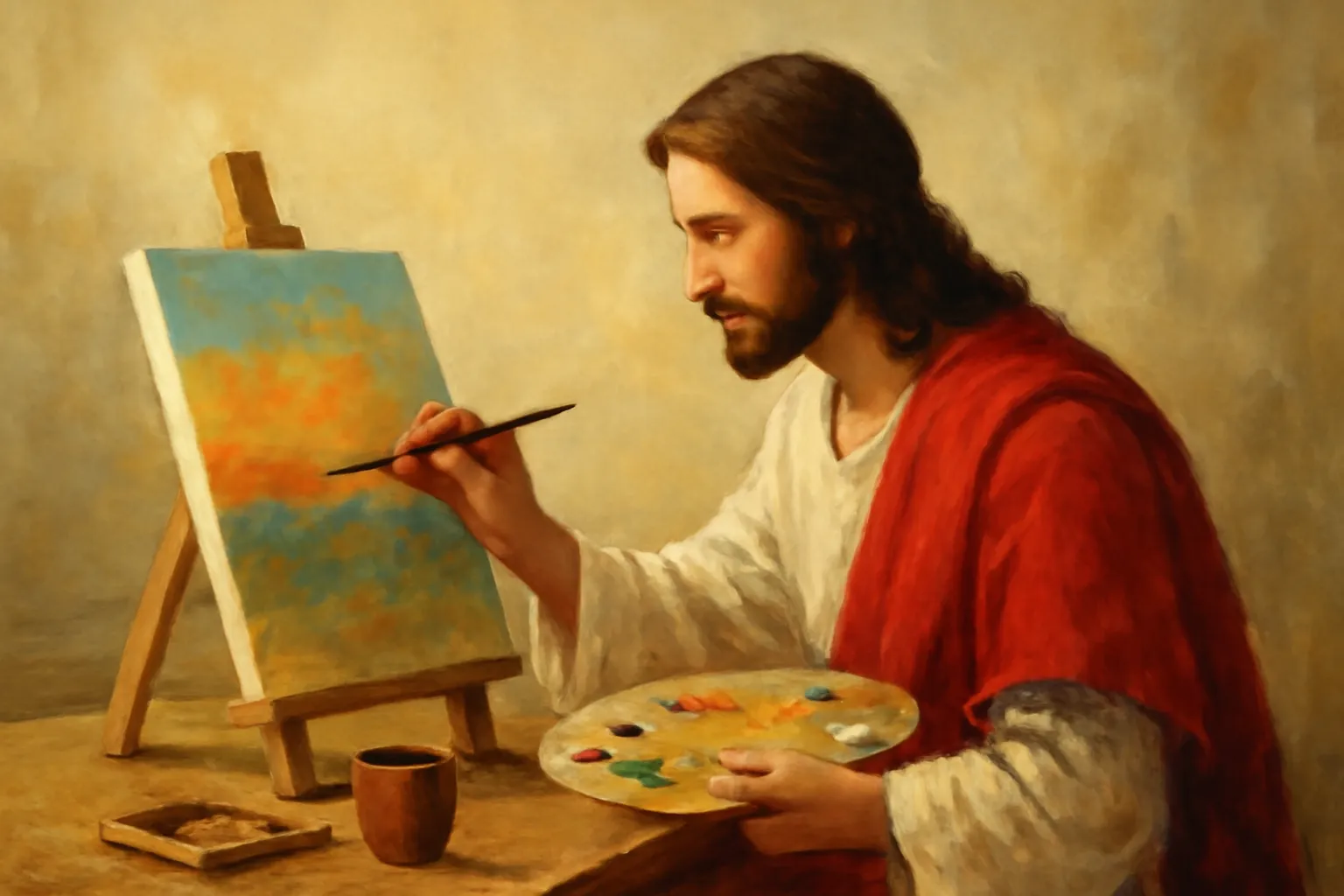
Art has long served as a bridge between faith and imagination, inviting believers and seekers to encounter the life, teachings, and presence of Jesus in tangible form. Whether through a quiet icon, a sweeping mural, a delicate watercolor, or a bold digital composition, Christian art can nurture devotion, teach scripture, and spark conversations about the gospel. This article surveys a broad range of approaches to creating art with Jesus, offering practical ideas, historical context, and technical guidance to artists, educators, church leaders, and hobbyists alike.
Understanding the purpose and impact of Jesus-centered art
Before picking up brushes or chisels, it helps to clarify the aims of a Jesus-centered artwork. Worship and encounter are primary aims in many church settings, where imagery serves as a doorway to prayer and awe. Teaching and catechesis are another common function, using visual narratives to illuminate Gospel stories for all ages. Hope, comfort, and reconciliation emerge when art reflects the mercy, sacrifice, and resurrection of Jesus for individuals and communities facing hardship. Finally, evangelistic outreach can be enriched through art that communicates core truths without alienating viewers unfamiliar with traditional church language.
In practice, successful art with Jesus balances reverence with accessibility. It invites contemplation rather than gatekeeping, honors historical forms while welcoming fresh expressions, and respects the diversity of cultures that have embraced the Christian faith. The medium should serve the message, not overwhelm it. When artists stay attentive to narrative clarity, portrayal of character, and emotional resonance, their work becomes a kind of visual sermon that can be revisited, discussed, and shared.
Historical context and evolving styles
Ancient, medieval, and iconographic traditions
From the earliest Christian communities, depictions of Jesus circulated in devotional formats that emphasized reverent stillness, symbolic color, and iconic form. Icon painting in the Byzantine tradition, with its use of stylized figures, frontal gaze, and gold background, was never merely decorative; it functioned as a window into the divine. Key features include flat perspective, luminosity via gold leaf, and the careful preservation of spiritual symbolism. In other contexts, Jewish and early Christian artists used color, gesture, and composition to communicate the Gospel narrative without relying on naturalistic style.
Renaissance and Baroque reinterpretations
As the Western world shifted toward naturalism and drama, depictions of Jesus moved toward lifelike forms, intimate portrayals of mercy, and monumental scenes of the Passion. Renaissance masters pursued anatomical accuracy, light modeling, and psychological depth in scenes like the Enshrinement of the Last Supper, the crucifixion, and the Resurrection. The Baroque era emphasized movement, theatrical lighting, and emotional intensity, inviting viewers to feel the poem of the gospel in real time. Across these periods, artists balanced reverence with invention, often commissioning public works that served worshiping communities and educated spectators alike.
Modern and contemporary re-imaginings
In the modern era, artists began to explore more personal, narrative, and cultural angles on Jesus. Contemporary Christian art often blends realism with abstraction, experiments with composition, and uses diverse media—from street art to digital painting—to reach varied audiences. Some artists foreground social justice themes, others reframe familiar scenes to address questions of identity, suffering, and hope. Across these shifts, the core impulse remains: to communicate the life and teachings of Jesus in ways that resonate with today’s readers, listeners, and viewers.
Mediums and formats for art with Jesus
Different media offer distinct ways to evoke character, context, and message. Below is a survey of practical formats, each with its own strengths for portraying Jesus and the Gospel narratives.
Icon painting and panel icons: meditative, traditional, and highly symbolic; often uses egg tempera and gilding.
Oil painting: rich color, deep glazing possibilities, and luminous flesh tones that invite close looking.
Acrylic painting and gouache: quick-drying, versatile, and suitable for layering and texture.
Watercolor: ethereal washes, transparency, and delicate edges that can convey gentleness or divine light.
Sculpture (wood, stone, metal, or clay): tactile presence, physical form, and the possibility of liturgical display.
Mosaic and stained glass: excellent for churches and public settings, with color and light playing uniquely on stone or glass.
Fresco: durable wall painting that integrates with architecture and space, historically linked to church interiors.
Textile art (embroidery, tapestry, quilts): tactile, intimate, and portable; can convey narrative in fabric and fiber.
Digital art and graphic design: scalable, shareable, and adaptable for worship resources, websites, and social media.
Photography and mixed media: documentary or symbolic imagery that invites contemplation or reinterpretation of classic scenes.
Mosaic-by-digital assembly or pixel art: modern takes on traditional iconography and narrative panels.
Each format has practical considerations—available space, lighting, display context, and audience. When choosing a medium, consider not only what will be technically feasible but also what best communicates the particular aspect of Jesus you want to celebrate or explore.
Symbolism and imagery in depictions of Jesus
Great Jesus-centered art speaks through symbols rooted in scripture and tradition. While contemporary work may foreground new imagery, a solid understanding of common motifs helps ensure accuracy, reverence, and powerful storytelling. Consider the following symbols and how they can support your visual narrative:
Light and radiance signaling divinity, revelation, or grace, often represented by halos, aureoles, or beams of light.
The Lamb representing Jesus as the sacrificial sacrifice, connected to Passover and the crucifixion.
The Cross as both instrument of suffering and sign of salvation; can be central or integrated into the landscape.
Shepherd imagery with Jesus as the Good Shepherd, guiding, protecting, and seeking the lost sheep.
Ichthys (fish) and other early Christian symbols that connect to gospel narratives and community identity.
Blue and gold color symbolism—blue for heavenly, gold for divine glory and sanctity.
Open hands, compassionate gaze, and proximity to children to convey mercy, welcome, and teaching.
Resurrection and empty tomb motifs to communicate hope, victory over death, and new life.
Parabolic scenes that illustrate Jesus’ teachings through everyday objects and situations.
Artists can also blend symbolic layers with naturalistic detail, creating a rich layered experience. When using symbolism, clarity matters: viewers should be able to follow the narrative arc, understand the message, and encounter beauty alongside meaning.
Inspiring project ideas: variations of art with Jesus
To expand semantic breadth, consider exploring the following project ideas that approach Jesus-centered art from diverse angles. Each idea can be adapted for classrooms, galleries, churches, or personal studios.
Nativity scenes in multiple media: create a diorama, a traditional canvas, and a textile interpretation, highlighting the roles of Mary, Joseph, the shepherds, and the Magi.
Christ Pantocrator suite: a series of icons or digital images that depict Jesus in the authoritative «Ruler of All» mode, exploring light, stance, and gesture.
Last Supper reinterpretations in varied contexts (urban, rural, or global cultures) to reflect fellowship and community across time and place.
Resurrection narratives that emphasize different moments—empty tomb, encounters with Mary Magdalene, or the disciples on the road to Emmaus.
Jesus among landscapes: place Jesus in contemporary environments—urban scenes, deserts, or forests—to invite viewers to relate to his presence in everyday life.
Parables through visual storytelling: illustrate one or two parables using a triptych or storytelling sequence to guide viewers through moral lessons.
Portraits of Jesus across cultures: commission or create depictions reflecting diverse facial features, attire, and settings, demonstrating the universal reach of the Gospel.
Jesus and social justice themes: explore mercy, dignity, care for the marginalized, and advocacy through art that reframes familiar Gospel passages.
Icon-inspired modern works: combine traditional iconography rules with contemporary color palettes and materials for a fresh devotional aesthetic.
Cross as narrative object: investigate different cross forms (plain, ornate, sculpture, or stained-glass) to tell contrasting stories of sacrifice and hope.
Abstract encounters with Jesus: use shapes, color fields, and texture to evoke spiritual experience rather than literal representation.
Youth and family art projects: child-friendly scenes of Jesus’ childhood, healing, or teaching moments that invite participation and dialogue.
Nature and Jesus: connect Jesus’ teachings with creation, exploring mercy and care for the environment through landscape or pastoral imagery.
Digital storytelling: short animations or slideshows that pair scriptural passages with moving visuals and music for lent or Easter services.
Community mural projects: large-scale murals in schools or churches that invite collaboration, storytelling, and public engagement around Jesus’ life and message.
These ideas are starting points; you can mix media, scale, and technique to suit your audience, space, and spiritual aim. The most enduring works often emerge from a deliberate process that honors both craft and contemplation.
Techniques: from traditional craft to contemporary experimentation
Whether you work in a studio or a classroom, a thoughtful approach to technique makes a big difference. The following sections outline practical methods for traditional practices and modern experimentation, with an emphasis on durability, clarity of narrative, and quality of light.
Traditional techniques: iconography, gilding, and egg tempera
Choose a subject and composition: draft a clear narrative arc, decide where the focal point will be, and plan how light will guide the viewer’s eye.
Underdrawing: use a light graphite or charcoal sketch to map forms and proportions before applying color.
Egg tempera basics: mix pigment with egg yolk and a little water; tempera dries quickly, enabling fine, precise lines and luminous layers.
Layering and glazing: apply thin superimposed layers to build color depth; use glazing to adjust color temperature and mood.
Gold leaf and metallic surfaces: prepare a smooth gesso ground, apply adhesive (size), and lay gold leaf for halos, backgrounds, or accents—then burnish carefully to achieve a radiant glow.
Iconic conventions: maintain frontal poses, solemn expressions, and symbolic color choices when appropriate; respect the tradition while allowing your personal voice to emerge within its framework.
Note: UK and European workshop contexts often emphasize reverent composition and precise materials. If you’re working in a church or sacred space, you may need to follow local liturgical guidelines or conservation requirements.
Oil, acrylic, and watercolor: color, light, and mood
Color planning: create a palette that communicates the intended mood—cool blues may suggest peace and divinity, while warm earth tones can ground a scene in humanity and compassion.
Lighting strategy: decide the source of light within the painting; dramatic light can highlight grace and mercy, while soft radiance can create contemplative atmosphere.
Texture and surface: build texture with impasto for emphasis, or smooth brushwork for serenity and clarity in narrative scenes.
Technique variety: use glazing with oil for rich depth, or acrylic washes for luminous luminance with faster drying; watercolor requires careful control of water ratios for clean edges and translucent layers.
Preservation considerations: varnishing and framing protect the work; choose materials that suit the display environment and longevity needs.
Sculpture and architecture-inspired forms
Material selection: wood, stone, bronze, clay, or mixed media each provides a distinct presence and durability for either indoor or outdoor display.
Form and proportion: consider the viewer’s distance and perspective; sculpture should communicate its message from multiple angles and at varying proximities.
Relief vs. full sculpture: relief can integrate with walls for altar spaces, while full sculpture makes a strong three-dimensional statement in galleries or chapels.
Digital and multimedia approaches
Digital painting and illustration: use a tablet or computer to draft, refine, and color Jesus-centered scenes; layers and adjustment tools enable flexible experimentation.
Graphic storytelling: web-friendly formats, social media-friendly square crops, and vertical storytelling for mobile devices can broaden reach.
Animation and interactive media: short animations or AR experiences invite viewers to engage with Gospel episodes in dynamic ways.
Combination and remix: merge traditional motifs with modern design elements—this can create bridges between generations and cultures.
Process guidance: from concept to completion
Regardless of medium, a thoughtful process increases the likelihood that a work will communicate clearly and endure over time. Consider the following workflow as a flexible guide:
Research and prayer: study the biblical text, consult theological reflections, and reflect on how the imagery will serve faith formation or worship.
Concept development: sketch thumbnails, test compositions, and identify the moral or spiritual emphasis you want to emphasize.
Material testing: experiment with color, glaze, or texture on small surfaces before committing to the final piece.
Execution plan: set a realistic schedule, budget, and space requirements; outline a sequence of steps to minimize delays and maximize focus.
Review and critique: seek feedback from peers, leaders, or mentors who can offer constructive observations about clarity, symbolism, and sensitivity.
Final presentation: prepare the artwork for display, including framing, mounting, lighting, and any accompanying labels or study guides.
Throughout the process, preserve room for adaptation. A flexible approach can help you respond to the context, space, and community you are serving.
Display, care, and ethical considerations
Display choices influence how viewers experience art with Jesus. Lighting, placement, and accompanying explanations shape meaning and accessibility. When presenting in sacred spaces, consider:
Contextual clarity: provide a short caption or devotional prompt that explains the scene, symbols, and intended impact.
Respect and sensitivity: be mindful of diverse audiences, avoiding caricature, stereotypes, or misrepresentations of cultures or traditions.
Conservation and durability: use archival materials and proper framing to ensure longevity; follow local guidelines for sacred art restorations when necessary.
Accessibility: offer alt-text descriptions for digital works, ensure physical accessibility of display spaces, and provide guided conversations for visitors of all ages.
Ecumenical and inclusive approaches: celebrate the universality of Jesus’ message while honoring particular cultural expressions and liturgical contexts.
Ultimately, the best displayed art with Jesus strengthens faith, invites reflection, and fosters community. A well-designed piece becomes a shared resource for prayer, teaching, and dialogue rather than a barrier to access.
Hands-on tips for teachers, pastors, and group leaders
If you’re guiding a church group, classroom, or community workshop, here are practical tips to structure meaningful art making around Jesus-centered themes:
Set intentions: begin with clear goals—what biblical narrative or character moment will be explored, and what learning or worship outcome do you want?
Provide historical context: include short notes about symbolism and tradition to help participants appreciate the depth of standard depictions while encouraging personal interpretation.
Offer material choices: provide options (pencil, watercolor, clay, digital tablet) so participants can align with their skills and comfort levels.
Encourage dialogue: create space for participants to share what they notice, what resonates, and what questions arise from the artwork.
Use prompts to broaden scope: for example, ask participants to depict Jesus in a contemporary setting or to express a Gospel moment through a different cultural lens.
Incorporate prayer and reflection: start and finish sessions with a short moment of contemplation or a prayer that centers on the narrative being explored.
Case studies: brief looks at successful executions
To illuminate how these ideas translate into practice, here are two concise case studies that demonstrate the blend of intent, technique, and context:
Community mural project focused on the Sermon on the Mount. Artists collaborated across cultures to depict Jesus teaching in varied landscapes—mountain, city, and shoreline. The project used mixed media, with community volunteers contributing panels that were later assembled on a dedicated wall. The result created a living dialogue about mercy, humility, and justice, visible to passersby and participants alike.
Icon-inspired modern triptych. An artist produced a three-panel work reflecting Christ’s ministry, passion, and resurrection using a contemporary palette while honoring icon conventions such as frontal composition and balanced symmetry. The gilded accents and precise underdrawing provided a sense of timeless reverence, while the overall mood invited new reflection on familiar narratives.
Ethical reflection: respecting sacred art and diverse communities
As you create or curate Jesus-centered artwork, keep these ethical considerations in view:
Respect for sacred traditions: recognize and honor historical conventions, especially when working within churches or liturgical contexts.
Cross-cultural sensitivity: depict Jesus in ways that honor diverse expressions of faith and avoid stereotyping or exoticizing particular cultures.
Intellectual honesty: accurately reflect biblical narratives and avoid misrepresenting scripture for the sake of novelty.
Community consent: involve church leadership, parishioners, or community groups when appropriate to ensure the work serves shared goals and values.
Conclusion: embracing the breadth of art with Jesus
Across centuries and continents, artists have used a wealth of materials, techniques, and viewpoints to bring Jesus into visible form. The diversity of approaches—from ancient iconography to digital illustration, from stone sculpture to fiber arts—demonstrates that there is no single path to meaningful art with Jesus. What unites these efforts is a shared aim: to invite viewers into encounter, understanding, and transformation through the beauty and truth of the Gospel. Whether you are a seasoned painter, a classroom teacher, a church liaison, or a curious hobbyist, you can contribute to this living tradition by learning, experimenting, and sharing your work with generosity, patience, and reverent curiosity.





Publicar comentario