Saint Artwork: A Guide to Sacred Art, Icons, and Masterpieces
Saint artwork has shaped devotion, culture, and aesthetics for centuries. From the solemnity of Byzantine icons to the drama of Baroque altarpieces, the images of holy figures—saints, martyrs, and legendary holy people—have served as vessels for faith, pedagogy, and beauty. This guide surveys the vocabulary, history, and practice of sacred art, with attention to how artists interpret sanctity, how viewers read these images, and how different traditions preserve and present iconic depictions of saints.
Whether you are a student of art history, a devotional reader, or a curious visitor to a museum or church, understanding holy figure art involves learning not only the faces and gestures but the codes, materials, and contexts that give these works life. In what follows, you will encounter a wide terrain: from the tactile textures of panel paintings and frescoes to the ethereal glow of icons, from the iconography that identifies a saint to the masterful brushwork of Renaissance and Baroque artists. This is a broad field—often called hagiographic art or sacral imagery—yet it remains accessible when you learn to read its signs, symbols, and stories.
What we mean by Saint Artwork
The term saint artwork encompasses a family of forms and genres devoted to holy persons. It includes:
Icons and icon paintings—especially in Orthodox, Eastern Catholic, and some Anglican traditions—where the image functions as a window into the sacred and a focus of prayer.
Altarpieces and panel paintings that depict saints within narratives or in symbolic programs alongside Christ, the Virgin, or other saints.
Sculptural saints—life-size or smaller sculptures of saints in cathedrals, churches, or private chapels.
Miniatures and illuminated manuscripts that honor saints through devotional page illumination and marginal imagery.
Reliefs, reliquaries, and obscurations—objects that enshrine relics or serve as devotional talismans featuring holy personages.
Across these forms, the central aim remains the same: to present the saint as a concrete, accessible presence that invites prayer, contemplation, and emulation. The saintly portrait is often a blend of biography, symbolism, and spiritual invitation—an image that teaches, consoles, and challenges the observer to imitate virtue.
Historical roots: how sacred depictions of saints emerged
Early Christian and Late Antique foundations
The earliest images of holy people appear in catacombs, sarcophagi, and wall paintings from the late antique period. In these contexts, saint icons were not yet standardized; they served as mnemonic aids for communities who honored martyrs and revered church fathers. The portrayal of saints began to consolidate as Christian communities formed a shared language of representation—one that would later crystallize into the iconographic programs we recognize today.
Byzantine and medieval iconography
With the rise of Byzantine art, the figure of the saint acquired a distinctive iconic status. Icons are not simply naturalistic portraits; they are sacred images whose aim is to reveal the heavenly reality behind the visible world. The halo, the front-facing gaze, and the formal gesture are conventions that help viewers recognize sanctity and approach the divine presence. During the medieval period in Western Europe, saints began to populate altarpieces, sculpted retables, and illuminated manuscripts, often paired with miracles and hagiography that taught moral and theological lessons.
Renaissance and Baroque intensities
The Renaissance brought a renewed interest in human anatomy, narrative clarity, and individualized saints. Painters explored emotion, psychology, and the physical world while maintaining the sacred frame. In the Baroque era, depictions of saints became more dynamic, dramatic, and immersive. Light, movement, and theatrical composition were used to awaken faith and inspire devotion. In many regions, artists wove saintly stories into grand altarpieces that functioned as both catechetical tools and experiential centers of worship.
Icons and iconography: how holy figures are identified
Understanding icon painting and the symbolism of saints requires learning a diagnostic vocabulary: specific attributes, gestures, and compositions that identify each figure. This is especially true in Orthodox Christian practice, where icons are considered windows to heaven and are used in liturgy and private devotion.
Key attributes and gestures
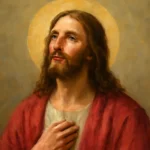
Halo: indicates sanctity; the halo may bear inscriptions or have a stylized appearance that shifts with tradition.
Hand gestures: blessing, prayer, or orant (hands raised in supplication) postures convey spiritual dispositions.
Instruments and symbols: each saint often holds items associated with their life or martyrdom (e.g., keys for Saint Peter, a martyr’s palm frond, scales for Saint Faith or Saint Mary Magdalene, a sword for Saint Sebastian).
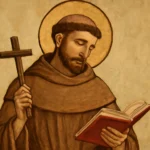
Attributes and dress: the clothing and accessories can signal rank (bishop, martyr, virgin) or geography (Mary’s robes, St. Francis’s cords, St. George’s armor).
Scenes and narratives: some images show the saint within a miracle, vision, or legend—helpful for identification and devotional context.
In Western saintly art, attributes often appear in altarpieces and fresco cycles, where multiple saints appear together with the narrative frame. In Eastern iconography, the iconographic program tends to be more standardized, with strict conventions governing the composition, color palette, and placement of figures in relation to Christ or the Theotokos (Virgin Mary).
Materials, technique, and the makes of sacred art
The physical form of holy figure artwork is shaped by its materials and technique. From carved wood and gilded surfaces to tempera on panel and, later, oil on canvas, the medium imprints a particular character on the image. Icon writing (the traditional creation of icons) in Orthodox contexts emphasizes a spiritual discipline as well as a technical procedure.
Tempera on panel: a classic medium for early Christian and medieval icons and paintings, valued for brightness and durability.
Fresco: applied to walls and ceilings, ideal for large-scale cycles that narrate the saints’ deeds within sacred spaces.
Oil on canvas: widely used in Renaissance and later periods, allowing subtle blending of light and color to convey reverence and emotion.
Sculpture: reliefs and freestanding statues in wood, marble, or bronze illustrate the saints in tangible form to be touched and prayed with.
Gold leaf and enamel: used to create luminous halos, backgrounds, and jewelry-like detail that signal the sacred status of the figures.
The choice of medium influences not only aesthetics but also devotional function. A luminous egg-tempera panel can feel intimate and contemplative, suitable for personal prayer, while a monumental altarpiece with gold ground and dramatic lighting engages the entire nave, guiding communal worship.
The world of masterpieces of sacred art featuring saints is richly diverse. Different regions develop distinct looks, which collectors and visitors recognize in the characteristics of each school. Here are some panoramas you might encounter:
Sant and saintly icon cycles from Byzantium and Russia, where hagiographic cycles on icon boards or church walls present a dense network of holy figures in a timeless, frontal style.
Gothic and early Renaissance altarpieces depicting patrons and saints with narrative clarity, often set within architectural frames.
High Renaissance and Mannerist saints that emphasize human emotion and virtuosity of painting.
Baroque saints portrayed with theatrical chiaroscuro, dynamic movement, and dramatic settings to evoke devotion and awe.
Medieval sculpture and reliquaries that enshrine relics and celebrate the sanctity of saints through tactile forms and precious metals.
Notable modes and themes recur across these traditions: the moralized portrait of a saint, the miracle as a teaching moment, and the saint as an exemplar of virtuous life. Whether you encounter a saintly Altarpiece with Saints in a cathedral, a panel painting of a martyr in a museum, or an icon of a patron saint in a chapel, you are engaging with a centuries‑old conversation about virtue, grace, and memory.
Reading saint imagery: iconography and interpretation
Reading holy figure imagery involves more than identifying who is depicted. It means decoding how the image communicates theological truths, ethical ideals, and local pieties. Here are some guiding ideas:
Identify the saint by attributes, dress, and posture. This is the first key to understanding the painting’s message.
Note the setting and narrative context. Are miracles depicted? Is the saint shown in company with Christ, the Virgin, or other saints?
Observe the color palette and light. In Orthodox icons, gold backgrounds heighten the sense of the divine presence; in Western art, light can symbolize grace or revelation.
Consider the function of the work. Is it a devotional object for private prayer or a liturgical image for community worship?
Pay attention to inscriptions. Names, titles, and phrases grant clarity about the saint’s identity and story.
A saint figure in art is never only a face; it is a symbol with layers of meaning, drawn from scripture, legend, liturgy, and devotion. The interpretive act invites viewers to recall a model of virtue, seek intercession, or simply pause in reverent contemplation.
The role of saints in devotional spaces
Images of saints anchor many sacred spaces, from grand cathedrals to intimate chapels. They function as:
Focal points for prayer, offering a recognizable presence to direct supplication and reflection.
Educational tools, illustrating stories from Scripture, hagiographies, and liturgical calendars.
Custodians of memory, preserving the legacy of local patrons, martyrs, and theologians.
Doors to contemplation, inviting viewers to consider ethical choices exemplified by the saint’s life.
The layout of saint artwork within religious spaces often mirrors the spiritual journey: saints on the lower levels or flank panels guide the faithful toward central figures such as Christ or the Virgin, creating an implicit ladder of virtue and grace.
Conservation, ethics, and the modern world
The care of holy figure works poses unique challenges. Many saint paintings and sculptures are fragile, and the sacred content adds an ethical dimension to stewardship. Museums and churches must balance public access with conservation needs, and borrowers or collectors must respect the religious significance of these images.
Ethical considerations in collecting and display
Respect for religious significance: treat images with reverence and avoid gratuitous alterations that would compromise their meaning.
Provenance and authenticity: verify the history of a work to prevent the purchase of looted or illicitly traded religious artifacts.
Conservation ethics: collaborate with conservators to preserve original materials and techniques whenever possible, using reversible methods when restoration is necessary.
Digital ethics: when presenting high-resolution images online, provide context and avoid misrepresenting the artwork’s original purpose and audience.
Modern viewers often encounter contemporary saints’ artworks that respond to current issues—migration, conflict, illness, and social justice. These contemporary sacred images extend an ancient practice, reminding us that the representation of sanctity remains a living tradition that adapts to new contexts while preserving core devotional functions.
How to study a saint image: a practical guide
If you want to deepen your encounter with saints in art, here is a concise method you can use in museums, churches, or study groups:
: Look for attributes, inscriptions, and distinctive dress to name the saint.
: Is the saint part of a narrative scene, or is the figure presented alone in a devotional pose?
: How are the figures placed? Is there a directional gaze toward a central sacred event?
: Consider halos, colors, gestures, and objects as symbolic language rather than mere decoration.
: Place the work within its historical and religious milieu—what purpose did it serve for its original audience?
Compare variations: Look at different depictions of the same saint across periods or regions to understand evolving devotional styles.
This method helps transform a painting or sculpture into a structured encounter with sanctity, turning a visit into a guided encounter with faith, art, and history.
Saints in different traditions: a comparative glance
The representation of sanctity differs in Orthodox, Catholic, Anglican, and other Christian or interfaith contexts. Each tradition brings its distinctive conventions, yet all share the purpose of making the invisible divine or virtuous life perceivable through image.
: Emphasize functional liturgical use, standardized iconographic models, and the spiritual discipline of prayer before the icon. Saints are often depicted with frontal poses and gold backgrounds, symbolizing the heavenly realm.
: Combines narrative storytelling with symbolic iconography; saints appear within scenes of their life or martyrdom, often integrated into altarpieces that teach catechesis and inspire devotion.
: Later medieval and early modern saints’ images may emphasize moral exempla and historical memory, sometimes with more restrained or didactic presentation but still aimed at edification.
Across these traditions, the images of holy people serve as a shared language of sanctity, even as stylistic expressions diverge. The universal impulse is to make the saint present to worshippers—whether as a whisper in prayer, a focal point for devotion, or a model of virtue in daily life.
Viewing places: where you can encounter saint artwork
The best opportunities to study saint imagery come in a variety of settings. Some highlights include:
Museums with medieval, Renaissance, or Baroque collections that include saints and hagiographic scenes.
Cathedrals and churches housing altarpieces, fresco cycles, and iconostases rich with saintly imagery.
Monasteries and galleries with icon collections or devotional spaces dedicated to particular saints.
Archives and libraries with illuminated manuscripts and textual traditions that accompany imagined saints with textual hagiographies.
Online repositories offering digitized images and scholarly notes to complement in-person study.
When you visit, give yourself time to look beyond the obvious. Note how light falls on a panel, how the figure’s gaze engages the viewer, and how the surrounding space frames the saint’s life. These details reveal the intentions of the artisan and the spiritual aims of the work.
Glossary of terms related to sacred art and saintly imagery
A quick glossary can help you navigate the language of this field. Here are some essential terms you may encounter:
Icon: a sacred image, especially in Eastern Christian traditions, used in devotion and liturgy.
Halo: a luminous ring or disk around a saint’s head, signaling sanctity.
Miracle cycle: a group of scenes depicting miracles associated with a saint’s life.
Relic: a physical object connected to a saint, often housed in a reliquary.
Iconostasis: a screen or partition with icons that separates the sanctuary from the nave in Orthodox churches.
Further reading and study paths
If you wish to deepen your understanding of saint artwork, consider exploring a few curated paths:
Study a specific saint across epochs to observe how devotion to the same figure changes with style and theology.
Compare iconographic programs within a single church—note how the saints’ portraits relate to liturgical seasons and feasts.
Read primary hagiographies and liturgical texts that inform the visual program of hagiographic art.
Examine conservation notes for a saintly object to learn how restorers interpret and preserve the original materials and intention.
Use virtual galleries and high-resolution images to practice iconographic identification from home.
Conclusion: the enduring significance of saint artwork
The story of saint artwork is, in essence, a history of devotion expressed through image. From modest frescoes to radiant iconostases, from carved saints to painted miracles, these works are not merely decorative objects. They are testimonies of faith—tools for prayer, vehicles of memory, and sources of moral imagination. The study of sacred art invites us to consider how beauty and belief meet, how color and gesture become language, and how the figure of the saint continues to guide, comfort, and challenge contemporary life.
Whether you are drawn to the quiet intensity of a Byzantine icon, the narrative drama of a Renaissance altarpiece, or the intimate presence of a devotional statue, the realm of holy figure art offers a path to encounter the sacred through technique, tradition, and imagination. As you explore saintly imagery, you participate in a long conversation about virtue, grace, and human longing for transcendence.










Publicar comentario