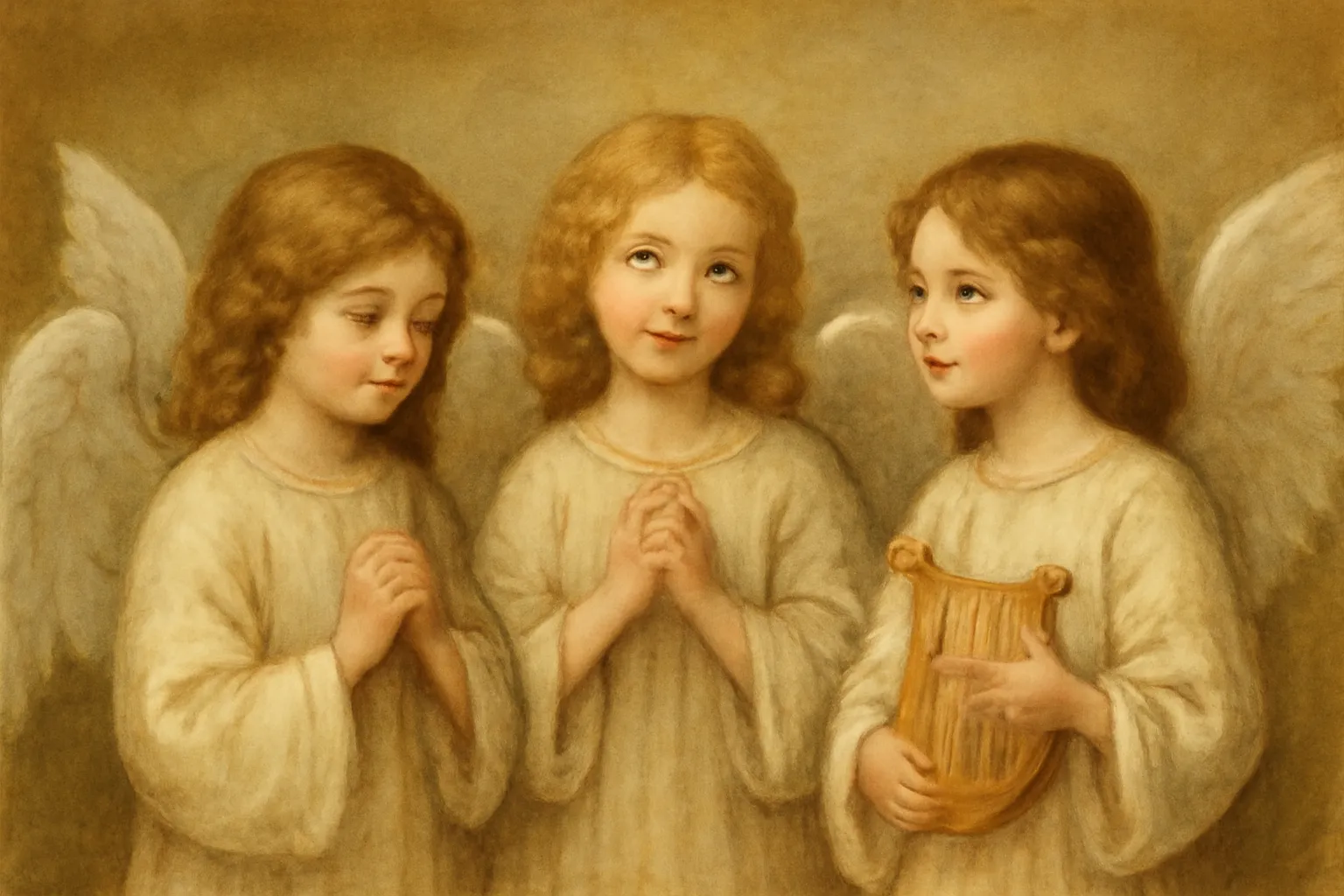
Across centuries and cultures, Christmas angels have carried messages of hope, comfort, and wonder. They appear in sacred art, on mantelpieces, and in the most intimate holiday settings as gentle reminders of the season’s deeper meanings. Whether you think of a delicate angel figurine perched on a shelf, a luminous angel ornament gracing a tree, or a painted Nativity angel in a church, these celestial beings have become a flexible, approachable symbol of goodwill. This article explores the history of these beloved figures, the meaning they carry, and a wide array of decorating ideas for the holidays that honor their legacy while inviting personal interpretation.
History of Christmas angels
Ancient roots and early Christian symbolism
The concept of angels as messengers and protectors predates Christianity, with similar beings appearing in many ancient traditions. In the Judeo-Christian tradition, however, angels are explicitly portrayed as agents through whom God communicates with humanity. The biblical narratives and early church art gradually shaped the image of angels as luminously gentle beings, often depicted with wings to signify their heavenly origin. As Christianity spread through Europe, these angelic messengers became integrated into Christmas storytelling, particularly in scenes that emphasize annunciations, guidance, and divine protection for seekers of peace during the darkest part of the year.
Medieval and Renaissance depictions
During the Medieval and Renaissance periods, artisans and theologians alike used angel motifs to convey theological ideas with visual clarity. Paintings, sculpture, and frescoes often show celestial beings as attendants of Mary and Jesus, announcing events, offering comfort to shepherds, or guiding travelers. The neighborhood churches and homes of the era adopted smaller, more accessible versions of these visions—angel carvings, illuminated manuscripts, and later, intricately carved angel figurines—as reminders that the divine is near during the Nativity season.
Modern interpretations and mass culture
In the modern era, Christmas angels have expanded beyond strictly religious settings to become universal symbols of kindness, protection, and festive light. Mass-produced angel ornaments, holiday cards, and decorative motifs appear in homes around the world. Contemporary artists and designers reinterpret traditional forms to suit varied aesthetic tastes—glittering crystalline angels for winter elegance, minimalist line drawings for modern interiors, or playful, child-friendly angel figures for family celebrations. This breadth of expression helps keep the figure relevant while preserving its fundamental message: a benevolent presence watches over the season and, by extension, over us.
Meaning and symbolism of Christmas angels
Key messages carried by angelic figures
Angels in Christmas lore convey several core ideas that resonate during the holidays:
Guidance: Angels frequently appear as guides for travelers, shepherds, and families seeking direction during the festive season.
Protection: They are protectors who guard homes, hearts, and communities against hardship.
Hope and renewal: The season of Advent and Christmas is often described as a time of renewed hope, which angels symbolize through their messages of possibility.
Divine communication: As messengers, angels connect the earthly with the sacred, reminding us that our celebrations have a larger meaning.
Peace and goodwill: A common emotional core is a wish for harmony among families, friends, and neighbors.
The imagery of angel wings—whether broad or delicate—signals transcendence, while halos and luminous auras emphasize holiness and purity. The color and material choices used in angel decorations can sharpen different associations: white and gold suggest purity and celebration, while blues and silvers evoke winter skies and quiet contemplation. The pose of the figure—hands open in blessing, hands folded in prayer, or one hand pointing toward the child in the Nativity—often communicates the intended message to viewers of all ages.
Cultural nuances and variations
Across cultures, the idea of a benevolent celestial visitor can take unique forms. In many European traditions, Nativity angels appear as part of the stable scene, while in American and British homes you may find everyday angel ornaments that emphasize familial warmth. Some traditions emphasize guardian angles whose watchful presence protects households during the winter months. Others focus on choir-like groups of angels singing carols and heralding the miraculous nature of the season. Whatever the specific depiction, the universal emotion is one of connection—between the human family and the larger, often unseen, world of meaning.
Types and representations of Christmas angels
Nativity angels and threshold messengers
The classic Nativity angel is a common centerpiece in creches and Christmas tableaux. These ethereal figures often hover above the Holy Family or stand to the side as onlookers who bear witness to the miraculous event. They function as ceiling-bound heralds that invite viewers to reflect on the miracle of birth, in addition to offering a sense of divine presence at the heart of the celebration.
Angel figurines for domestic spaces
In homes, angel figurines can range from heirloom bisque pieces to contemporary resin or glass designs. They serve as domestic symbols of blessing, protection, and seasonal joy. Collectors might curate a group that lines a mantel, a shelf, or a window, creating a quiet, luminous gallery that invites slow, contemplative viewing during winter evenings.
Ornamental angels and Christmas trees
Angel ornaments are a staple of tree decorating. They come in every size, color, and texture—from delicate porcelain to bold, oversized resin figures with metallic finishes. Some families prefer to place angels near the top of the tree as toppers, while others tuck several smaller angel ornaments among the branches to suggest a choir of celestial beings watching over the room.
Angels in art, music, and storytelling
Beyond physical objects, the motif of the angel appears in holiday music, illustrated books, and art installations. Choirs of angels sing in carols, while illustrated editions of the Nativity story reveal a long tradition of visual storytelling. In many cultures, angel motifs also appear in street decorations, church windows, and public displays, signaling a shared, transnational understanding of the season’s most hopeful messages.
Decorating ideas for the holidays with Christmas angels
Tree toppers and garlands: elevating the celestial theme
One traditional approach is to use a tree topper angel that stands majestically above the Christmas tree. If you prefer a more nuanced look, you can scatter angel garlands or create a halo effect by placing a ring of lights behind a framed angel figure. In any case, the angel motif helps unify the tree with the rest of the home’s holiday décor.
Mantels, shelves, and tabletops
For mantels and shelves, consider a display that combines angel figurines with other winter motifs—stars, pinecones, and warm-toned candles. A line of white, gold, or pale blue angels against a backdrop of greenery can evoke a serene, nocturnal atmosphere. If you prefer a more modern look, pair a minimalist resin angel with geometric winter decor to maintain a clean, contemporary aesthetic.
Centerpiece ideas include an angel centerpiece adorned with seasonal greens and citrus, or a glass cloche containing a small angel figure perched above a bed of faux snow. Use soft lighting—battery-operated candles or warm LEDs—to cast a gentle glow on the angels, enhancing their ethereal presence.
DIY angel crafts and family projects
Christmas angels invite hands-on participation. Family-friendly projects can include:
Paper angel garlands made from craft paper and translucent vellum, strung along windows or stair rails.
Fabric angels sewn from scraps and filled with stuffing, ideal for hanging on a tree or giving as gifts.
Clay or air-dry clay angels crafted with children, painted in metallic or pearlescent finishes.
Angel lanterns using mason jars and tea lights to evoke a gentle, guardian glow.
Color schemes and textures
Consider the mood you want to evoke:
Soft whites, ivories, and golds for traditional elegance.
Ivory and pale blue for a winter-night serenity.
Crystal and silver for a modern, festive sparkle.
Natural textures—wood, burlap, and greenery—paired with white angels for a rustic-chic look.
Placement strategies for a balanced display
To avoid overcrowding, think in layers. Place a primary angel centerpiece at eye level, then add smaller angel accents at varying heights. Use mirrors or glass surfaces to reflect light off the wings, enhancing the luminous effect. Consider sightlines from different rooms so that visitors can catch a glimpse of angels in multiple spaces as they move through the home.
Care, preservation, and display of angel decorations
Handling and storage tips
Delicate porcelain angels and fine glass pieces require careful handling. When packing away after the season, wrap each figure individually in acid-free tissue or bubble wrap and store in labeled boxes with dividers to prevent contact between sensitive components such as wings and halos.
Cleaning guidelines
Cleaning methods vary by material. For most angel figurines, use a soft brush or microfiber cloth to remove dust. Avoid harsh chemicals that could damage paint or gilding. For crystal or glass angels, a quick wipe with a damp cloth followed by thorough drying helps preserve their sparkle without risk of clouding.
Gold leaf accents can tarnish or wear with time. If your display includes gilded surfaces, consider a protective light layer of varnish or mounting pieces on a stable, dry shelf away from direct sunlight to minimize fading. For painted surfaces, a UV-protective display case or location away from strong sun helps maintain color integrity over the years.
Global perspectives: Christmas angels around the world
While the essential idea remains the same—hope, guardianship, and a sense of wonder—local traditions shape how angels are imagined and used in celebrations. In some European countries, for example, angels are prominent in street lights, church windows, and public nativity scenes, reflecting the communal celebration of the season. In North American homes, angels are frequently integrated into personal dioramas, table centerpieces, and Christmas trees, serving as intimate reminders that the season is both sacred and familial. In other parts of the world, local mythologies may reinterpret these beings with regional aesthetics, materials, and color palettes, yet the underlying message endures: the celestial can be a comforting presence during the longest nights of the year.
Angels in religious and secular contexts
Some households emphasize the religious significance of angels, using Nativity angels and church-approved depictions to anchor their celebrations in scripture. Other households adopt a broader, secular interpretation that emphasizes kindness, protection, and community spirit—qualities that are universal during the holidays. Regardless of belief or tradition, the imagery of wings, halos, and luminous figures often evokes a shared sense of awe that transcends cultural boundaries.
For educators and community organizers, Christmas angels can serve as a gentle conduit for teaching about art history, religious symbolism, and cultural diversity. Museum curators might highlight angel iconography in windows and grotto displays, while libraries and schools could host workshops that explore the craft of making angel crafts or the origins of carols featuring celestial choruses. This broad educational potential helps keep the tradition vibrant and accessible to new generations.
Experiential ideas: inviting angels into daily holiday life
Beyond static displays, living with the idea of Christmas angels can be a daily practice of kindness and reflection. You can cultivate a seasonal ritual that honors these beings through acts of service, storytelling, or shared meals. Here are some practical ideas:
Angel blessing jars: small notes with blessings or kind messages placed on the tree or around the home for family members to discover during the season.
Family storytelling nights featuring stories about angels in literature and art, encouraging children to draw their own interpretations.
Community angel drives: adopt-and-donate programs for those in need, framed as a modern extension of the guardian-angel ethos.
By merging the aesthetic with action, the idea of the celestial guardian becomes a living, breathing part of holiday life rather than a purely decorative symbol.
Educational activities for children
In homes and classrooms, creative activities can help children connect with the idea of angels in meaningful ways. Suggestions include:
Story crafting: children write short stories about an angel visiting during the holidays, exploring themes of courage, generosity, or forgiveness.
Art projects: painting a winter scene with an angel at the center or making mixed-media angel collages using recyclable materials.
Caroling with purpose: organizing a small neighborhood caroling event with a note explaining the symbolism of angels and their messages of peace.
Conclusion: keeping the spirit of Christmas angels alive
From ancient angelic messengers to contemporary holiday decorations, Christmas angels have served as a bridge between the sacred and the everyday. They invite us to pause amid the bustle of the season and consider themes of hope, protection, and communal joy. Whether you favor a traditional tableau of Nativity angels or a contemporary display of sleek angel ornaments, the enduring appeal lies in the sense that light enters the home through a small gesture—an ornament, a song, a gesture of kindness—that echoes the larger, universal message of the season.
By exploring the history and meaning of these celestial figures, you can craft a decorating plan that respects tradition while reflecting your personal taste. Whether your approach is reverent, whimsical, or minimalist, the figure of the Christmas angel remains a powerful emblem: an invitation to look upward, to care for one another, and to celebrate the light that arrives with winter and with Christmas fecundity.
If you are compiling a comprehensive display for the holidays, consider how your space might incorporate multiple forms of the angel motif. A carefully curated collection—combining Nativity angels, everyday angel figurines, and a handful of angel ornaments—can create a cohesive, meaningful environment that honors history and welcomes family and visitors alike.








Publicar comentario