Bible Artwork: Explore Inspiring Bible Art and Masterpieces
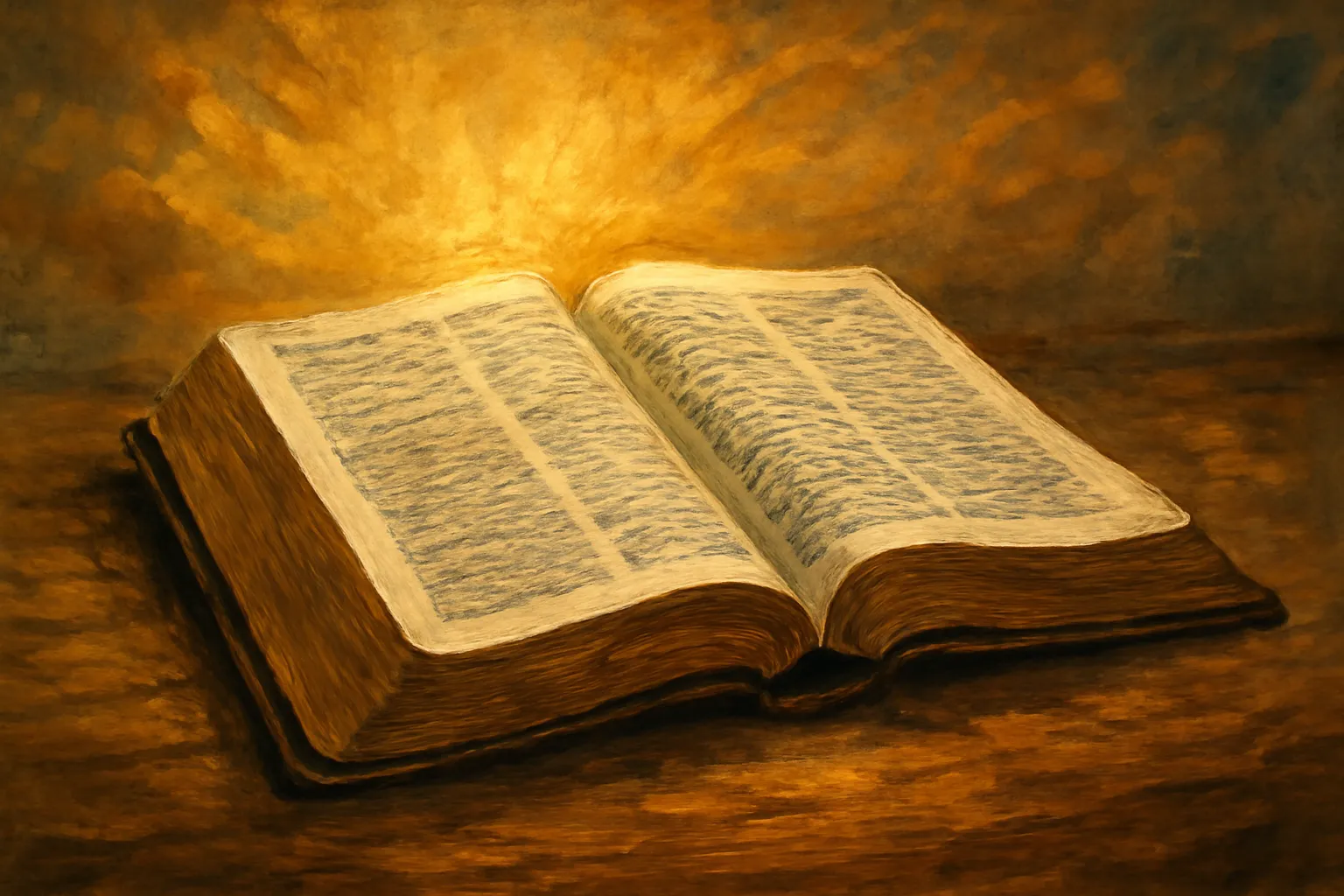
The world of bible artwork opens a doorway into centuries of faith, imagination, and cultural exchange. From the glow of medieval manuscript illumination to the monumental ceiling paintings of the Renaissance, biblical art has served as a visual sermon, a devotional aid, and a historical document rolled into a single image. In this article, we embark on a guided tour of scriptural art, exploring its origins, its evolving languages of imagery, and its most enduring masterpieces. Whether you are a scholar, a student of art history, or a curious reader, you will discover how biblical-themed paintings and other forms of biblical art communicate complex narratives, sacred meanings, and the humanity of those who created them.
What is Bible Artwork?
Bible artwork is a broad umbrella that covers any visual creation inspired by the narratives, doctrines, and themes of the Bible. It includes a range of media, from the delicate strokes of illuminated manuscripts to the sweeping drama of large-scale murals. At its core, biblical art aims to interpret and communicate scripture, offering viewers a way to engage with sacred stories beyond the pages of a text.
Common forms within the broader category include biblical illustration, iconography (especially in Eastern Christian traditions), mythic cycles and retellings, and thematic suites that pair scenes from the Old Testament with their New Testament fulfillment. In many periods, artists used narrative sequence—a storyboard-like progression of scenes—to guide the viewer through a story, while in other contexts they employed symbolic imagery that invites contemplation and interpretation.
Iconography as a language of symbols: birds, ladders, trees, lambs, doves, scales, and arches often carry layered meanings.
Narrative clarity in select works: some painters foreground a single moment to crystallize a larger story.
Liturgical context shaping form: frescoes in a chapel or illuminations in a monastic script often respond to ritual use.
Iconic typology linking old and new covenants through parallel scenes and prefigurations.
Historical Panorama: The Evolution of Biblical Art
Early Christian and Byzantine Traditions
In the earliest centuries of the Christian tradition, bible artwork often took the form of public worship spaces and manuscripts. Icon painting and mosaic decoration in churches conveyed scriptural narratives in a language accessible to communities with diverse languages and literacy levels. The imagery tended toward stylization and symbolic vocabulary—hieratic faces, frontal poses, and a strong emphasis on theological meanings rather than strict naturalism.
In this period, the power of biblical iconography lay in its ability to instruct the faithful and reinforce doctrinal positions. Scenes such as Christ in Majesty, the Passion cycles, and the Virgin with Child appear consistently, often surrounded by symbolic beasts or mandorla (an almond-shaped radiance) that signal sacred presence. The discipline of illumination—handwritten manuscripts with painted initials and decorative borders—transformed biblical storytelling into portable, precious objects.
Medieval and Gothic Innovations
The medieval period broadened the reach of biblical art through monumental sculpture, stained glass, and altarpiece programs. In cathedrals and monasteries across Europe, artisans translated scripture into a visual catechism that could be read by laypeople as they moved through sacred spaces. Stained glass cycles turned windows into luminous “books,” while altarpieces presented carefully curated narrative sequences that guided devotion around the liturgy.
A defining feature of this era is the integration of narrative clarity with spatial drama. Figures become part of a composed tableau that invites the viewer to consider moral choices, divine mercy, and the fulfillment of prophecy. The medieval mind often linked earthly life with heavenly realities, and biblical scenes served to remind congregants of their place in a larger cosmic drama.
The Renaissance brought a renewed interest in naturalism, perspective, and human emotion to scriptural art. Artists sought to render sacred scenes with the appearance of everyday life, while still carrying theological meaning. The revival of classical ideals—proportion, anatomy, light, and shadow—allowed biblical narratives to unfold with new emotional resonance.
Iconic works from this era often engage the viewer in direct, intimate encounters with biblical figures. The Last Supper and the Nativity are treated as moments of psychological depth, with gestures and gazes that reveal inner dialogue and divine intention. In this period, bible artwork becomes a bridge between faith and reason, between spiritual mystery and empirical observation.
Baroque to Romantic and Modern Interpretations
In the Baroque era, biblical paintings frequently embraced dramatic contrast, dynamic movement, and theatrical lighting to heighten spiritual experience. The goal was to evoke reverence and awe, encouraging viewers to encounter the sacred as a living force in the world. Later, Romantic and modern painters explored more personal, often ambiguous, encounters with scripture, exploring doubt, longing, and social conscience.
This broad sweep shows how biblical art remains a living, evolving conversation. Contemporary artists continue to reinterpret biblical themes, using new media and cross-cultural perspectives to explore justice, mercy, and the human search for meaning.
Contemporary Scripture-inspired Expression
Today’s bible artwork spans painting, sculpture, digital media, photography, and installation. Many artists foreground questions about how sacred texts speak to modern life, addressing topics such as migration, reconciliation, ecological stewardship, and interfaith dialogue. This diverse milieu demonstrates that the Bible continues to inspire new biblical masterpieces that challenge, comfort, and provoke.
As you explore contemporary biblical art, you may notice a shift toward interpretive openness. Some works foreground voices of marginalized communities, while others reframe biblical episodes from unconventional angles. The result is a broader, more inclusive conversation about how sacred narratives resonate in today’s pluralistic world.
Mediums, Techniques, and Materials in Bible Art
The material choices of artists shape how a sacred image communicates. From the tactile surfaces of medieval manuscripts to the monumental planes of ceiling frescoes, biblical artwork employs a rich palette of techniques that reflect both tradition and experimentation.
Fresco: Painting on wet plaster is a classic technique for large church ceilings and walls. The chemical bond between lime plaster and pigment creates luminous color that endures for centuries, often used to narrate biblical cycles across chapels and cathedrals.
Tempera on panel: A durable, fast-drying method that allowed fine details and crisp line work, favored by early Renaissance painters for devotional panels and altarpieces featuring intimate biblical scenes.
Oil on canvas or panel: Versatile and expressive, oil painting enables subtle gradations of light and shadow, ideal for conveying character, mood, and dramatic narrative within scriptural episodes.
Icon painting: Especially in Eastern Christian contexts, egg tempera and gold leaf on wooden panels create a timeless, radiant style that emphasizes timeless truth over naturalistic likeness.
Illumination in manuscripts: Handwritten texts decorated with gold, vibrant pigments, and ornate initials transform scripture into a portable meditation book for monks and scholars.
Woodcut and printmaking: Reproducible images that spread biblical scenes across regions and languages, contributing to popular devotion and religious education.
Drawing and sketching: Quick studies and final compositions alike reveal the artist’s process of interpreting scripture before committing to a final large-scale work.
Mixed media and installation: Contemporary artists blend paint, sculpture, and digital elements to create immersive biblical tableaux or interactive experiences rooted in scripture.
Iconography and Narrative: Reading the Visual Language of Scripture
A key skill in engaging with bible artwork is the ability to read its iconography and narrative devices. Across periods and cultures, artists rely on shared symbolic repertoires to convey meaning efficiently to viewers who may or may not be literate in the language of the Bible.
Symbolic motifs such as doves (the Holy Spirit), lambs (Christ or innocent sacrifice), keys (St. Peter and the Church), planks and boats (salvation, voyage of faith), and arches or doors (entrance into the sacred) recur in many biblical scenes.
Gestures and gazes communicate emotion and intention. A raised hand can signify blessing; a downward gaze may indicate humility or sorrow; a gaze toward heaven often signals transcendence.
Typology in art links Old Testament figures and events to their New Testament fulfillment. For example, Jonah’s three days in the fish can prefigure Christ’s three days in the tomb, and the sacrifice of Isaac can foreshadow the sacrifice of Jesus.
Color symbolism plays a strong role: blue for heaven and truth, red for martyrdom or divine love, gold for divine light, and black for mourning or fallen humanity.
Composition and architecture guide the viewer’s path through the story. Centrality, the use of perspective, and the direction of lines all help emphasize crucial moments in a biblical narrative.
When studying a work, consider not only what is depicted but also what is intentionally silenced or omitted. The absence of a figure, the choice of perspective, or the scale of the painting can reveal a particular theological emphasis or a commission’s purpose.
Spotlight on Masterpieces: Notable Works Across Time
The pantheon of biblical masterpieces spans continents and centuries. Below is a curated selection of famous works that illustrate how scriptural art has been used to teach, worship, question, and inspire.
Michelangelo, The Creation of Adam (Sistine Chapel ceiling, c. 1512) – A monumental moment in artistic and theological imagination, this panel captures the instant of life breathed into Adam. The composition is defined by powerful torsos, dynamic energy, and the sense that divine life moves through human hands. It remains a high-water mark for how bible artwork can fuse naturalism with spiritual awe.
Leonardo da Vinci, The Last Supper (c. 1495–1498) – This narrative mural presents Jesus with his disciples at a moment of dramatic revelation. Leonardo’s use of perspective, balance, and psychological expression invites viewers to consider fidelity, betrayal, and faith in the face of impending trial.
Raphael, The School of Athens (though not biblical in subject, it embodies the Renaissance approach to sacred learning and includes figures from biblical tradition in a larger, philosophical context; use this as a springboard to discuss how later artists integrated scripture into humanist ideals).
Caravaggio, The Calling of Saint Matthew (c. 1599–1600) – A quintessential Baroque moment that uses tenebrism (dramatic light) to reveal the moment of vocation. The everyday setting and ordinary figures remind viewers that divine encounter occurs in ordinary life.
Fra Angelico, Annunciation (c. 1430–1435) – A devotional gem from the Early Renaissance, where serene balance, pale color, and gilded detail create a contemplative space for the moment when the divine message enters Mary’s life.
Giotto, Lamentation (Arena Chapel, Padua, c. 1305) – A masterful narrative fresco that renders grief, community, and sacred time with emotional clarity and three-dimensional presence before the viewer.
Botticelli, Mystic Nativity (c. 1500) – A complex, dreamlike composition that weaves prophetic imagery and Christ’s birth into a broader mystical vision, illustrating how Renaissance painters reimagined biblical scenes as allegories of spiritual awakening.
Rembrandt, The Return of the Prodigal Son (c. 1669) – A profoundly human portrayal of mercy, repentance, and paternal love, amplified by Rembrandt’s masterful use of chiaroscuro and texture to render inner life.
El Greco, The Vision of Saint John (early 17th century) – A late-Renaissance/early-Baroque example of expressive form and visionary light, showing how biblical revelation can be rendered as a transcendent experience.
Each of these works demonstrates distinct artistic concerns—technical mastery, devotional function, and theological messaging—while sharing a common aim: to make scripture legible, emotionally potent, and spiritually inviting to viewers across generations.
Engaging with Bible Art Today: Museums, Churches, and Personal Practice
Encountering biblical artwork in person offers a different kind of engagement than viewing reproductions. The scale, texture, and light of an original work invite you to read it with your whole senses. Here are practical ways to deepen your experience.
Study the context: Learn about the commission, patronage, and historical moment that produced a piece. Who funded it? What theological disputes or liturgical needs did it address?
Observe the technique: Consider how the medium—fresco, panel, canvas, or illuminated manuscript—shapes color, depth, and durability. How does the technique influence the emotional tone?
Read the iconography: Identify recurring symbols and motifs. Ask what each symbol communicates about the narrative and its spiritual message.
Consider the audience and space: A work in a chapel or church is often placed to illuminate a particular liturgy or prayer intention. Think about how spatial setting affects your interpretation.
Contemplate the emotional arc: What moment in the biblical story is chosen, and what happens before or after that moment? How does the artist guide your empathy for the figures?
Compare versions across periods: If you can, compare a single biblical episode depicted in different periods. Notice how style, color, and composition shift the message while keeping the core narrative intact.
Respect spiritual significance: When visiting religious spaces, approach works with reverence, and be mindful of the practices (prayers, lighting candles, observing silence) that accompany them.
For educators, curators, and students, biblical art education can blend textual study with visual analysis. Guided tours, thematic itineraries, and cross-disciplinary approaches (art history, theology, literature) can enrich understanding and appreciation of scriptural art.
How to Analyze a Work of Bible Art: A Quick Guide
Identify the scene and its biblical source. Note which book, chapter, and verse the artist has in mind.
Assess the setting: Is the scene set in a specific location (e.g., a Galilean home, a heavenly court, or a wilderness) or is it a generalized stage?
Look for characters and expressions: Who is present? What are their gestures, expressions, and interactions telling you?
Notice the use of light: Is light symbolic (divine illumination, grace) or purely naturalistic? How does light guide your focus?
Decode symbols: Hand gestures, color choices, animals, and architectural features may carry layered meanings.
Consider audience impact: What emotion or reflection does the work provoke? What questions might it raise for a modern viewer?
By combining textual literacy with visual literacy, you can unlock deeper layers of meaning in biblical art, turning a viewing into a reflective encounter with faith, history, and culture.
Conclusion: The Living Tradition of Bible Artwork
Across centuries and civilizations, bible artwork has remained a dynamic, collaborative conversation among artists, patrons, clergy, and viewers. The biblical tradition does not stand still; it evolves with each generation’s questions, worries, and hopes. From the intimate pages of illuminated manuscripts to the soaring heights of ceiling frescoes, from the quiet dignity of an altarpiece to the bold improvisations of modern installation, the repertoire of biblical-themed art continues to invite contemplation, dialogue, and wonder.
If you embark on a personal study of scriptural art, you may find that the images illuminate scripture in new ways and deepen your sense of connection to communities and eras beyond your own. The masterpieces discussed here are more than historical artifacts; they are living testimonies to the enduring power of faith expressed through the language of color, form, and light. Whether you approach these works with scholarly curiosity, devotional intention, or simple curiosity, you participate in a centuries-long conversation about what the Bible means in image, memory, and daily life.







Publicar comentario